
What to know:
- XRP ETF hits $500M as institutional demand accelerates rapidly.
- Teucrium CEO highlights XRP utility amid evolving regulatory landscape discussions.
- Instant settlement narrative strengthens XRP case in modern financial systems.
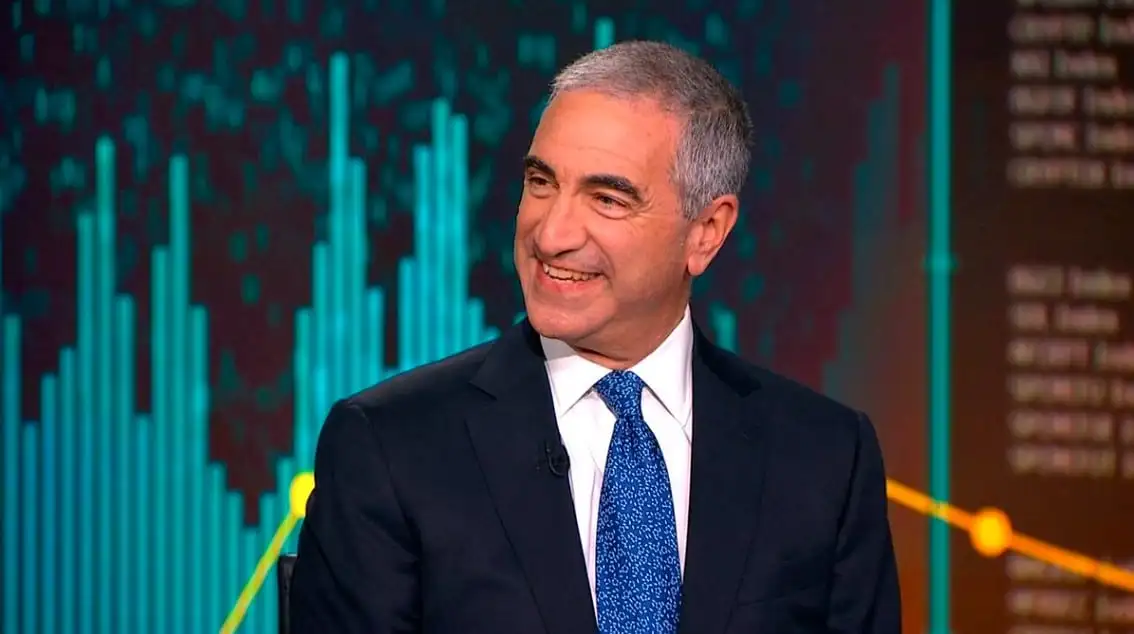
Institutional attention around XRP has intensified as strong ETF inflows combine with growing discussions around regulation and financial infrastructure. In a recent interview with CoinDesk, Teucrium ETFs CEO Sal Gilbertie outlined how investor demand, utility, and regulatory clarity are shaping XRP’s position in the evolving financial system.
According to Gilbertie, Teucrium’s XRP ETF raised over $500 million within 12 weeks, a pace he described as exceptional for a product that does not hold physical XRP but instead offers derivative exposure. He noted that such rapid inflows highlight strong market conviction, especially given the structure of the fund.
Moreover, he emphasized that demand exceeded expectations, pointing to the XRP community as a major driver of engagement. He described the community as highly active and willing to support XRP-related initiatives, which contributed to sustained investor participation throughout the ETF’s early phase.
Also Read: Binance Moves Into Prediction Markets as Exchange Competition Intensifies
XRP Utility and Settlement Speed Take Center Stage
Beyond investment demand, Gilbertie made a strong case for XRP’s role in modern finance, explaining that traditional systems remain slow due to T+1 settlement structures. He stated that these delays create inefficiencies that blockchain-based systems are designed to solve.
However, he pointed out that the XRP Ledger enables transactions to settle within three to five seconds, offering a significant improvement in speed and operational efficiency. Consequently, he argued that instantaneous settlement is increasingly necessary in a financial system that demands faster capital movement.
Furthermore, he highlighted Ripple’s long-term focus, noting that the company has remained consistent in its mission for over a decade. He described Ripple as professional and disciplined, emphasizing that its single-minded approach strengthens its position among competing players.
Regulatory Timeline Signals Slow but Critical Progress
Meanwhile, Gilbertie addressed the regulatory landscape, explaining that clarity will not immediately transform the market even if legislation moves forward. He stated that laws and regulations operate differently, as laws are passed first and detailed rules are written afterward.
According to Gilbertie, the rulemaking process could take around 12 months, meaning the industry should not expect immediate changes. Additionally, he described regulatory clarity as helpful but not a quick solution, emphasizing that progress will unfold gradually.
Besides that, he suggested that dissatisfaction from both the traditional finance and crypto sectors may indicate that a compromise is forming. He explained that when neither side is fully satisfied, it often reflects a workable agreement in complex negotiations. Consequently, XRP’s current trajectory reflects a combination of strong ETF demand, clear utility in payments, and a regulatory process that is moving forward but requires time to fully develop.
The rapid $500 million inflow into XRP-linked products highlights growing institutional interest, while its ability to deliver near-instant settlement strengthens its role in financial infrastructure. Although regulatory clarity will take time to materialize, XRP remains positioned within ongoing discussions about the future of global finance.
Also Read: Former Ripple CTO Reveals Why Higher XRP Price Boosts Efficiency
