

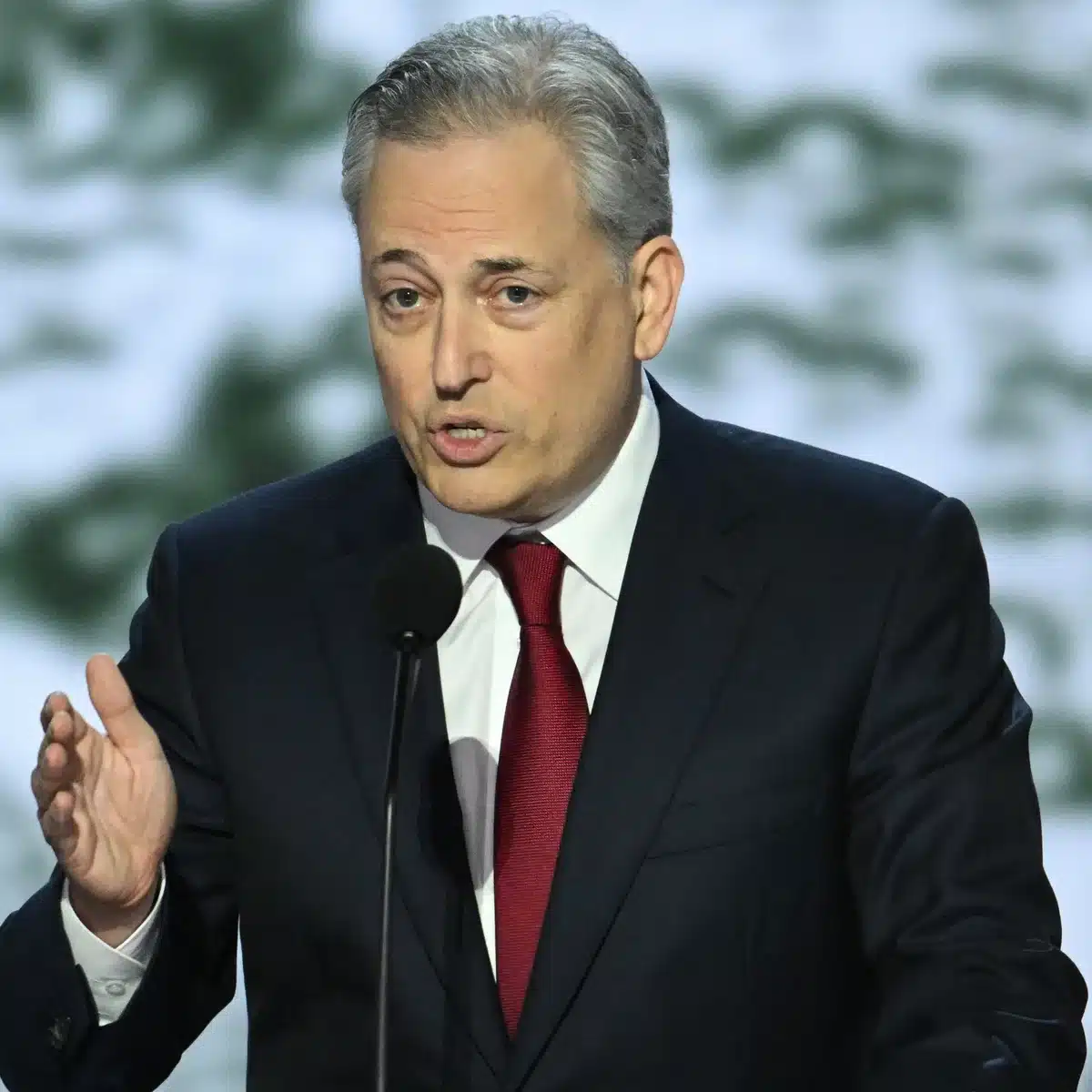
- Sacks denies conflicts of interest amid New York Times investigation.
- Legal team challenges ethics claims, defending Sacks’ government role.
- NYT investigation sparks debate over tech ties in government.
David Sacks has publicly refuted a recent investigation by The New York Times that questioned his conduct during his tenure as the White House AI and crypto czar. The piece, titled “Silicon Valley’s Man in the White House Is Benefiting Himself and His Friends,” alleges that Sacks leveraged his government role to advance policies that could benefit his tech investments.
The report also highlighted his connections to the technology sector, especially in relation to AI and cryptocurrency. Sacks, in a statement posted on X, dismissed the article as misleading and claimed the investigation lacked credible evidence.
According to Sacks, The New York Times assigned five reporters over the summer to investigate potential conflicts of interest surrounding his role in the government. He claimed the paper’s repeated attempts to tie him to unethical conduct were unsuccessful. “Each time we debunked their accusations, they simply pivoted to a new theory,” Sacks wrote, adding that the process lasted for months without substantiating any claims.
Also Read: Terraform Labs Seeks $4 Billion in Damages from Jump Trading Over Collapse
The article’s central accusation was that Sacks used his position to push policies favorable to his own investments, such as easing chip-export restrictions, promoting a large AI-chip deal with the UAE, and supporting the GENIUS Act. While a portfolio company stood to gain. Furthermore, the piece raised concerns over his remaining financial holdings, which Sacks previously stated were divested prior to the Trump administration’s arrival in office.
Legal and Ethical Defense Against Claims of Conflict of Interest
In response to the claims, Sacks enlisted the help of Clare Locke, a law firm specializing in defamation, to address what they describe as mischaracterizations in the article. The law firm sent a detailed letter to The New York Times, arguing that the accusations were unfounded. They emphasized that Sacks had followed all necessary steps outlined by the U.S. Office of Government Ethics, submitting required financial disclosures and receiving two ethics letters for his work in AI and cryptocurrency.
We're back on X.
— 36Crypto (@36Crypto1) August 21, 2026
Our previous account (36crypto2) is currently unavailable while we continue working through the appeal process. In the meantime, this is our new official account. While you are on this page, please support us by sharing and following.
Sacks further argued that the claims made by The New York Times were based on false assumptions. He denied any involvement in influencing policy to benefit specific tech companies, insisting that he had divested from relevant holdings within the required timeframes. According to his legal team, no agency or official raised concerns regarding potential conflicts of interest related to his policy positions or financial interests.
Ongoing Dispute Highlights Ethics Challenges for Government Officials with Tech Ties
The ongoing dispute highlights the tensions between public service and private business interests, especially as high-profile figures like Sacks navigate both sectors. While Sacks remains confident in his actions and compliance with ethics guidelines, The New York Times stands by its reporting, emphasizing the importance of investigating individuals in positions of power.
Sacks’s public rebuttal of the investigation has drawn attention to the complexities surrounding ethics in government, particularly for those with deep ties to the tech industry. It remains to be seen how this dispute will evolve, but for now, Sacks continues to defend his integrity and actions during his time as a White House advisor.
Trump Administration Advances Key Crypto Legislation
In another significant development, the Trump administration is making strides in pushing forward crucial cryptocurrency legislation ahead of Congress’s August recess. Bo Hines, a senior White House advisor, confirmed that the administration is finalizing two major crypto bills.
These bills will introduce new banking regulations for stablecoins and a broader regulatory framework for the digital asset market. Hines assured that behind-the-scenes efforts are ramping up to ensure that these bills meet their August deadline. Despite the ongoing political discussions surrounding crypto policy, the administration remains committed to advancing this crucial legislation.
Also Read: Massive Gains in Crypto: Bitcoin, Ethereum, and Fasttoken Lead the Charge
