

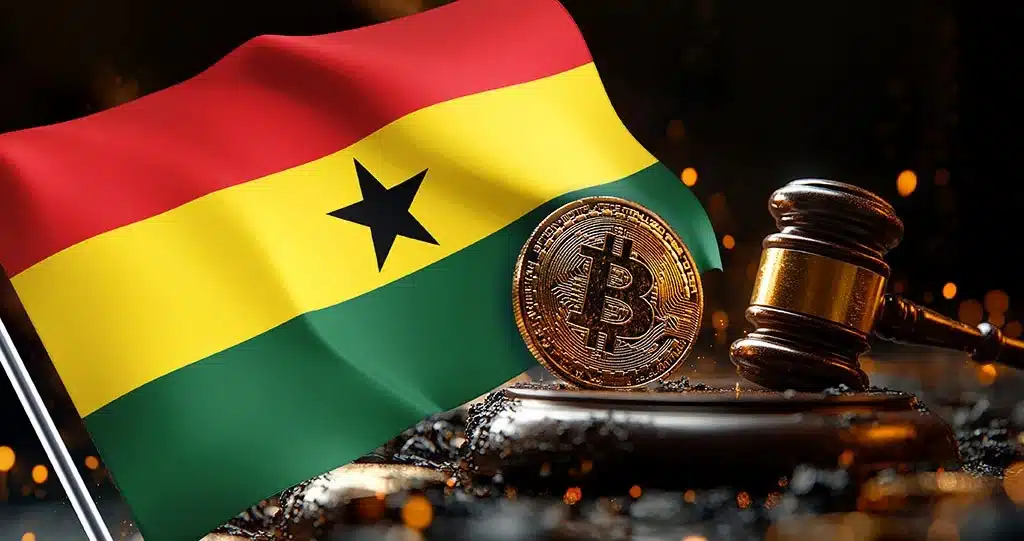
- Ghana’s new crypto law removes arrest fears and enforces structured market oversight
- $3B digital asset market enters regulatory spotlight under Bank of Ghana
- Clear rules replace uncertainty as crypto trading gains legal protection
Ghana has removed the fear of arrest from crypto trading by formally placing digital assets under regulatory oversight. The decision follows parliamentary approval of a new law that defines how crypto-related activities will operate nationwide. The move replaces uncertainty with structure and offers legal clarity to users and service providers.
Through the new framework, digital asset businesses must now register with recognized regulators. Responsibility will depend on the type of service offered. Payment and settlement activities will fall under the Bank of Ghana. Meanwhile, investment and market-based services will be supervised by the Securities and Exchange Commission. This separation aims to address risks without disrupting innovation.
According to Bank of Ghana Governor Johnson Asiama, the law focuses on regulation rather than punishment. He explained that the framework ensures accountability while supporting responsible participation. Additionally, he noted that crypto users will not face arrest simply for trading. According to GhanaWeb, Asiama said the law manages risk instead of criminalizing activity.
The assurance comes as crypto usage continues to grow across the country. Estimates from Accra-based Web3 Africa Group show about $3 billion in crypto transactions. The figure covers activity recorded between July 2023 and June 2024. Moreover, the firm estimates that roughly 17% of adults use digital assets. These figures highlight why enforcement through arrest had become impractical.
Also Read: XRP Sentiment Flips Negative, But There Is a Bullish Catch – Here’s What You Should Know
Clear rules now give regulators better visibility into a previously informal market. At the same time, users gain confidence that participation remains lawful. Consequently, the law shifts enforcement toward licensing, reporting, and compliance standards. This approach aligns financial oversight with existing usage patterns.
Regulation replaces fear as Ghana embraces supervised crypto growth
We're back on X.
— 36Crypto (@36Crypto1) August 21, 2026
Our previous account (36crypto2) is currently unavailable while we continue working through the appeal process. In the meantime, this is our new official account. While you are on this page, please support us by sharing and following.
Beyond ending arrest fears, the law supports Ghana’s broader financial objectives. Authorities plan to integrate digital assets into payments and trade systems. According to Asiama, future focus areas include payments, trade finance, and foreign exchange settlement. These sectors play a key role in cross-border commerce.
Additionally, the central bank plans targeted exploration of asset-backed digital instruments. Officials referenced gold-backed stablecoins as one possible option. Such tools could support settlement efficiency while limiting volatility. Hence, regulation creates space for cautious experimentation rather than unchecked growth.
The framework also raises expectations for operators. Firms must meet licensing requirements and follow ongoing supervision rules. Moreover, regulators expect stronger consumer protection and risk controls. This shift encourages professionalism across the sector while discouraging misuse.
According to Asiama, innovation remains welcome under the new regime. However, solutions must lower costs, expand access, and improve compliance. He stressed that risk management will guide regulatory decisions. This stance reflects lessons learned from years of informal activity.
By removing arrest fears, Ghana has changed the tone of crypto engagement. The market now operates in the open with defined responsibilities. Regulators gain oversight, while users gain protection and certainty. This balance positions Ghana as a structured participant in Africa’s growing digital asset economy.
Also Read: XRP Sentiment Flips Negative, But There Is a Bullish Catch – Here’s What You Should Know
