

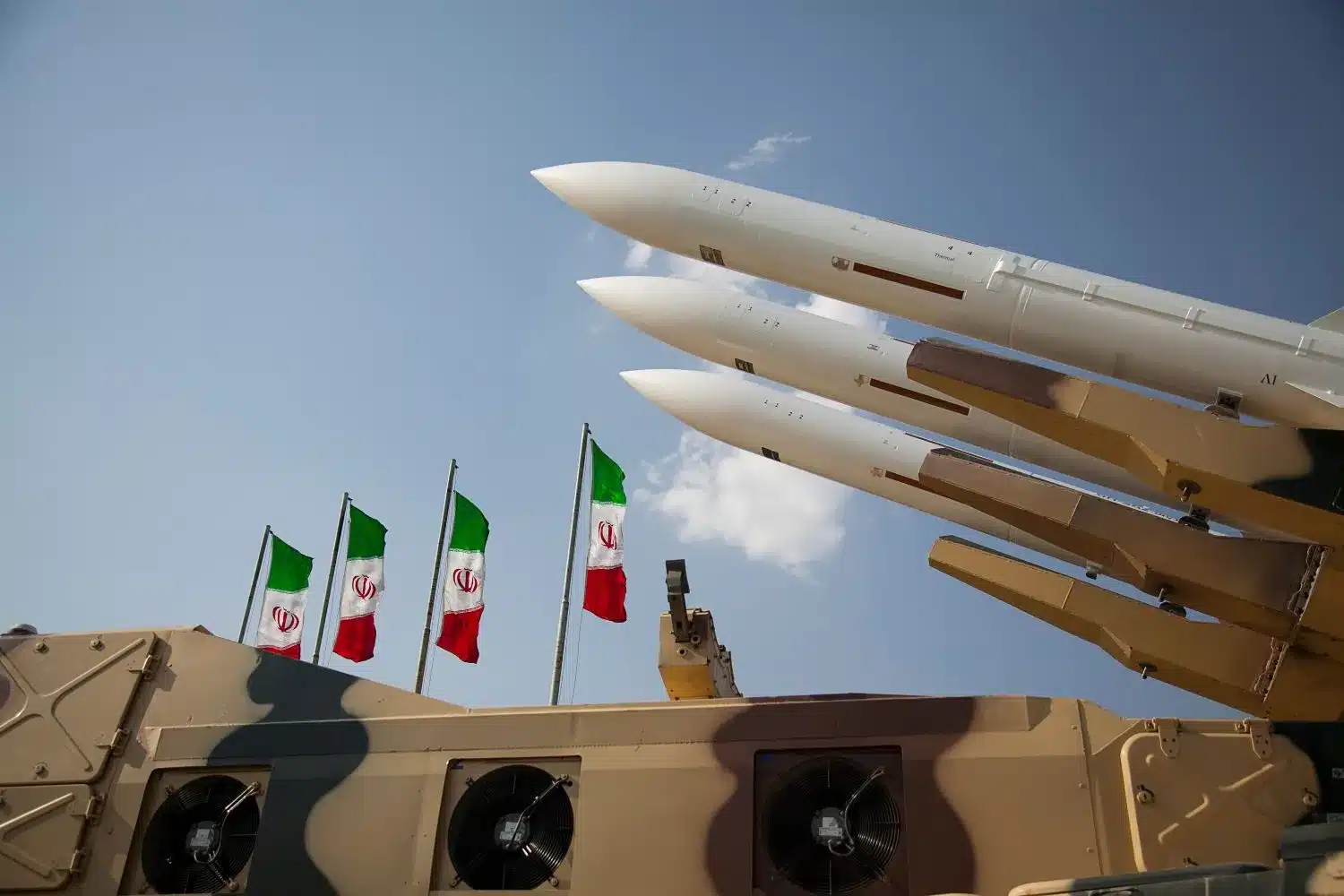
- Iran explores crypto payments for weapons exports as sanctions tighten
- Mindex signals readiness to accept digital assets for missiles, warships
- Japan plans lower crypto taxes as global digital asset adoption
Iran has indicated readiness to accept cryptocurrency payments for overseas weapons transactions. The development places digital currencies alongside barter arrangements and payments conducted using Iranian rials. The Ministry of Defence Export Center, known as Mindex, has confirmed openness to negotiating crypto-based military contracts. This payment flexibility reportedly covers missiles, warships, ammunition, rockets, and other advanced defense systems.
Introduced in 2025, the policy reflects a noticeable adjustment in how Iran structures international defense trade. It also illustrates continued efforts to sustain exports despite prolonged financial and economic restrictions.Mindex maintains defense-related commercial relationships with 35 countries across different regions. Its official website lists a wide portfolio of military products intended for foreign government buyers.,
Also Read: 500,000,000 XRP Locked Until 2028 – Why It Matters
Sanctions pressure reshapes payment options
Western sanctions continue restricting Iran’s access to global banking networks and international financial clearing systems. These measures target missile development activities, oil exports, and broader participation in regulated financial markets. As pressure intensifies, Iran has expanded reliance on nontraditional settlement mechanisms to support trade flows. Digital assets and barter exchanges have become increasingly important substitutes for conventional payment channels.
Recently, the United States sanctioned 29 shadow fleet vessels involved in covert Iranian oil transportation. Officials described these ships as part of broader efforts to evade existing enforcement mechanisms. Western authorities view such logistics and payment structures as interconnected elements of sanctions circumvention. Cryptocurrency usage has gradually gained prominence within this evolving framework.
Mindex offers assurances to international buyers
On its official platform, Mindex stated that sanctions do not obstruct execution of signed defense contracts. The agency emphasized that internal policies allow transactions to proceed without operational disruptions. It further stated that purchased military equipment would reach buyers within agreed delivery schedules.
This messaging appears intended to reassure foreign clients navigating complex payment arrangements.
We're back on X.
— 36Crypto (@36Crypto1) August 21, 2026
Our previous account (36crypto2) is currently unavailable while we continue working through the appeal process. In the meantime, this is our new official account. While you are on this page, please support us by sharing and following.
Iran has used digital assets in trade-related activities across several sectors for multiple years. Officials consider cryptocurrencies practical when access to traditional payment infrastructure remains limited. The U.S. Treasury Department previously identified two Iranian nationals linked to more than $100 million in crypto transactions. Those funds were used to support Iranian oil sales conducted between 2023 and 2025.
Japan signals softer stance on crypto taxation
Japan is preparing a major policy shift by planning reductions in taxes applied to cryptocurrency trading profits. The proposal would replace the current progressive system, which reaches up to 55%, with a flat 20% tax rate.
Officials aim to align crypto taxation with stocks and investment trusts to improve market participation. The reform seeks to make digital assets more appealing to both retail and institutional investors.
Heightened scrutiny follows crypto-linked arms trade
U.S. officials described these transactions as part of a broader financial shadow network supporting state operations. They argue such networks allow funds to move beyond conventional regulatory oversight. As a result, Iran’s openness to crypto payments for missiles and warships may trigger increased international monitoring.
Western governments continue tracking digital asset flows associated with sanctioned defense and energy activities.
Financial watchdogs also remain focused on platforms potentially facilitating restricted transactions. This oversight aims to limit alternative funding channels operating outside established compliance frameworks. The development underscores how sustained sanctions continue reshaping defense trade and international payment practices. Iran’s strategy reflects ongoing efforts to preserve export capacity under persistent external economic pressure.
Also Read: Ethereum Sees 2,523% Futures Inflow Surge as Price Holds Firm Near $3,000
