

- Japan plans crypto ETFs while prioritizing investor protection and regulatory oversight
- Major institutions prepare listings as regulators adopt a cautious approval timeline
- Global ETF growth influences Japan’s measured approach to digital asset access
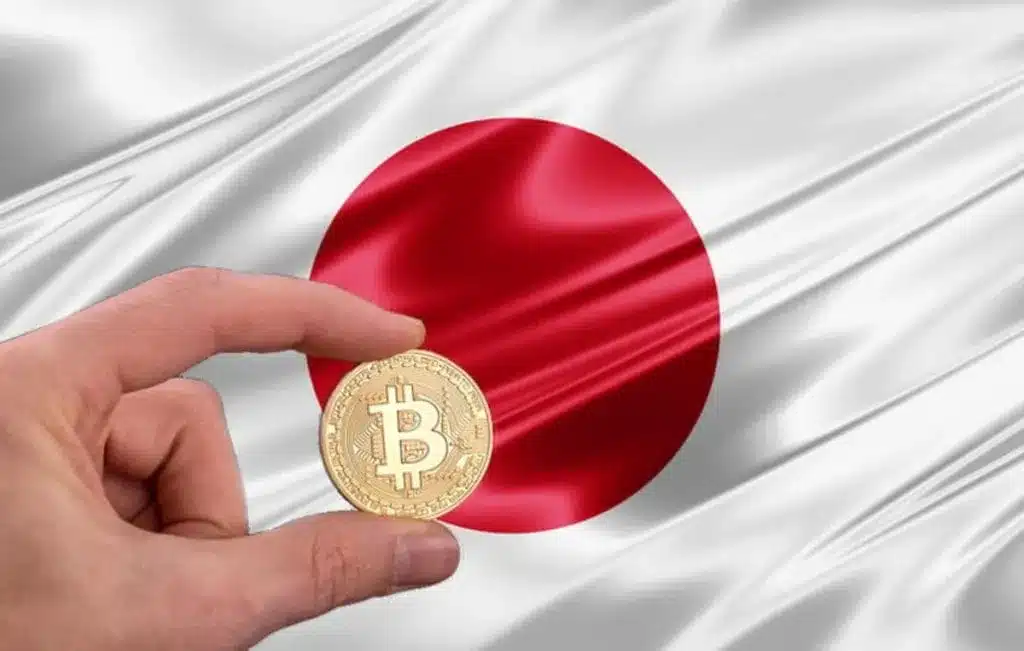
Japan is taking measured steps toward introducing cryptocurrency exchange-traded funds within its regulated markets, as regulators review plans to recognize cryptocurrencies as approved ETF base assets. This move would formally place digital assets alongside traditional securities under existing fund rules, while investor safeguards remain a central focus as authorities shape the framework.
The Financial Services Agency is expected to strengthen disclosure, custody, and risk management standards, favoring structured investment products over direct access to volatile trading venues. Consequently, the strategy reflects Japan’s long-standing emphasis on market stability and consumer protection within evolving digital asset markets.
Market participants view the approach as cautious but intentional, as crypto ETFs would offer indirect exposure while limiting operational and counterparty risks. This structure may appeal to institutions that have remained hesitant toward direct crypto holdings under current market conditions.
Also Read: Bitcoin, Ethereum, XRP Slide in 24 Hours as Small-Cap Cryptos Explode
Institutional Interest Supports Regulated Entry
Large financial institutions are already positioning themselves for potential approval, with Nomura Holdings and SBI Holdings expected to lead the first wave of crypto ETF launches. According to Nikkei Asia, both firms plan to list the products on the Tokyo Stock Exchange, signaling early confidence in a tightly regulated crypto investment model.
Despite this momentum, regulators continue to move deliberately, with approval targeted as early as 2028 to allow time to refine oversight mechanisms. Authorities are aligning ETF rules with existing financial laws, a measured pace that contrasts with faster overseas approvals while reflecting a focus on long-term market resilience over short-term growth.
Global ETF Expansion Shapes Regulatory Thinking
We're back on X.
— 36Crypto (@36Crypto1) August 21, 2026
Our previous account (36crypto2) is currently unavailable while we continue working through the appeal process. In the meantime, this is our new official account. While you are on this page, please support us by sharing and following.
Developments abroad continue to influence domestic discussions, particularly in the United States, where spot bitcoin ETFs have accumulated $115.8bn in net assets. That figure equals about 6.5% of bitcoin’s total market capitalization and reflects strong participation from pension funds and university endowments.
U.S. regulators have also streamlined the listing process for digital asset ETFs, encouraging issuers to expand beyond bitcoin and ether. As a result, spot ETFs tied to XRP, Solana, Dogecoin, Chainlink, Litecoin, and Hedera entered the market in late 2025.
Regional Focus Extends Beyond ETFs
Elsewhere in Asia, financial centers are adopting related but distinct regulatory approaches to digital asset products, with Hong Kong launching crypto ETFs in 2024 covering bitcoin, ether, and Solana. Unlike U.S. products, these funds allow in-kind subscriptions and redemptions, providing greater flexibility for investors within a regulated structure.
Meanwhile, South Korea is advancing crypto legislation through the Digital Asset Basic Act, which is expected to support the country’s first spot crypto ETFs once finalized. Alongside ETFs, stablecoins remain a shared regulatory priority across the region, with Japan approving its first yen-pegged stablecoin last year.
At the same time, Hong Kong plans to issue initial stablecoin licenses this quarter, while South Korea aims to establish a won-based stablecoin market under upcoming rules.
Also Read: Caldera (CAL) Price Prediction 2026–2030: Can CAL Hit $0.560 Soon?
