

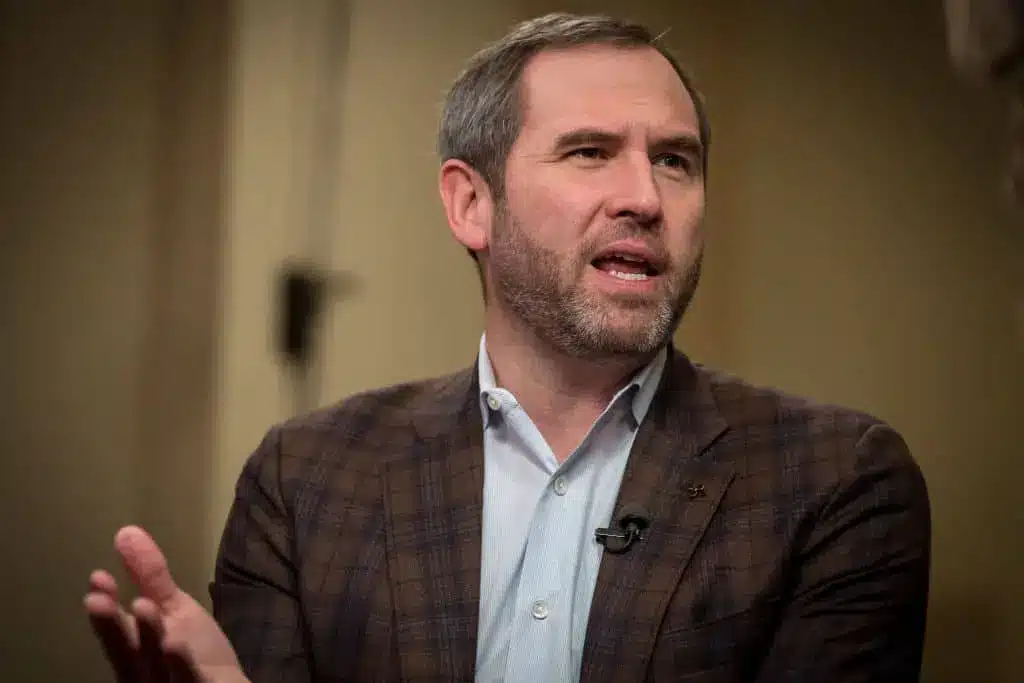
- Ripple CEO explains how clear crypto rules could reshape U.S. finance
- Senate hearing highlights Ripple’s role in pushing structured crypto regulation
- Crypto market bill gains momentum after Ripple CEO’s Senate testimony
Ripple’s engagement with U.S. lawmakers gained attention after its chief executive addressed digital asset regulation on Capitol Hill. Brad Garlinghouse used the forum to explain why the Crypto Market Structure Bill matters to the future of U.S. finance.
Appearing before the U.S. Senate Banking Committee, Garlinghouse urged lawmakers to advance the proposed legislation. According to Garlinghouse, the bill offers long-needed regulatory clarity for digital asset markets operating in the U.S.
He emphasized that unclear rules have limited adoption across traditional financial institutions. He said consistent oversight could strengthen trust among consumers, investors, and payment providers. The CEO framed regulation as an enabler rather than a constraint on innovation.
Also Read: Binance to Delist SHIB/DOGE Among Others: Details
Garlinghouse focused on practical financial use cases instead of speculative trading. He explained that defined standards would help integrate digital assets into existing financial infrastructure. He added that efficiency gains could benefit businesses and everyday users.
Regulation seen as key to U.S. financial leadership
Garlinghouse tied the bill directly to global competitiveness, warning that regulatory uncertainty has already pushed innovation toward foreign jurisdictions and weakened U.S. financial leadership. He also highlighted Ripple as a compliance-first developer, building tools aligned with existing financial laws and banking standards.
He pointed to Ripple’s scale as further evidence, noting the company employs about 900 people across more than 50 global offices, which offers exposure to mature regulatory systems. Garlinghouse said those experiences show how clear frameworks encourage responsible growth and help firms compete internationally, positioning the bill as a foundation for long-term market stability.
Legal challenges inform Ripple’s policy position
The CEO also referenced Ripple’s past regulatory disputes, noting that years of legal uncertainty affected innovation and market confidence before favorable court outcomes clarified parts of digital asset oversight. He argued that clear legislation could prevent similar disputes across the industry by reducing reliance on enforcement actions and lowering compliance costs and legal risk.
Brad Garlinghouse also outlined Ripple’s broader product portfolio, which includes cross-border payments, stablecoins, and digital asset custody services operating in active financial environments. Meanwhile, the Senate appearance attracted attention across the crypto sector, with industry observers viewing Ripple’s testimony as a sign of growing cooperation between regulators and digital asset firms.
Garlinghouse maintained that the Crypto Market Structure Bill extends beyond crypto markets, saying it could influence how value moves through the U.S. financial system while supporting sustainable financial innovation.
Also Read: XRP Has All the Conditions in Place – Here’s What Will End the Downtrend
