

- Ripple CTO Emeritus calls Bitcoin a technological dead end
- Schwartz defends XRP decentralization amid heated Bitcoin criticism
- Bitcoin innovation questioned as XRP debate intensifies
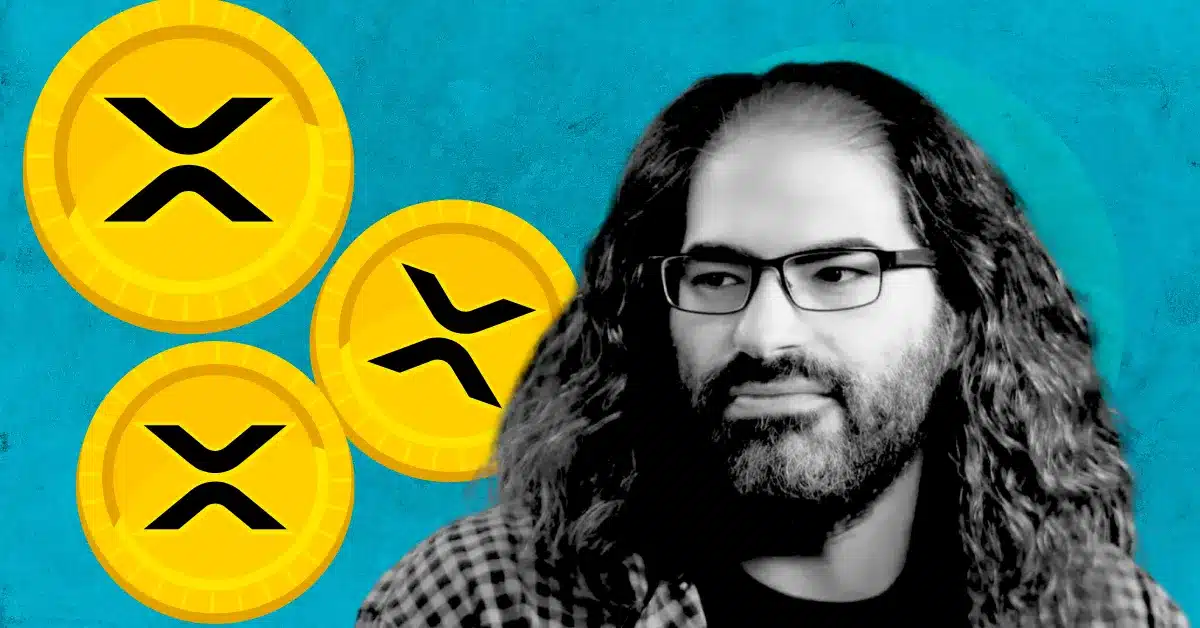
David Schwartz, Ripple’s newly appointed CTO Emeritus and co-creator of the XRP Ledger, has sparked a major debate by calling Bitcoin a “technological dead end.” According to Schwartz, Bitcoin’s success is no longer driven by technological advancements, but rather by its status as a stable store of value. This perspective challenges Bitcoin’s role as a leading cryptocurrency, suggesting that its technology has stagnated.
Schwartz argues that Bitcoin’s blockchain layer has reached a plateau, with innovation playing a smaller role in its future. He compares Bitcoin’s situation to that of the U.S. dollar, which remains valuable due to stability rather than continuous innovation. This contrast emphasizes Schwartz’s view that Bitcoin’s future will be based more on preserving its role as a store of value, rather than advancing its technology.
Bitcoin’s Stability Over Innovation
Schwartz raised concerns over Bitcoin’s proof-of-work (PoW) consensus mechanism, noting that it could lead to a security vacuum under certain conditions, such as high prices and low transaction volumes. He also referenced past incidents, like Bitcoin’s 2013 glitch, to highlight how the network required human intervention, undermining claims of its decentralized nature.
Schwartz’s decision to sell nearly all of his Bitcoin holdings at $7,500 further emphasizes his belief that Bitcoin’s value is increasingly disconnected from technological innovation, reinforcing his position that Bitcoin’s stagnation could hold back its future progress.
The Debate Over Decentralization: XRP vs. Bitcoin
A fierce debate erupted over the decentralization of the XRP Ledger (XRPL) following a public exchange between Bitcoin advocate Bram Kanstein and David Schwartz. Kanstein pointed out that XRP’s history started with “Ledger 32,570,” after a technical glitch, suggesting that this event reveals XRP as a centralized system. Schwartz strongly disagreed, defending XRP’s decentralized nature.
We're back on X.
— 36Crypto (@36Crypto1) August 21, 2026
Our previous account (36crypto2) is currently unavailable while we continue working through the appeal process. In the meantime, this is our new official account. While you are on this page, please support us by sharing and following.
He explained that the network’s handling of the XRP genesis bug—proceeding without altering any data—demonstrated decentralized inaction. Schwartz compared this to Bitcoin’s history, noting that Bitcoin had shown more centralization during key moments, such as critical protocol changes.
Schwartz’s defense of XRP highlights his belief that Bitcoin, despite its claims of decentralization, has been more centralized in practice, further underlining the differences between the two blockchains.
Also Read: Ripple CEO to XRP Army: ‘XRP Is Our Purpose’ – Here’s What Comes Next
