

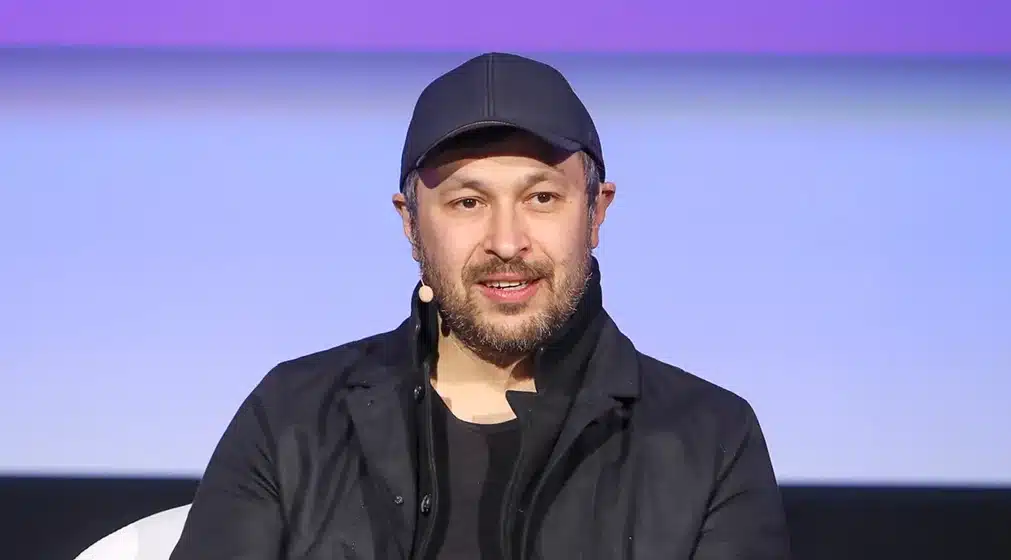
- Solana founder claims network surpasses Ethereum in decentralization
- Yakovenko references Satoshi standards in bold comparison remarks
- Debate intensifies over hardware access and validator distribution
Fresh remarks from Solana leadership have reignited debate across the crypto sector after comments comparing decentralization standards circulated widely online. According to statements shared on social media, Solana co-founder Anatoly Yakovenko claimed that Solana now stands ahead of Ethereum in distributed design and may even rival Bitcoin in its structural resilience. He referenced the decentralization principles associated with Satoshi Nakamoto while framing his comparison.
According to Yakovenko, Solana’s architecture brings it closer to Satoshi’s original decentralization vision than Ethereum’s current validator model. Moreover, he suggested that the network may have already moved beyond that threshold in practical terms. His comments quickly gained attention because Solana has historically faced criticism over outages and technical disruptions that raised questions about reliability. However, Yakovenko responded by focusing on participation mechanics rather than past downtime events.
Also Read: Nick Szabo: Early Life and Net Worth – The Vision Behind Smart Contracts and Digital Gold
Hardware Access and Stake Distribution Debate
Yakovenko emphasized that individuals can operate a Solana node using a standard laptop, pushing back against arguments that hardware requirements limit access. Additionally, he referenced light clients and non voting nodes that allow users to independently verify ledger data without maintaining industrial scale infrastructure. Consequently, he framed decentralization as a matter of open verification rather than raw validator count.
In late 2025, Yakovenko argued that decentralization does not depend solely on token distribution patterns within proof of stake systems. According to his earlier comments, any properly constructed proof-of-stake network achieves sufficient decentralization regardless of stake ownership concentration. He also stated last August that a permissionless full node enables participation across the stack without exposing users to the risk of fund seizure.
Supporters view these arguments as a structural defense of Solana’s design philosophy. Critics, however, continue to measure decentralization using uptime history, validator diversity, and governance transparency. As a result, Yakovenko’s remarks have intensified an ongoing industry debate over which blockchain currently best embodies distributed control principles.
We're back on X.
— 36Crypto (@36Crypto1) August 21, 2026
Our previous account (36crypto2) is currently unavailable while we continue working through the appeal process. In the meantime, this is our new official account. While you are on this page, please support us by sharing and following.
Also Read: SBI President Yoshitaka Kitao Backs Ripple’s 2026 XRPL Funding Overhaul
