

What to know:
- Major banks plan a tokenized deposit network with a 2027 launch target.
- Large corporations could gain faster payments and liquidity management.
- JPMorgan, BNY, and DBS advance broader tokenized deposit adoption efforts.
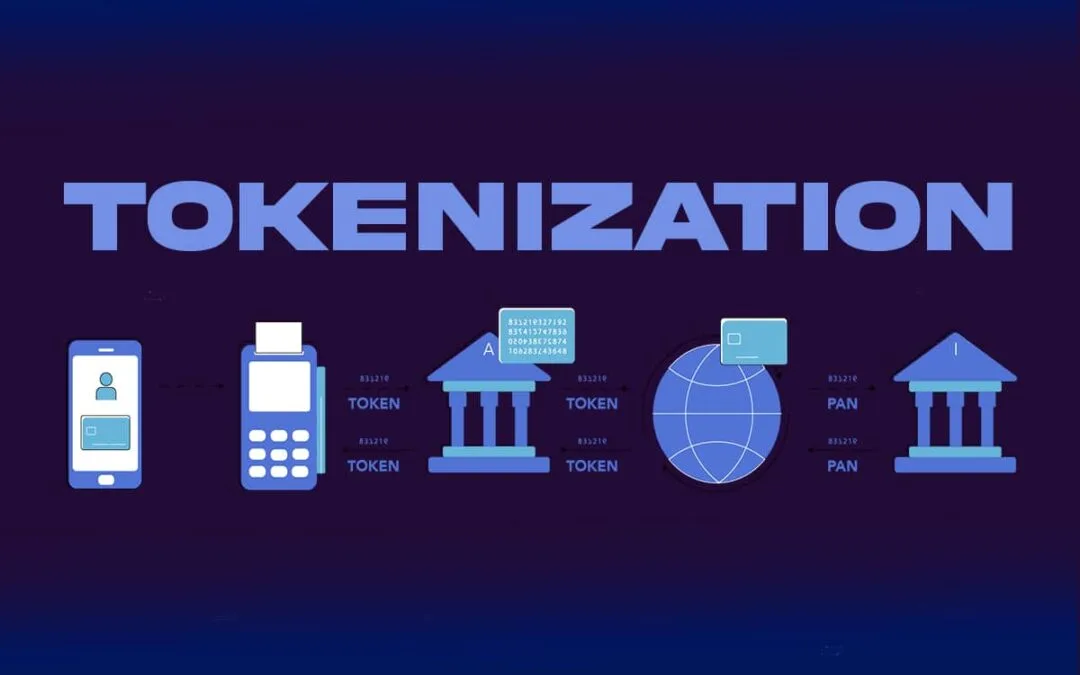
JPMorgan Chase, Bank of America, Citigroup, Wells Fargo, and several other major U.S. banks are collaborating on a tokenized deposit network expected to launch in the first half of 2027. The proposed platform would allow participating institutions to move tokenized deposits instantly while supporting continuous settlement throughout the day.
According to a report from The Wall Street Journal, the network will likely operate through the Clearing House, a private payments company owned by a consortium of leading U.S. banks. Bank executives view the project as an important step toward bringing blockchain technology into core financial operations.
Consequently, the initiative could expand the role of digital assets within regulated banking systems while improving the efficiency of payment and settlement processes.
Different institutions reportedly use different names for the project. Some refer to it as “the bridge,” while others call it “the chain.” However, the underlying objective remains consistent across participants. Banks want to create a shared infrastructure that allows tokenized deposits to move securely between institutions without relying on traditional settlement schedules.
Clearing House Chief Executive David Watson described the initiative as a major development for the banking industry. He noted that financial institutions are preparing for a future where onchain transactions become a larger part of financial services.
Also Read: Ethereum’s Entire DeFi Ecosystem Now Unlocked For XRP With Latest RLUSD Expansion: Details
Large Companies Expected to Drive Initial Adoption
We're back on X.
— 36Crypto (@36Crypto1) August 21, 2026
Our previous account (36crypto2) is currently unavailable while we continue working through the appeal process. In the meantime, this is our new official account. While you are on this page, please support us by sharing and following.
Large multinational corporations are expected to become the network’s earliest users because they frequently manage payments across multiple jurisdictions and time zones. The platform could help businesses move liquidity at any hour while improving treasury management and operational efficiency. Additionally, companies may benefit from faster cross-border transactions and more flexible cash management capabilities.
The planned network builds on several tokenization efforts launched by major financial institutions over the past year. In November 2025, JPMorgan introduced its dollar-denominated deposit token service for institutional clients on Base following an extended testing period. Meanwhile, BNY launched a tokenized deposit solution in January, giving institutional customers blockchain-based representations of deposits held at the bank.
Outside the United States, financial institutions are pursuing similar goals. DBS and Kinexys by J.P. Morgan announced plans in November to develop an interoperability framework that would facilitate tokenized deposit transfers between their blockchain ecosystems.
These developments indicate that banks increasingly view tokenized deposits as a practical tool for modernizing payment systems. Moreover, collaboration among some of the world’s largest financial institutions suggests that interest in blockchain-based settlement continues to grow within regulated markets.
Conclusion
The proposed 2027 launch would place several of America’s largest banks behind a shared blockchain-powered payment network. If implemented as planned, the platform could expand the use of tokenized deposits while supporting faster settlement, improved liquidity management, and more efficient cross-border financial operations.
Also Read: XRP’s Double Bottom Signal Has Analyst Predicting Massive $18 Breakout
