

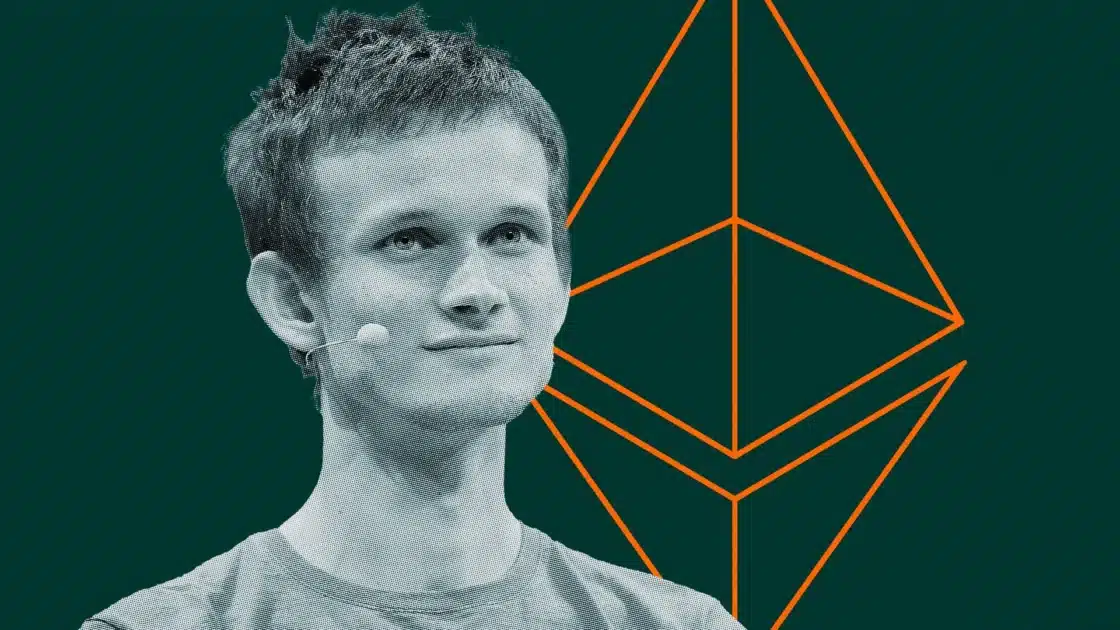
- Vitalik Buterin opposed centralized AI governance, arguing concentrated control by governments or companies could introduce new risks and reduce transparency.
- Buterin rejected both dominant AI viewpoints, urging governance models that encourage collaboration, broader participation, and accountable open-source development instead.
- Buterin supported open-source AI while remaining open to development pauses if credible evidence demonstrates significant risks from advanced systems.
Ethereum co-founder Vitalik Buterin has criticized proposals that would place artificial intelligence development under the control of a small number of governments or technology companies. According to Buterin, concentrating that level of authority could introduce new risks, making open-source governance a more balanced approach as AI capabilities advance.
The comments came in a post on X, where Buterin explained why he remains unconvinced by the two dominant viewpoints surrounding artificial intelligence. Rather than siding with either position, he argued that AI governance should prioritize openness while remaining flexible enough to respond to serious threats if they emerge.
According to Buterin, the current debate has become divided between those who expect superintelligent AI to arrive within the next two decades and those who believe existing safeguards will remain sufficient as the technology evolves. However, he said neither perspective fully addresses the broader governance challenge.
Also Read: XRP Network Activity Slumps as Active Wallets Hit Near Yearly Low Despite Growing Utility
Buterin questions competing views on AI development
According to Buterin, one group believes superintelligent AI is likely to emerge by 2040 or even earlier unless developers deliberately slow progress. Meanwhile, another group considers AI a transformative technology that society can manage without imposing major restrictions on innovation.
We're back on X.
— 36Crypto (@36Crypto1) August 21, 2026
Our previous account (36crypto2) is currently unavailable while we continue working through the appeal process. In the meantime, this is our new official account. While you are on this page, please support us by sharing and following.
However, Buterin said he is not persuaded by either argument. Instead, he believes discussions should focus on building governance structures that avoid concentrating power in the hands of a few organizations.
Moreover, he warned that allowing a limited number of AI companies or governments to decide who can develop advanced systems may create another set of problems. Such an arrangement, he argued, could reduce transparency and limit broader participation in AI research.
Consequently, Buterin expressed greater support for open-source AI development. He suggested that open models encourage collaboration, independent review, and wider access while reducing reliance on centralized decision-makers. That approach also reflects principles that have shaped decentralized blockchain networks for years.
Additionally, Buterin emphasized that supporting open-source AI does not mean ignoring potential dangers. According to his X post, he remains open to discussions about slowing or temporarily pausing AI development if credible evidence shows advanced systems pose significant risks.
His position places greater emphasis on governance than prediction. Instead of debating exactly when superintelligent AI will arrive, Buterin argued that the more pressing issue involves ensuring no single group gains excessive influence over its development.
Conclusion
Buterin’s latest remarks reinforce his long-standing support for decentralized systems beyond blockchain technology. According to his comments, AI governance should distribute authority across a broader community instead of concentrating control among governments or major technology firms, while preserving the ability to introduce safeguards if meaningful risks become apparent.
Also Read: Bitcoin ETF Selling Pressure Eases as Institutional Flows Show Signs of Recovery
