
Summary
- Vitalik Buterin tested local and remote AI models to generate personalized diet and exercise recommendations using health and travel data.
- His setup combined locally generated queries, zkAPI payments, and Tor routing to limit identity exposure across three separate privacy channels.
- Buterin reported improved recommendations but acknowledged that restricting personal information reduces the assistance remote models can provide for tailored advice.
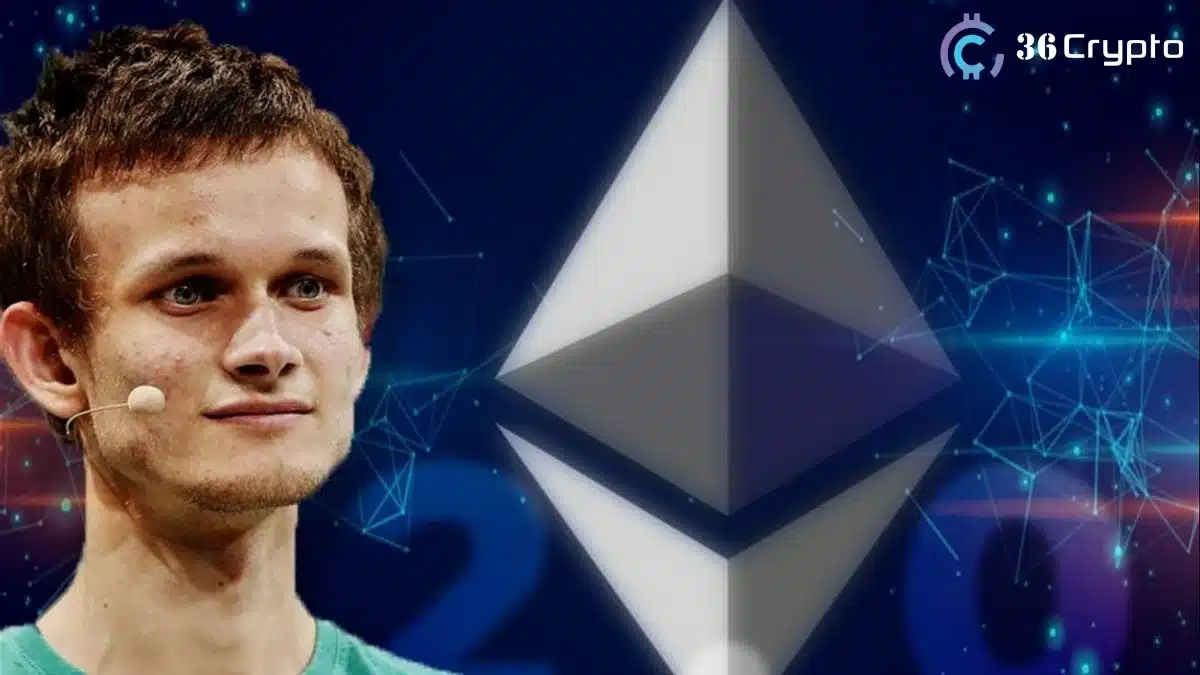
Ethereum co-creator Vitalik Buterin tested a system combining local AI, zkAPI, and Tor to generate personalized health advice with limited disclosures. His experiment used health and travel information to produce diet and exercise recommendations while restricting access to private details.
According to Buterin’s X post, a local model coordinated the process and consulted more powerful remote models through tool calls. These external models supplied additional knowledge and reasoning, which helped the local system improve the recommendations it generated.
Buterin designed the arrangement to access those capabilities without sending sensitive personal information directly to the remote models. A skill file instructed the local model when to seek outside assistance and how to construct requests revealing minimal data.
The local model also wrote the queries instead of Buterin, addressing his concern that writing patterns could expose his identity. This formed one part of a broader strategy covering information within prompts, payment records and internet connections.
Also Read: Japan Adds Garantex to Asset Freeze List in Expanded Russia Sanctions
Buterin Combines Query Controls With Payment and Network Privacy
We're back on X.
— 36Crypto (@36Crypto1) August 21, 2026
Our previous account (36crypto2) is currently unavailable while we continue working through the appeal process. In the meantime, this is our new official account. While you are on this page, please support us by sharing and following.
Beyond controlling query content, Buterin used zkAPI to prevent the payment channel from identifying him when accessing remote services. Tor supplied another layer intended to protect his network identity and internet address during those interactions with external models.
He ran zkAPI wrapped with Tor as a command-line tool, bringing payment and network protections into the same workflow. Buterin stressed that all three layers mattered because each addressed a different route through which his identity could leak.
His account reported that the experiment worked and that information from frontier models helped improve the recommendations he received. The results addressed his original goal of using advanced models to assist with personalized diet and exercise planning.
Buterin also identified limitations, including the relationship between stronger disclosure controls and the usefulness of remote assistance during his experiment. Restricting personal context gave external models less information to work with, reducing the contribution they could make to tailored recommendations.
His test returned recommendations that benefited from remote input, according to Buterin, while exposing the trade-off between privacy and assistance. The setup combined locally prepared requests, zkAPI payments, and Tor routing to address the three identity risks he outlined.
Also Read: Cheems Price Prediction 2026–2030: Can Cheems Hit $0.000001 Soon?
