
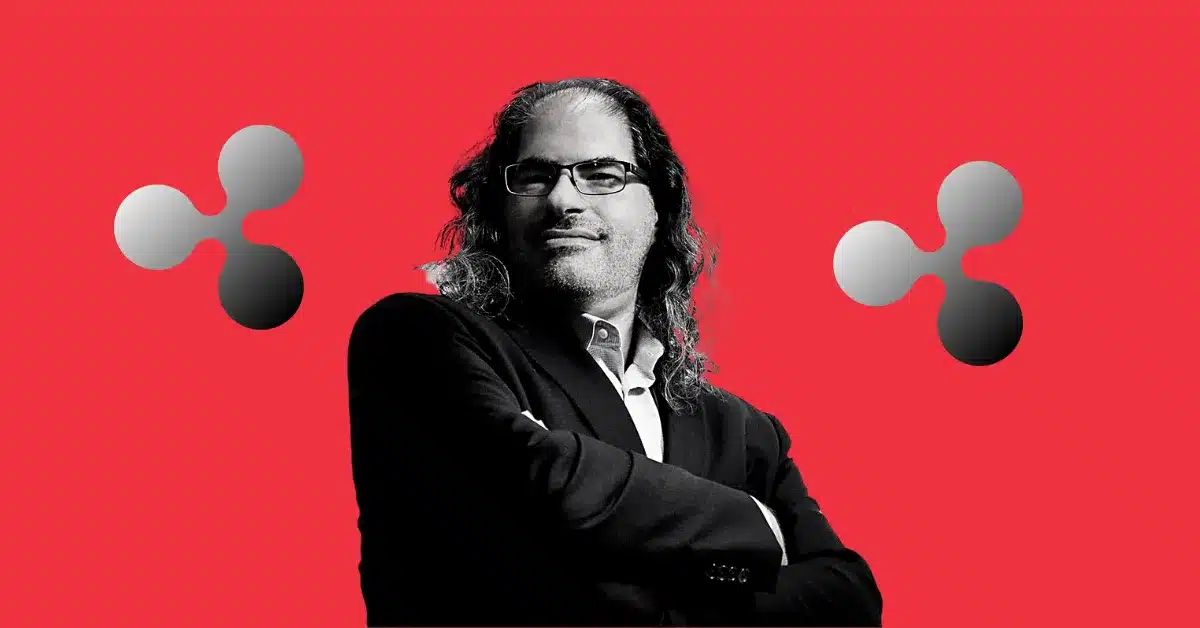
- Former Ripple CTO rejects solo venture, reinforces commitment to XRPL stability
- David Schwartz highlights network issues while maintaining focus on XRPL development
- XRP Ledger stability gains attention as former Ripple CTO stays committed
The XRP community turned its attention to David Schwartz after speculation emerged about his next move following a role transition. Discussions across social platforms suggested he might launch an independent venture. However, Schwartz quickly addressed those claims and clarified his direction.
According to Schwartz, he has no plans to build a separate startup despite stepping into an emeritus position. He dismissed the speculation in a casual tone while reinforcing his continued involvement with XRP Ledger. His response reassured developers and investors who closely follow his technical leadership within the ecosystem.
Moreover, Schwartz emphasized that his work remains centered on improving XRP Ledger rather than shifting focus elsewhere. This commitment signals continuity at a time when infrastructure reliability remains a priority. His role continues to influence both development discussions and long-term network direction.
Also Read: Analyst Says XRP to See Significant Move between April 20 and May 20 – Here’s Why
XRPL Performance Discussion Reveals Network Limitation
Meanwhile, recent data shared by Schwartz about his personal XRPL node triggered deeper technical conversations. The dataset covered a 14-day period and highlighted unusual behavior within the network. Developers began examining how certain performance conditions could expose limitations in the system.
Interestingly, Schwartz pointed out a rare issue tied to extremely fast communication between servers. When two nodes operate within the same data center, their efficiency may appear abnormal. Consequently, the network’s protection mechanism can misinterpret this speed as a potential DDoS attack.
As a result, the system may terminate connections between highly synchronized servers despite normal operation. This scenario reveals a trade-off between performance and security assumptions embedded in the protocol. Additionally, the discussion brought renewed attention to how the rippled code handles edge cases.
Furthermore, Schwartz’s involvement in this debate highlights his continued influence over XRP Ledger’s technical evolution. Although his title has changed, his role in addressing challenges remains active. He continues to guide improvements that aim to strengthen stability and efficiency.
Continued Commitment Supports XRPL Stability
At the same time, broader market conditions for XRP have become more stable. Regulatory uncertainty that once dominated discussions has largely eased. Consequently, focus has shifted toward network performance and long-term adoption.
Importantly, Schwartz’s decision not to launch a separate project avoids fragmentation within the ecosystem. A competing initiative could have divided resources and slowed progress. Instead, his continued focus supports cohesion and sustained development.
Schwartz’s stance reinforces confidence in XRP Ledger’s leadership continuity. His decision aligns with efforts to maintain stability and improve network performance. At the same time, ongoing technical discussions show that refinement remains essential as the ecosystem evolves.
Also Read: Grayscale Flags XRP Ledger and Solana as Early Leaders in Post-Quantum Shift
