

As digital commerce continues to evolve, the way consumers create value for brands is changing just as quickly. While traditional cashback and loyalty systems remain widely used, they are still largely built around a single moment in the transaction itself. GSM (Get Style Money) is entering the market with a different perspective.
Now in the final stage of its presale ahead of launch, GSM is developing a rewards ecosystem that reflects how consumers actually behave today. Instead of focusing on purchases, the platform is structured around both spending and the ongoing activity that follows it. This shift may seem subtle at first, but it addresses a gap that has existed in the loyalty space for years.
When a customer buys a product, the value they generate doesn’t stop there. In many cases, it expands. A single purchase can lead to a recommendation, a social media post, or a conversation that influences others to buy.
These downstream effects are now a core part of how brands grow, yet they have rarely been incorporated into reward systems in a meaningful way. GSM is attempting to bring that missing layer into the equation.
By allowing users to earn not only from purchases but also from post-purchase engagement, the platform introduces a model where rewards are tied to participation as much as they are to spending. The goal is to better align incentives with real consumer behavior, rather than forcing users into a system that only recognizes checkout activity.
From a market perspective, this approach positions GSM within a broader shift toward more interactive, user-driven ecosystems.
From Niche Entry to Broader Commerce Integration
The project initially launched with a focus on fashion, a category known for high engagement and strong social influence. However, as the model developed, the scope expanded significantly.
GSM is now positioning itself as a multi-category rewards platform, spanning retail, travel, lifestyle services, and digital commerce. This transition is important because it moves the platform from a niche use case into a more scalable, everyday utility.
The logic is straightforward: the more frequently users can engage with a platform, the more embedded it becomes in their daily spending habits.
Early Traction Through Brand Access
One of the more notable aspects of GSM’s early development is its reported access to over 320 brands. These include globally recognized platforms such as Amazon, Expedia, AliExpress, Champion, DHgate, Liberty Tax, Peet’s Coffee, and TikTok.
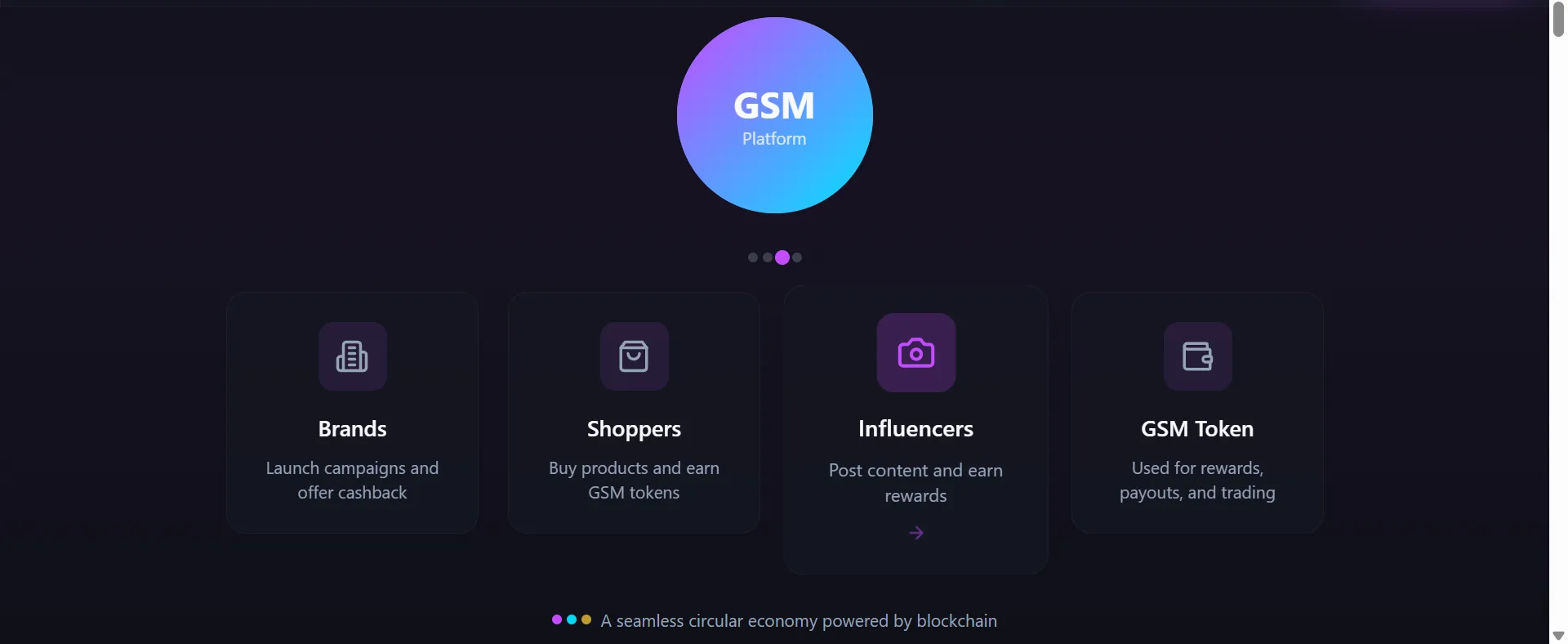
At this stage, access to a wide range of brands serves a practical purpose. It allows the platform to offer immediate usability rather than asking users to wait for future integrations. In many early-stage projects, utility is often delayed. GSM appears to be prioritizing that from the outset.
For investors evaluating early traction, this level of integration can be seen as an indicator that the platform is being built around real-world commerce rather than purely theoretical models.
A Utility Layer Designed Around Activity
At the center of the ecosystem is the GSM token, which is structured to function as the platform’s reward mechanism.
Rather than positioning the token as a standalone asset, GSM is framing it as part of a broader system, one that connects user activity, rewards distribution, and platform participation. Its role is tied directly to how users interact with the ecosystem, from purchases to engagement.
This utility-first approach reflects a wider trend in the digital asset space, where long-term viability is increasingly linked to real usage rather than speculative demand.
Why the Final Presale Stage Matters
With the presale now entering its final phase, GSM is approaching a transition point from early access to broader market exposure.
For participants, this stage represents one of the last structured entry opportunities before the platform moves into its next phase of development and user onboarding.
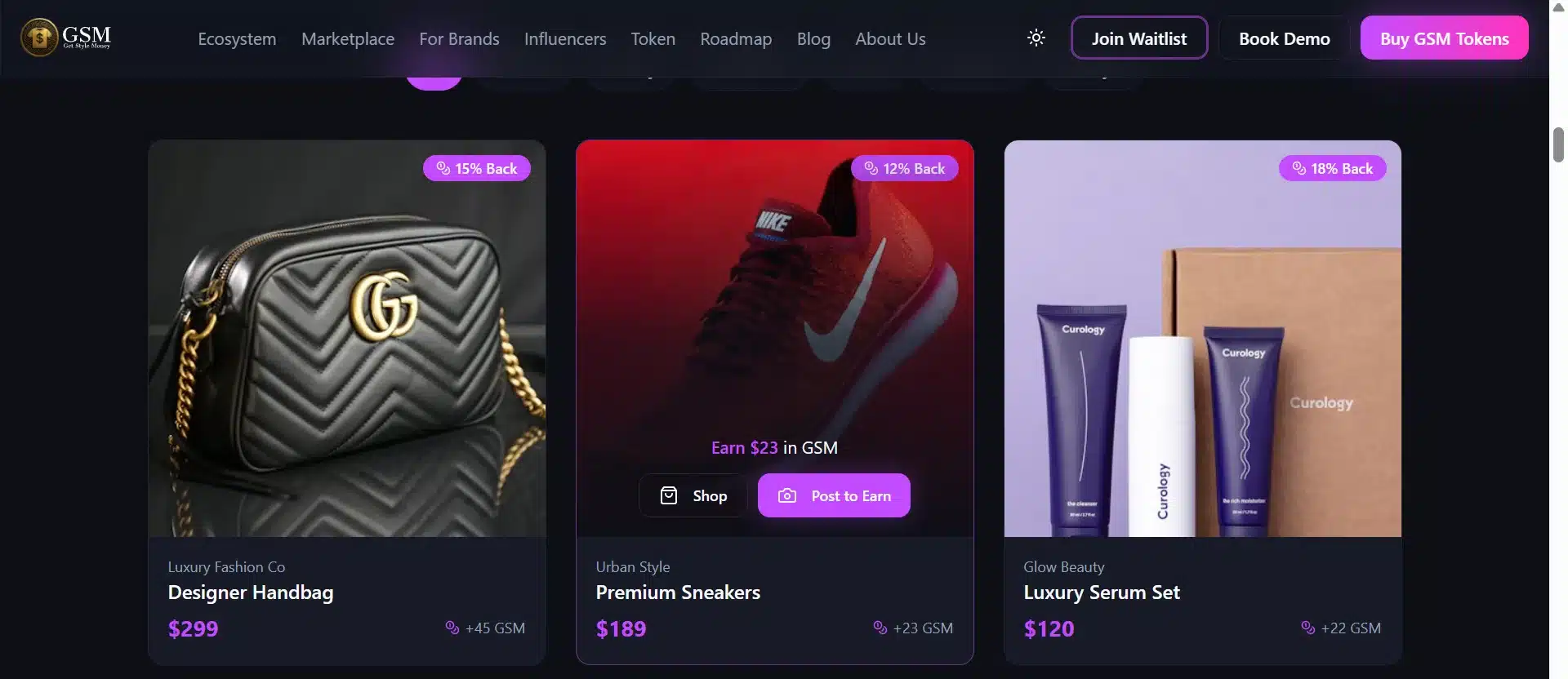
At the same time, the project’s framing remains relatively grounded. Rather than emphasizing exaggerated return expectations, GSM’s positioning is centered on adoption and usage. The underlying thesis is that as engagement increases through both spending and participation, the ecosystem itself could scale meaningfully.
Because GSM extends rewards beyond transactions into post-purchase activity, it effectively taps into a much larger layer of consumer-driven value. In practical terms, this expanded model has led some observers to suggest that platforms capturing both purchasing and engagement could unlock up to 10x more value compared to traditional cashback systems that only reward transactions.
Importantly, this is not presented as a guaranteed outcome, but as a reflection of how much additional activity exists beyond the point of sale and how capturing that activity could reshape the economics of rewards platforms over time.
A Broader Rethinking of Loyalty Systems
At a higher level, GSM is part of a wider rethinking of how loyalty systems should function in a digital-first economy.
Consumers are no longer just buyers. They are promoters, reviewers, and contributors to brand visibility in ways that were not as measurable a decade ago. Platforms that can capture and reward this extended value creation may have an advantage in user retention and engagement.
GSM’s approach is built around the idea that loyalty should reflect the full lifecycle of consumer interaction, not just the transaction itself.
The Bottom Line
As GSM approaches launch, its core proposition is relatively clear: a rewards ecosystem that combines spending with participation, supported by a growing network of brand relationships and a utility-driven structure.
For investors, the key question is not just whether cashback will continue to grow but whether models that incorporate engagement alongside spending can scale more effectively in the long term.
