
Millennials are increasingly making financial decisions that mirror their lifestyle choices. Over the past decade, this generation has shifted away from habits associated with long-term health risks and toward systems that support sustainability, balance, and preventive care. This evolution is visible in declining alcohol and tobacco consumption, alongside rising demand for clean-label foods, fitness, and wellness-oriented products.
At the same time, not all consumption patterns declined. Soft drinks remained deeply embedded in daily routines. High sugary drink consumption among adults aged 15–39 rose sharply over the last three decades, driven by taste familiarity, default availability, and ritualized consumption. This created a contradiction where health awareness increased, but daily habits did not fully adapt.
This tension highlights an important insight. Behavior does not change simply because awareness improves. It changes when alternatives preserve convenience, taste, and ritual while reducing long-term cost.
When Health Awareness Meets Daily Consumption
The challenge facing modern consumers is not a lack of information, but a lack of viable substitutes that preserve familiarity. Sugary soft drinks remain widely consumed because they fit seamlessly into everyday life, even as their long-term health implications become more visible.
A single serving of traditional cola often contains sugar levels that exceed the recommended daily intake. Long-term consumption is linked to rising rates of metabolic and cardiovascular conditions, particularly among younger demographics. Public health data shows these conditions increasing steadily across high-income regions, with similar patterns emerging throughout South Asia.
The opportunity, therefore, lies in upgrading consumption without forcing behavioral disruption. When healthier options compromise flavor or convenience, adoption stalls. When upgrades preserve taste and routine, adoption scales naturally.
Wellness as an Economic Signal
This same logic is now influencing how millennials evaluate digital assets. Instead of viewing value purely through price appreciation, many are beginning to favor systems that reflect real-world contribution and tangible outcomes.
Traditional crypto assets emphasize financial abstraction. Ownership exists independently of usage, and value is largely disconnected from daily economic activity. Participation is passive, and demand is driven primarily by market narratives rather than real behavior.
In contrast, wellness-linked models anchor participation in consumption, production, and measurable demand. Value formation becomes usage-led rather than speculative.
From Consumption to Participation
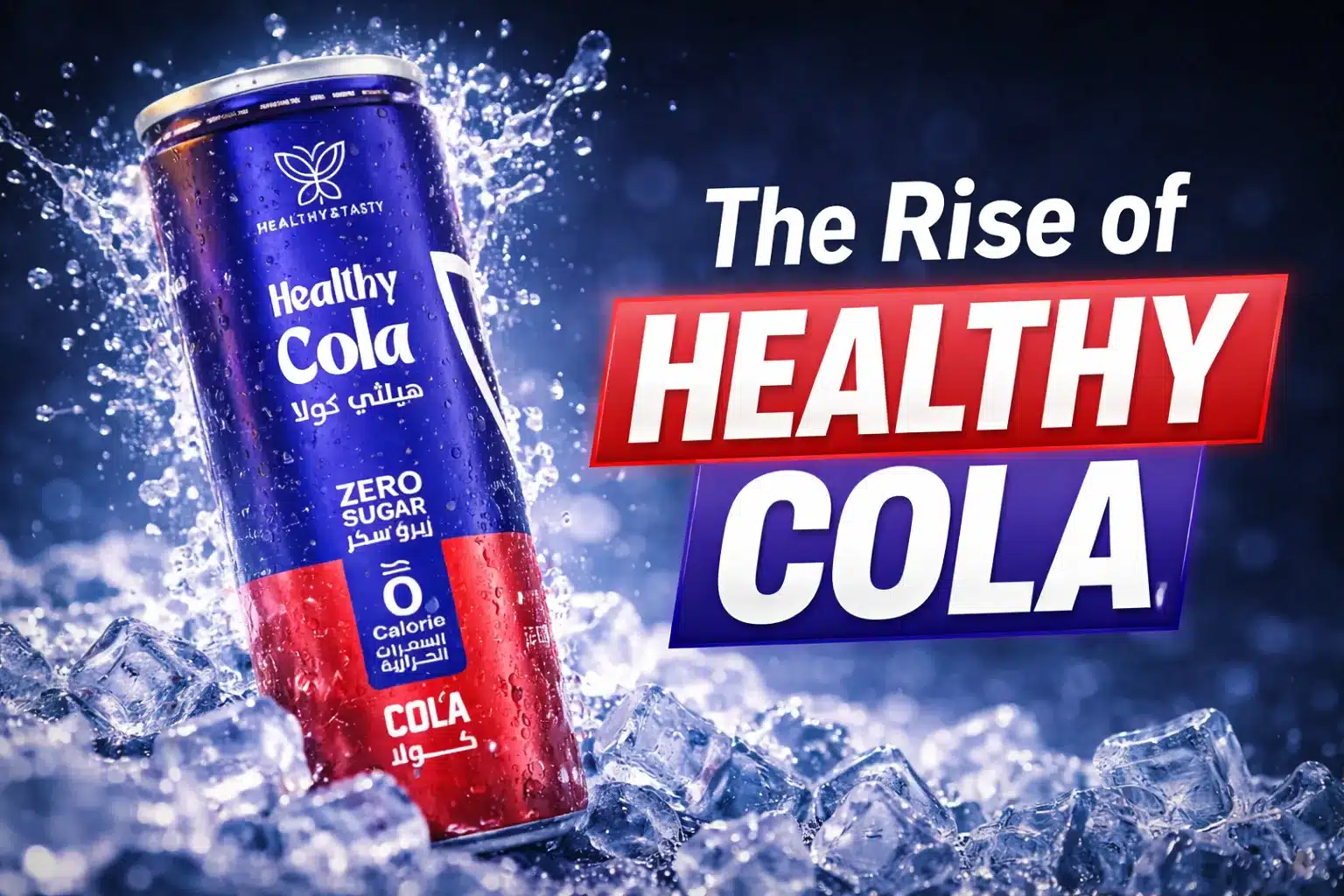
Healthy Cola operates at the intersection of these trends. By delivering zero-sugar beverages with plant-based sweeteners and preserving familiar taste profiles, the brand aligns health-first values with habitual consumption.
This model extends into Web3 through the $HEALTH utility token. Participation supports beverage manufacturing via Produce-to-Earn, funds production cycles, and converts retail and HoReCa sales into rewards and buybacks. As consumption increases, tokens are locked during production, the circulating supply tightens, and demand is reinforced through real usage rather than speculative trading.
Ownership shifts from passive holding to economic participation tied directly to physical output and consumer demand.
Why This Model Resonates With Millennials
Millennials increasingly favor systems that reward contribution rather than speculation. Wellness-driven consumption offers predictable demand, repeat behavior, and long-term alignment between values and economics.
Healthy Cola is already operating across 16 countries with established retail, pharmacy, gym, HoReCa, and delivery distribution. In 2025, revenue reached approximately $8 million, confirming sell-through, repeat orders, and distributor confidence. Growth now comes from distribution density rather than discovery.
As health-first lifestyles continue to scale globally, models that combine consumption, production, and participation are gaining relevance. $HEALTH went live on LBank and surged over 220% from its $0.15 listing price, highlighting growing market interest in ownership models tied to real products and active consumer demand.
This profile is increasingly aligned with what many market observers describe as the best crypto token 2026, driven by real usage rather than speculative narratives. It is also trading on Raydium here.
