
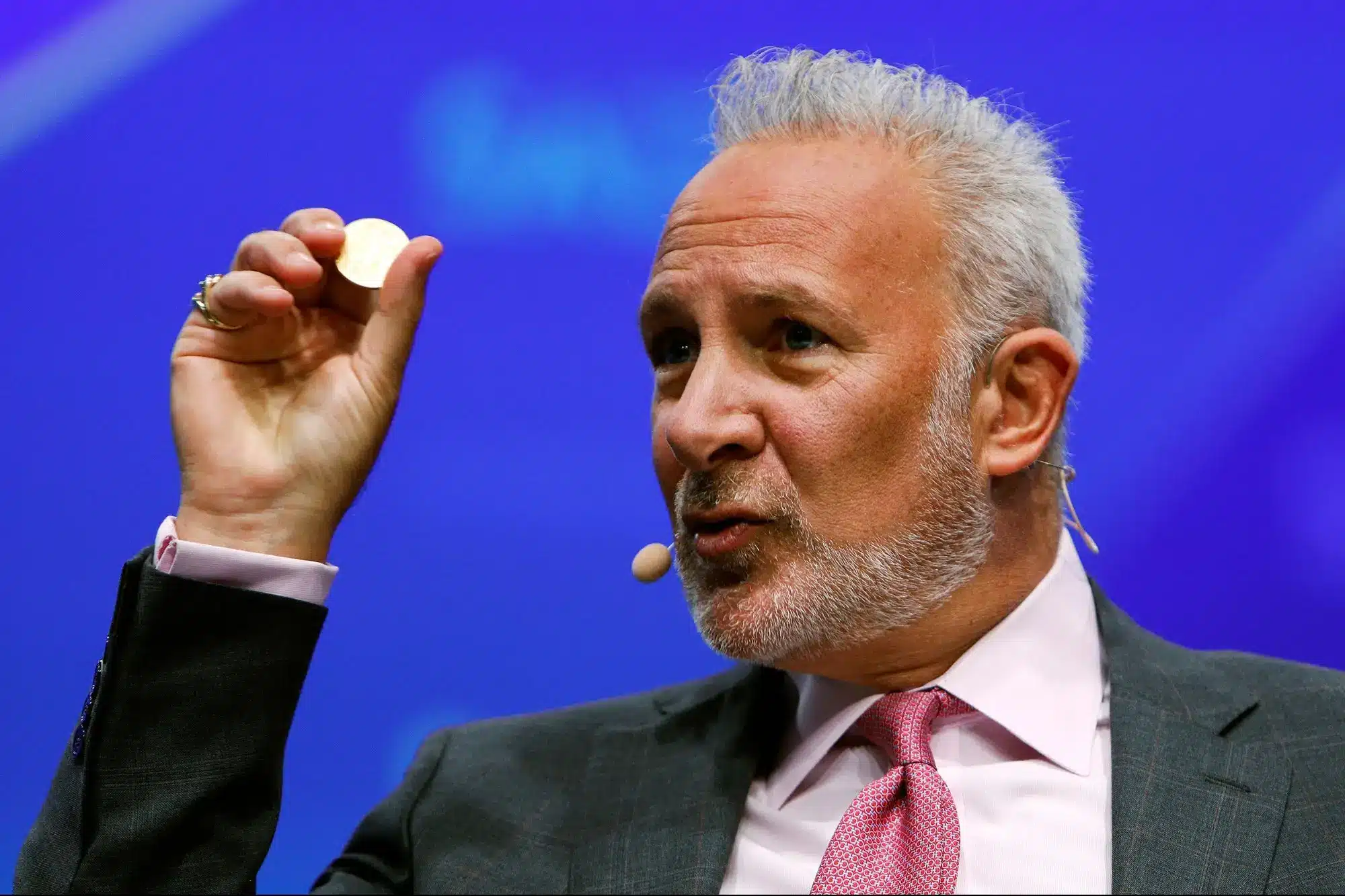
- Peter Schiff warns crypto mortgages increase costs and borrower risk significantly
- Dual loan structure raises concerns over rising default risks
- Crypto-backed home loans gain traction despite strong criticism from economists
Growing interest in crypto-backed mortgages has sparked renewed concern across financial circles, especially as economist Peter Schiff warns that the model could place additional strain on homebuyers and reshape risk within the housing market. His comments follow the rollout of a lending structure that allows borrowers to secure property financing without liquidating their cryptocurrency holdings.
According to Schiff, this approach introduces a more complex debt structure that may increase long-term financial pressure on borrowers, since individuals must now manage both a traditional mortgage and a secondary loan backed by digital assets. Moreover, he emphasized that this dual-loan system effectively finances the entire cost of a home, removing the need for a conventional down payment while simultaneously increasing the total interest burden over time.
Also Read: Shiba Inu Death Cross Sparks Panic as $441M Liquidations Rock Crypto Market
Additionally, the product has been introduced through a collaboration between Better Home and Finance and Coinbase, and it has gained further traction after being accepted by Fannie Mae, a move that signals growing institutional engagement with crypto-linked financial products. At the same time, borrowers must lock their crypto assets in custodial accounts for the duration of the loan, meaning they retain exposure to market movements but lose access to liquidity until repayment is completed.
Dual Loan Structure Intensifies Financial Pressure on Borrowers
Schiff also raised concerns about how this structure could amplify default risks, particularly during periods of economic uncertainty when borrowers may struggle to meet multiple repayment obligations tied to a single property purchase. Furthermore, he criticized the option to use stable assets such as USD Coin as collateral, arguing that borrowing against an asset with limited upside potential introduces unnecessary costs without clear financial advantages.
However, supporters argue that the model offers benefits such as tax efficiency and continued exposure to crypto markets, which may appeal to long-term investors seeking to avoid asset liquidation. Consequently, the emergence of crypto-backed mortgages continues to fuel debate, as financial innovation expands while concerns about sustainability and borrower risk remain firmly in focus.
Also Read: XRP Eyes Breakout Toward $27 as Analyst Flags Critical Structure Shift
