
- Ripple CEO outlines $2 billion strategy boosting XRP ecosystem growth
- XRP emerges central as Ripple expands services and institutional adoption
- Stablecoin integration and acquisitions position Ripple for sustained financial expansion
Digital asset markets continue to shift as institutional demand steadily reshapes how blockchain firms define sustainable growth. Ripple is positioning itself within this transition, with XRP increasingly taking a central role across its expanding financial ecosystem and service offerings.
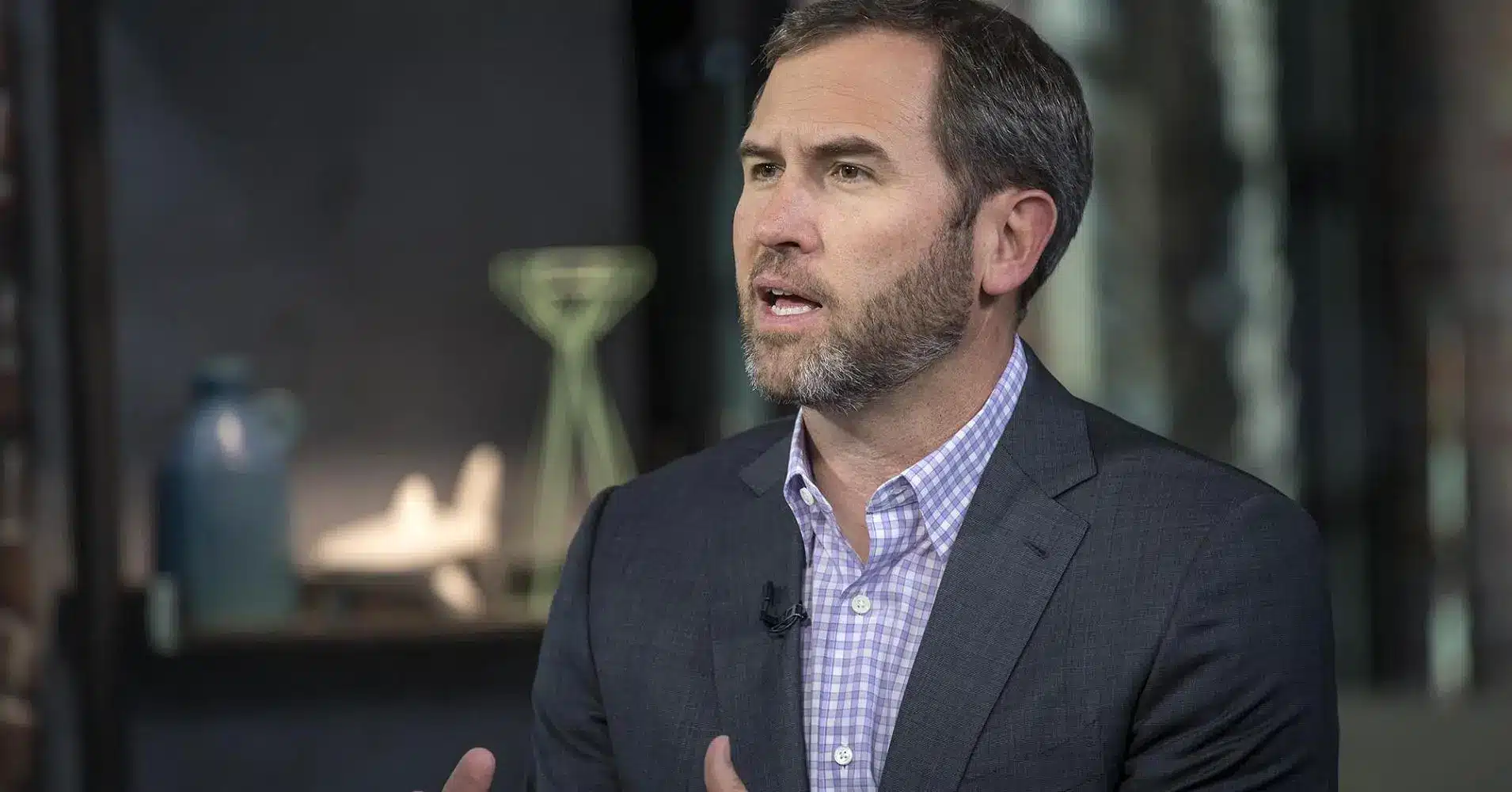
During an interview on Fox Business, Ripple CEO Brad Garlinghouse outlined how $2 billion in acquisitions is already shaping the company’s performance and strategic direction. He explained that key divisions are recording strong gains, showing how recent investments are translating into measurable operational results. At the same time, this strategy reflects a broader effort to align blockchain infrastructure more closely with traditional financial systems.
Ripple Prime has experienced notable expansion, particularly in brokerage operations where revenue has increased following integration efforts and improved service delivery. Additionally, Ripple Treasury continues to attract corporate finance teams by offering faster settlement compared to legacy systems that often delay transactions. These developments indicate that Ripple is prioritizing efficiency and practical financial use cases over speculative market activity.
Also Read: Breakdown of What Evernorth and Ripple are Really Building and Why it Matters for XRP
XRP Positioned as Core Driver of Ripple’s Expansion Strategy
According to Garlinghouse, XRP serves as the guiding element behind Ripple’s long-term development strategy. He noted that increased utility strengthens the ecosystem, especially as institutional adoption expands across multiple financial markets and regions. Consequently, Ripple is aligning its services to support use cases such as cross-border payments and tokenized financial assets.
Moreover, Ripple has pointed to real estate tokenization initiatives as evidence of growing real-world adoption within regulated financial environments. These projects demonstrate how blockchain infrastructure can integrate into existing systems while maintaining efficiency and reducing settlement delays. As a result, XRP continues to move beyond trading activity and into broader financial workflows.
Stablecoin Integration Expands Ripple’s Payment Infrastructure Strategy
In parallel, expectations surrounding upcoming legislation are influencing market sentiment and shaping how institutions approach digital assets. The proposed Clarity Act could allow banks to engage more directly with stablecoins, potentially accelerating adoption across payment networks and financial platforms. Ripple is preparing for this shift by strengthening its infrastructure and expanding its service offerings to meet institutional demand.
Additionally, the company is advancing a dual approach that combines XRP with its stablecoin initiative, RLUSD, to improve liquidity and settlement flexibility. This structure supports continuous transaction processing across global markets, reducing reliance on traditional banking hours and operational limitations. Hence, Ripple is positioning its ecosystem to operate seamlessly across different time zones without interruptions.
Ripple’s $2 billion strategy reflects a clear focus on utility, with XRP emerging as the core driver of its growth model. As institutional participation increases, this approach may influence how blockchain integrates into global finance.
Also Read: Ripple Tests Stablecoin Payments on XRPL, Signals Real-Time Shift
