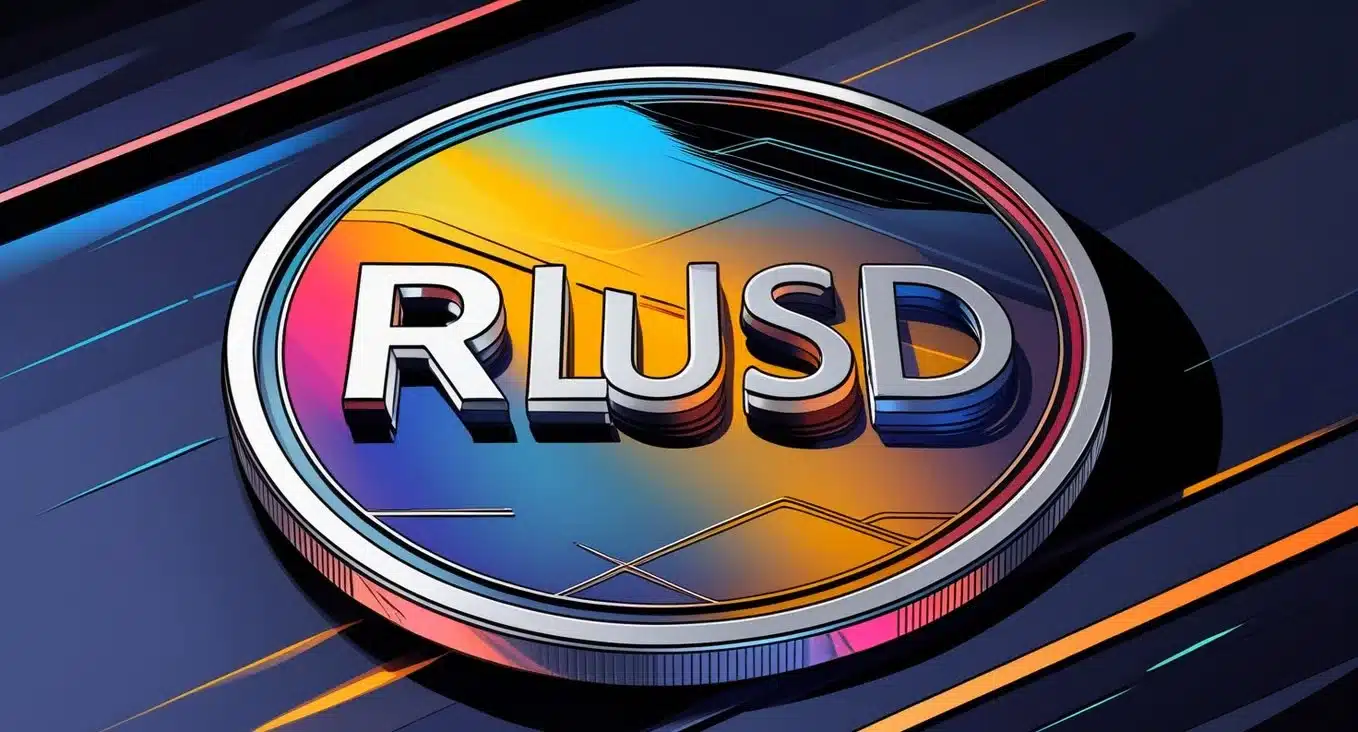
- Ripple’s RLUSD stablecoin expands across multiple chains for greater interoperability.
- RLUSD’s integration with LMAX boosts institutional use in crypto markets.
- Ripple’s multichain strategy aims to enhance stablecoin use globally.
Ripple’s SVP of stablecoins and CEO of Standard Custody, Jack McDonald, recently shared an important aspect of how Ripple’s USD stablecoin, RLUSD, is designed to scale across various blockchains. According to McDonald, Ripple leverages interoperability as a core feature to support RLUSD’s expansion across chains. McDonald referenced a Messari tweet highlighting Wormhole’s significant role in facilitating over $70 billion in cross-chain volume, underscoring the growing need for institutional-grade Web3 infrastructure.
This focus on interoperability aligns with Ripple’s vision for RLUSD to scale seamlessly across multiple blockchain ecosystems. Initially, RLUSD is circulating on both the XRP Ledger (XRPL) and Ethereum networks, enabling the stablecoin to participate in decentralized finance (DeFi) and cross-chain activities.
As McDonald pointed out, a multichain future is a crucial part of the cryptocurrency ecosystem, where stablecoins must be available wherever there is demand and utility. This is especially important for institutional finance and the expanding on-chain economy.
Ripple’s approach to cross-chain interoperability reflects its long-standing goal of ensuring that RLUSD is not confined to just one blockchain. This strategy ensures that RLUSD is positioned for real-world use cases across a wide variety of chains.
Also Read: Shiba Inu Ecosystem Faces Uncertainty Amid Developer Silence
Ripple’s Ongoing Efforts to Integrate RLUSD Across More Chains
Ripple’s multichain vision for RLUSD continues to grow. Just last year, Ripple initiated tests of RLUSD on several Layer-2 networks, including Optimism, Base, Ink, and Unichain, in collaboration with Wormhole and its NTT token standard.
In addition, Hex Trust launched the issuance of wXRP for cross-chain interoperability, enabling XRP holders to utilize XRP alongside RLUSD for trading and liquidity across supported chains. This expansion lays the groundwork for RLUSD to diversify its presence in the stablecoin space.
Ripple’s recent efforts have gained significant momentum with RLUSD’s listing on major exchanges like Binance. At launch, the stablecoin was made available for spot trading with pairs such as RLUSD/USDT and RLUSD/U, with XRP/RLUSD trading pairs to follow. This listing is seen as a major step toward integrating RLUSD into the broader cryptocurrency ecosystem.
Moreover, Ripple’s partnership with LMAX, a global exchange provider, will enable RLUSD to be used as a core collateral asset for institutional trading, further supporting its scalability across different blockchain networks.
RLUSD’s Growing Institutional Integration
Ripple’s partnership with LMAX is particularly noteworthy, as it marks a significant leap forward in integrating RLUSD into traditional financial infrastructure. Through this multi-year partnership, RLUSD will be incorporated as a core collateral asset within LMAX’s institutional trading ecosystem, which includes top-tier banks, brokers, and buy-side institutions.
This integration will allow these institutions to use RLUSD for cross-collateralization across various financial products, such as spot crypto, perpetual futures, and CFD trading. The partnership highlights Ripple’s strategy to embed RLUSD within the traditional finance sector, expanding its use beyond retail and into the institutional world.
Expansion Plans for RLUSD in the Multichain Ecosystem
Looking ahead, Ripple plans to expand RLUSD onto additional chains, a move that will further diversify its reach and integrate the stablecoin into a multichain future. This expansion is critical for Ripple’s goal of creating an interoperable stablecoin that can serve the growing needs of institutional finance and the on-chain economy.
With RLUSD already active on XRP Ledger and Ethereum, Ripple is strategically positioning the stablecoin to serve a broader user base across various blockchain networks, ensuring that it remains a key player in the stablecoin market.
Also Read: XRP Ledger Sees Remarkable Growth in 2025, Exceeding 1.8 Million Daily Transactions
