
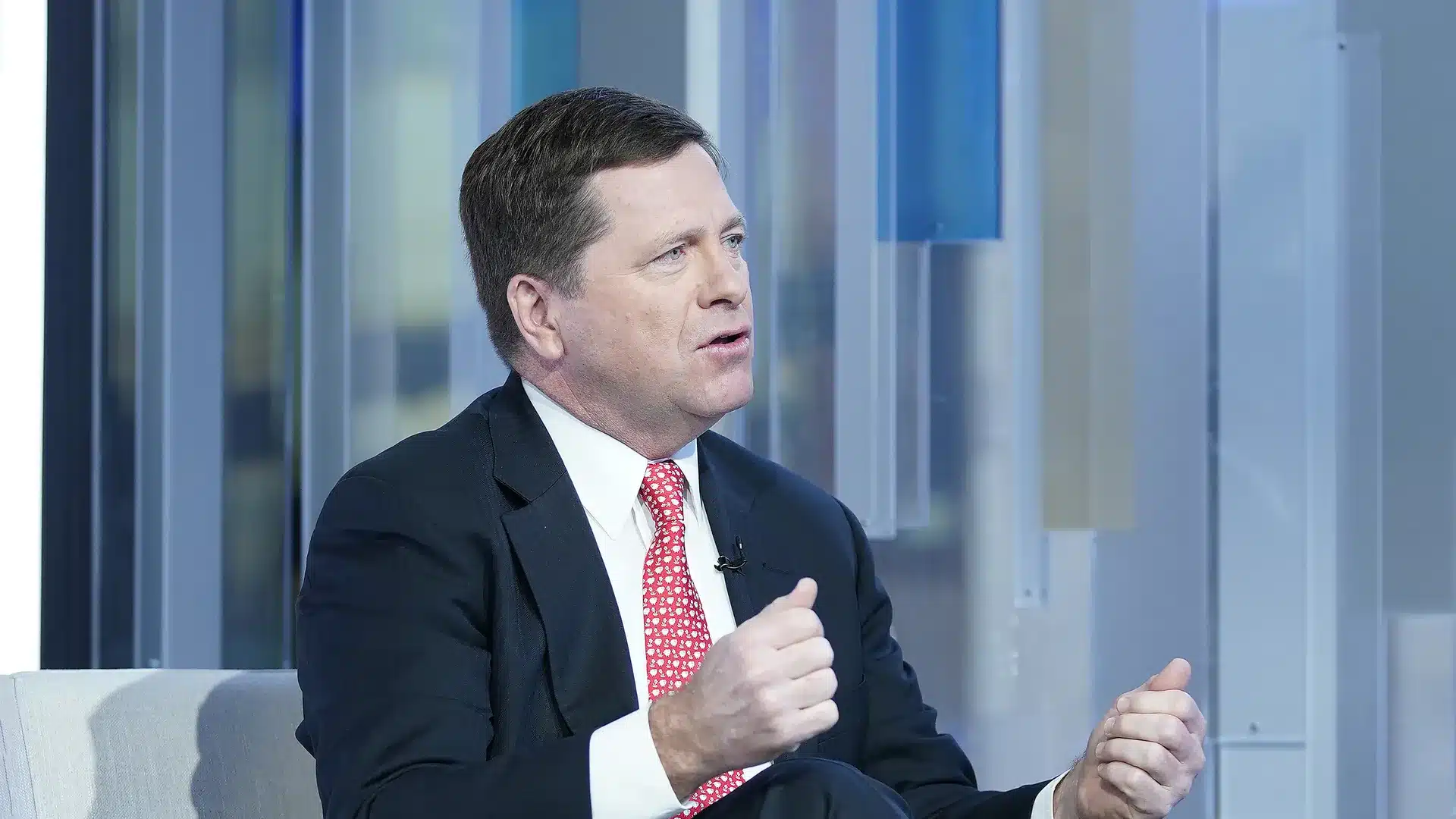
- Rob Cunningham highlights concerns around Jay Clayton’s role in the SEC’s XRP lawsuit.
- Clayton’s rapid move into major private-sector roles at firms exposed to crypto markets that benefited while XRP faced regulatory pressure has fueled conflict-of-interest debate.
- A later court ruling weakened the SEC’s core argument, reinforcing criticism that the lawsuit damaged market trust and raised lasting questions about regulatory credibility.
Crypto market analyst and pundit Rob Cunningham has drawn attention to a series of “facts” about former SEC chairman Jay Clayton and the circumstances surrounding the Ripple-SEC lawsuit and his departure from the agency.
On December 22, 2020, the U.S. Securities and Exchange Commission filed a civil lawsuit against Ripple Labs, alleging that the company had conducted an unregistered securities offering through the sale of XRP.
The case, titled SEC v. Ripple Labs, immediately sent shockwaves through the digital asset market, triggering a sharp decline in XRP’s price and leading several exchanges to suspend or limit XRP trading for U.S.-based users. At the time of the filing, Jay Clayton was serving as Chairman of the SEC and presided over the agency when the enforcement action was approved.
Internal Opposition to the Case Emerges
In the months that followed, information surfaced indicating that the decision to sue Ripple was not universally supported within the SEC.
Senior enforcement attorneys and internal market specialists reportedly raised concerns before the filing, warning that the case rested on weak legal foundations, conflicted with earlier SEC guidance on digital assets, and risked significant harm to investors and the broader market. These internal objections later became a central point of criticism as the lawsuit unfolded.
Clayton’s Sudden Resignation
One day after the lawsuit against Ripple was filed, Jay Clayton resigned as SEC Chairman. The timing of the resignation drew widespread attention, as it is uncommon for the head of a federal regulatory agency to step down immediately following the launch of a major enforcement action.
While no formal wrongdoing was alleged in connection with the resignation, the sequence of events raised questions among market participants and legal observers.
After leaving public office, Clayton joined One River Asset Management, an investment firm with substantial exposure to Bitcoin and Ethereum. Both assets benefited during periods when XRP faced heightened regulatory pressure, reduced liquidity, and diminished market access following the SEC’s lawsuit.
Critics have argued that this move intensified concerns about incentive alignment between regulatory decisions and post-government career opportunities.
Also Read: Epstein Files: Was the Ripple (XRP) Lawsuit Orchestrated? What You Should Know
Court Ruling Undermines the SEC’s Core Argument
In 2023, the U.S. District Court for the Southern District of New York delivered a pivotal ruling in the Ripple case. The court found that programmatic sales of XRP on secondary markets did not constitute securities transactions.
This decision significantly weakened the SEC’s central legal theory and appeared to validate many of the internal warnings that had reportedly been raised before the lawsuit was filed. The ruling marked a major shift in the case and had broader implications for digital asset regulation in the United States.
Appointment to Apollo Global Management’s Board
Within weeks of leaving the SEC, Clayton was announced as an independent board director at Apollo Global Management. The announcement emphasized his regulatory expertise, deep understanding of capital markets, and value in governance and oversight.
The announcement did not reference the market impact of the Ripple lawsuit, the reported internal opposition, or Apollo’s exposure to financial ecosystems that may have benefited from XRP’s impairment.
Why the “Independent Director” Role Matters
The role of an independent board director carries substantial authority and responsibility. It includes fiduciary duties, influence over strategic capital allocation, insight into compliance frameworks, and reputational signaling to regulators and investors.
For critics, the speed with which Clayton transitioned from regulator to senior roles in global private capital highlighted what they view as a breakdown in the appearance of regulatory neutrality, even if no laws were violated.
The Conflict-of-Interest Argument
According to Rob Cunningham, concerns arise when three conditions converge. First, the harm caused by the Ripple lawsuit to XRP holders, Ripple’s business, and overall market confidence was immediate and foreseeable.
Second, internal SEC warnings about the case’s weaknesses were reportedly disregarded. Third, Clayton moved almost immediately into elite private-sector positions at firms positioned to benefit from the regulatory environment shaped during his tenure.
In this framework, critics argue that corruption need not be proven for damage to occur. Misaligned incentives alone, they say, can be corrosive to public trust.
Core, Undisputed Jay Clayton Facts
1. The Ripple Labs Lawsuit
On Dec. 22, 2020, the U.S. Securities and Exchange Commission filed SEC v. Ripple Labs, alleging that Ripple Labs conducted an unregistered securities offering via XRP.
2. Internal Opposition
It later became public… pic.twitter.com/ZR8fRJQ3k1
— Rob Cunningham | KUWL.show (@KuwlShow) February 1, 2026
Implications for Regulatory Credibility
Cunningham stressed that financial regulators are entrusted with impartial enforcement, restraint, and the protection of market integrity. When enforcement actions appear to coincide with personal career advancement or competitive advantages for certain market participants, confidence in the regulatory system can erode.
The Ripple case continues to be cited as an example of how perceived conflicts of interest can undermine trust, even in the absence of illegal conduct.
Bottom Line
Cunningham argues that a regulator who authorizes a market-disruptive enforcement action, resigns immediately afterward, and is rapidly absorbed into powerful private financial institutions forfeits the presumption of disinterest.
As the Ripple lawsuit continues to shape the future of crypto regulation, the circumstances surrounding its origins remain a focal point in debates over accountability, transparency, and public trust.
Also Read: Bitcoin and Ethereum Surge: Top Coins and Altcoins See Major Gains in 24 Hours!
