
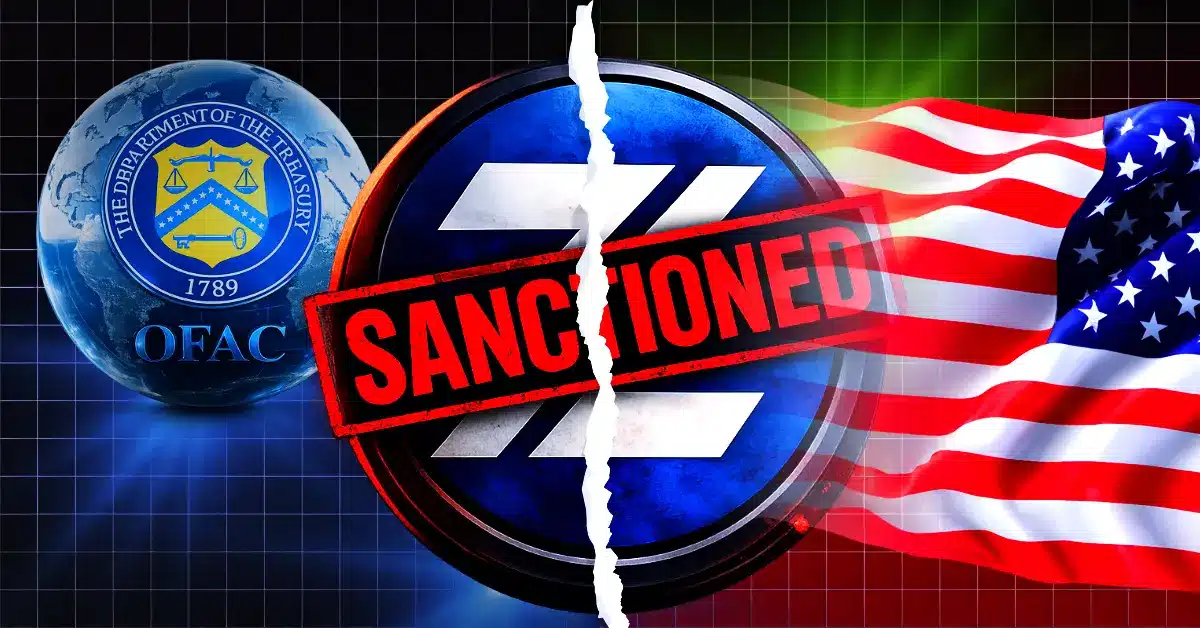
- U.S. sanctions two crypto exchanges linked to Iran’s financial networks.
- Treasury targets cryptocurrency platforms aiding Iran’s illegal financial activities, sanctions evasion.
- Zedcex, Zedxion exchanges accused of facilitating IRGC-linked transactions, U.S. action.
The U.S. Treasury has sanctioned two cryptocurrency exchanges accused of aiding Iran’s financial networks, marking a significant step in its strategy to target digital platforms facilitating sanctions evasion. According to the Treasury Department’s Office of Foreign Assets Control (OFAC), these sanctions are part of a larger effort to combat Iranian officials and networks engaged in human rights violations and illegal financial activities.
Sanctions Target Key Iranian Figures and Financial Facilitators
Among those sanctioned was Eskandar Momeni Kalagari, Iran’s Minister of the Interior, responsible for overseeing the country’s Law Enforcement Forces. This move highlights the U.S. government’s commitment to holding Iranian officials accountable for suppressing dissent and exploiting financial systems to circumvent international sanctions.
OFAC also designated Babak Morteza Zanjani, a notorious Iranian businessman previously convicted of embezzling billions from Iran’s national oil company. Zanjani was accused of using crypto exchanges to move and launder funds, providing support to the Islamic Revolutionary Guard Corps (IRGC). This is part of a broader push to prevent Iran from diverting state resources to military and proxy operations.
Crypto Exchanges Used for Evasion of Sanctions
The sanctions extend to two UK-registered cryptocurrency exchanges—Zedcex Exchange Ltd. and Zedxion Exchange Ltd.—which U.S. officials claim are connected to Zanjani and have processed substantial amounts of transactions linked to IRGC entities. Zedcex alone reportedly handled over $94 billion in transactions since its establishment in 2022, making this the first time digital asset platforms have been targeted under U.S. sanctions related to Iran’s financial sector.
These sanctions emphasize the U.S.’s determination to prevent Tehran from using cryptocurrency as a means to bypass international restrictions. U.S. Treasury Secretary Scott Bessent reaffirmed that the U.S. would continue to focus on disrupting networks that exploit digital assets for illicit activities, including financing military and destabilizing operations. The latest move also aims to cut off Iran’s access to digital currencies, such as Tether’s USDT, which it had used to stabilize its national currency and fund covert activities.
Also Read: Crypto Tycoons Push for Political Change in California with $40 Million Campaign
