
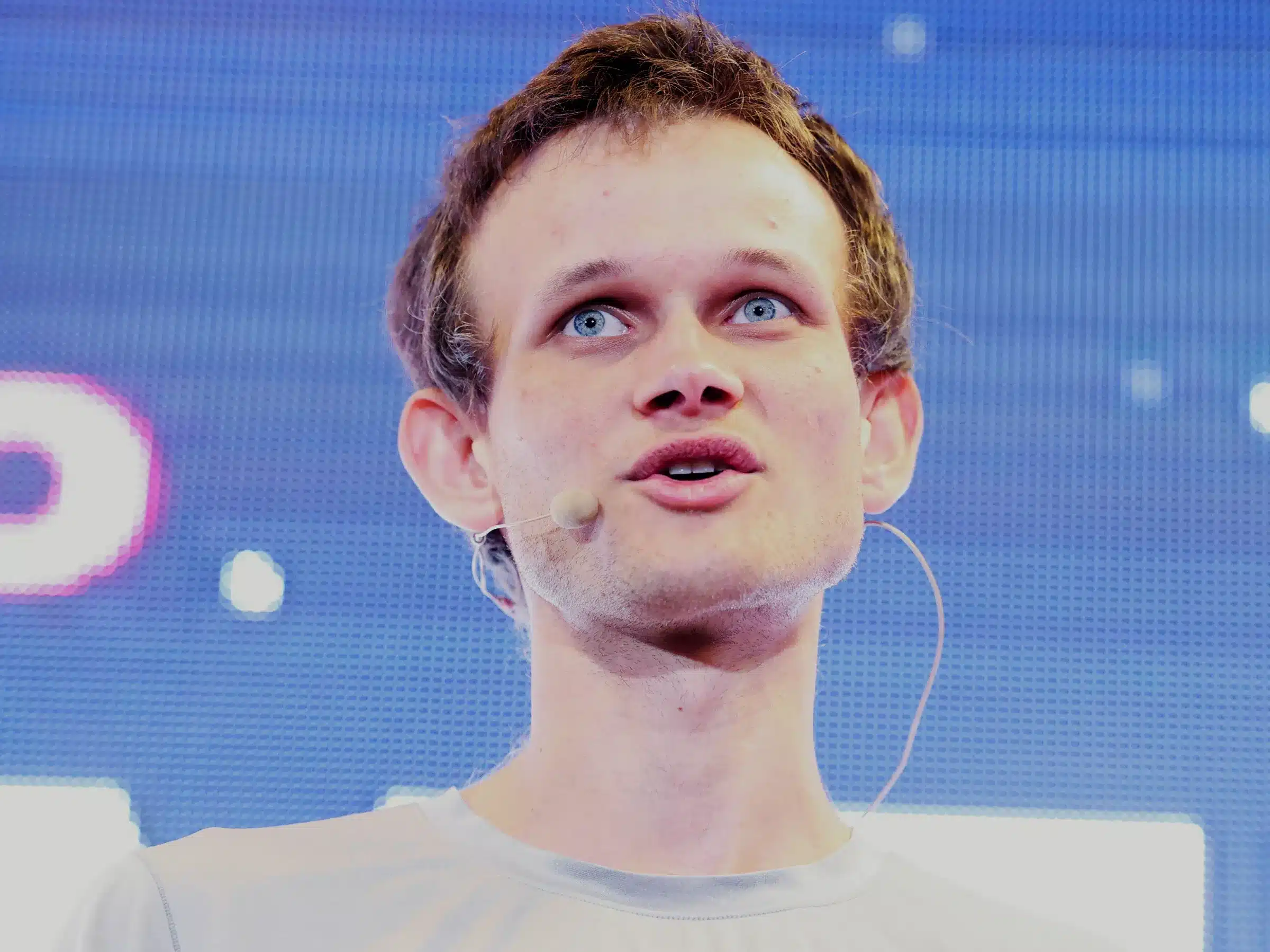
- Vitalik Buterin targets AI-driven content overload with curated creator token DAOs
- Prediction markets reshape speculation by rewarding accurate quality-based creator selection
- Token burning introduces scarcity to reward creators who meet DAO standards
Rising concern around low-quality digital media resurfaced after comments from Vitalik Buterin outlined a new approach to creator tokens. In a post shared on X, he described a system designed to push back against the growing dominance of AI-generated and mass-produced content within blockchain-based creator platforms.
The proposal targets a core weakness in current creator token models. Many platforms reward frequent output instead of meaningful contributions. Consequently, creators who prioritize speed often gain visibility, while higher-effort work struggles to compete. The rapid spread of AI tools has intensified this imbalance and increased content saturation.
Under the plan, creators would issue tokens and apply to join curated creator DAOs. DAO members would review submissions and decide which creators gain entry. At the same time, market participants would speculate on which creators the DAO will accept. This structure shifts speculation toward evaluating quality rather than chasing hype.
Also Read: STASIS EURS (EURS) Price Prediction 2026–2030: Can EURS Hit $3.00 Soon?
Token burning introduces scarcity-based incentives
Once accepted, creators could benefit from a supply reduction mechanism. In this design, DAOs would burn a portion of the creator’s tokens. Reduced supply could support higher valuations over time and reward creators for meeting quality standards. Speculators who predicted DAO decisions accurately would also benefit, creating aligned incentives across participants.
This structure contrasts with existing creator token platforms. On networks like BitClout and Zora, visibility often favors celebrities or individuals with established social influence. As a result, new creators face barriers unrelated to content merit.
Smaller DAOs target specific audiences and formats
Buterin emphasized the importance of focus when structuring creator DAOs, rather than serving broad audiences. Each DAO would concentrate on defined niches like long-form writing, short video, or regional communities.
Smaller DAOs could also act as collective brands and negotiate partnerships more effectively than individual creators. At the same time, internal decision-making would remain practical and transparent.
Lessons from past SocialFi experiments shape the design
Recent history highlights risks tied to speculation-heavy models. Platforms like Friend.tech, built on Ethereum layer two Base, allowed creators to monetize private interactions through tradable access keys. However, speculation quickly overtook content value, leading to declining engagement. The platform shut down in September 2024 after significant activity losses.
Buterin argued that prediction markets could serve a more constructive role. According to his explanation, traders would only succeed by accurately forecasting DAO decisions. This dynamic encourages careful evaluation of creators rather than short-term speculation.
In conclusion, Vitalik Buterin’s proposal presents a structured attempt to curb AI-driven content overload. By combining curated DAOs, prediction markets, and token burning, the model aims to shift creator economies toward quality, sustainability, and clearer incentives.
Also Read: Bitcoin, Ethereum, XRP Slide as Major Cryptos Face 24 Hour Pullback
