
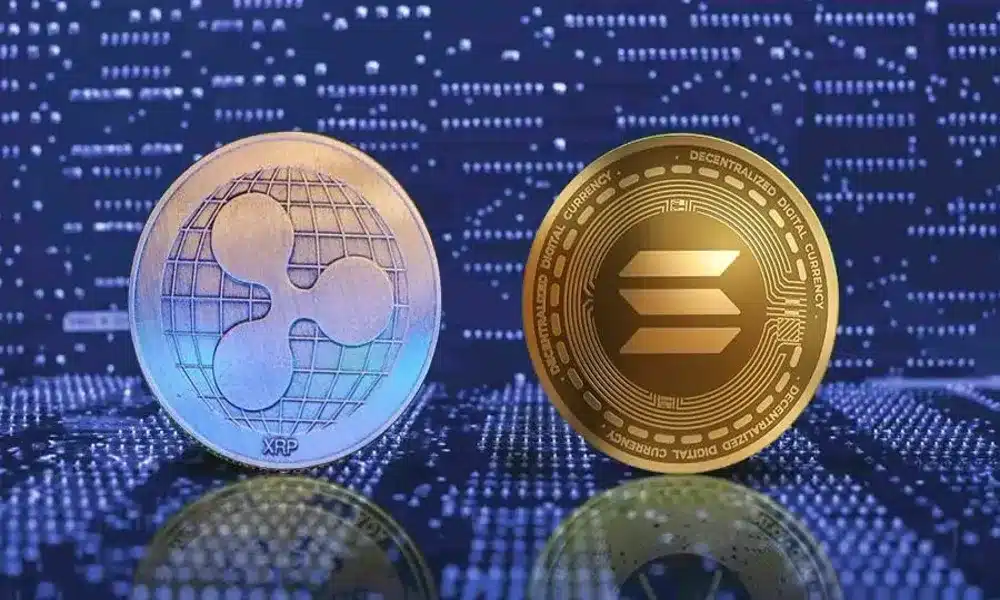
- Stern Drew criticizes wrapped XRP on other chains, arguing it diverts activity away from the XRP Ledger.
- He believes XRP’s value is inseparable from XRPL, and that liquidity, usage, and development should remain on the native network.
- Drew urges builders to focus on XRPL, warning that wrapped versions mainly benefit rival chains.
Crypto analyst Stern Drew has voiced strong criticism of the growing interest in the newly announced wrapped XRP, a 1:1-backed version of the native XRP asset, on alternative blockchains such as Solana.
While acknowledging that some users may find value in using XRP through wrapped representations, Drew made it clear that he does not view this approach as beneficial to the long-term health of the XRP ecosystem.
According to the analyst, XRP was designed to function on the XRP Ledger (XRPL), and diverting activity away from its native network undermines the very infrastructure that gives the asset its utility.
“XRP Belongs on the XRP Ledger”
At the core of Drew’s argument is the belief that XRP’s value is inseparable from the XRPL itself. He emphasized that his decision to hold XRP is rooted in the capabilities of the native ledger, not in derivative versions deployed on other chains.
Also Read: Pundit: People Say 100 Billion XRP Supply Is Too Much, But Here’s What You Don’t Know
I get the idea of wrapped XRP on Solana or any other chain and if people want to use it that way fine, but in my opinion fuck wrapped XRP. I hold XRP on the XRP Ledger because that is where XRP belongs. I want to use XRP on XRPL. I want activity, liquidity, builders, and real…
— Stern Drew (@SternDrewCrypto) December 14, 2025
Drew argued that liquidity, transaction volume, and real-world usage should remain concentrated on the XRPL, where development and innovation directly strengthen the network. From his perspective, moving XRP activity to external ecosystems weakens the foundation that supports long-term adoption.
The analyst also raised concerns about motivation. Drew suggested that other blockchains are not integrating wrapped XRP out of support for the XRP ecosystem, but rather to capture the attention, liquidity, and engagement of one of crypto’s most active communities.
He warned that siphoning liquidity and user activity away from XRPL could artificially boost metrics on competing chains while leaving the native ecosystem diluted.
Call for Builders to Focus on XRPL
Instead of wrapping XRP for use elsewhere, Drew urged developers to build directly on the XRP Ledger. He framed XRPL as the environment where XRP’s future will ultimately be shaped, both in terms of technology and adoption.
In his view, meaningful progress for XRP will come from increased on-ledger activity, stronger developer participation, and applications that leverage XRPL’s native features, rather than from cross-chain representations that shift value outward.
Debate Highlights Broader Ecosystem Tensions
While many within the XRP community shared Drew’s opinion, others emphasized that having XRP on multiple networks is good for the ecosystem. Particularly, Planetraveller pushed back on Drew’s comment, noting that “the fact that it’s being integrated into Solana is a good thing,” and that it could drive up utilization. As a result, Planetraveller argues that it could even “force the price of XRP to go up.”
Drew’s comments reflect a broader debate within crypto communities about cross-chain assets and ecosystem loyalty. While wrapped tokens can increase accessibility and interoperability, critics argue they often fragment liquidity and dilute network effects.
As wrapped XRP gains visibility on the Solana blockchain, the discussion underscores a growing tension between interoperability and strengthening native blockchain ecosystems, one that is likely to remain a point of contention within the XRP community.
Also Read: Is SWIFT Building a Blockchain Ledger on XRP? Here’s the Latest
