

What to know:
- Citigroup launched a platform for trading tokenized private company shares.
- The company expanded its tokenization strategy through blockchain settlement initiatives.
- Competition grows as Wall Street firms embrace private equity tokenization.
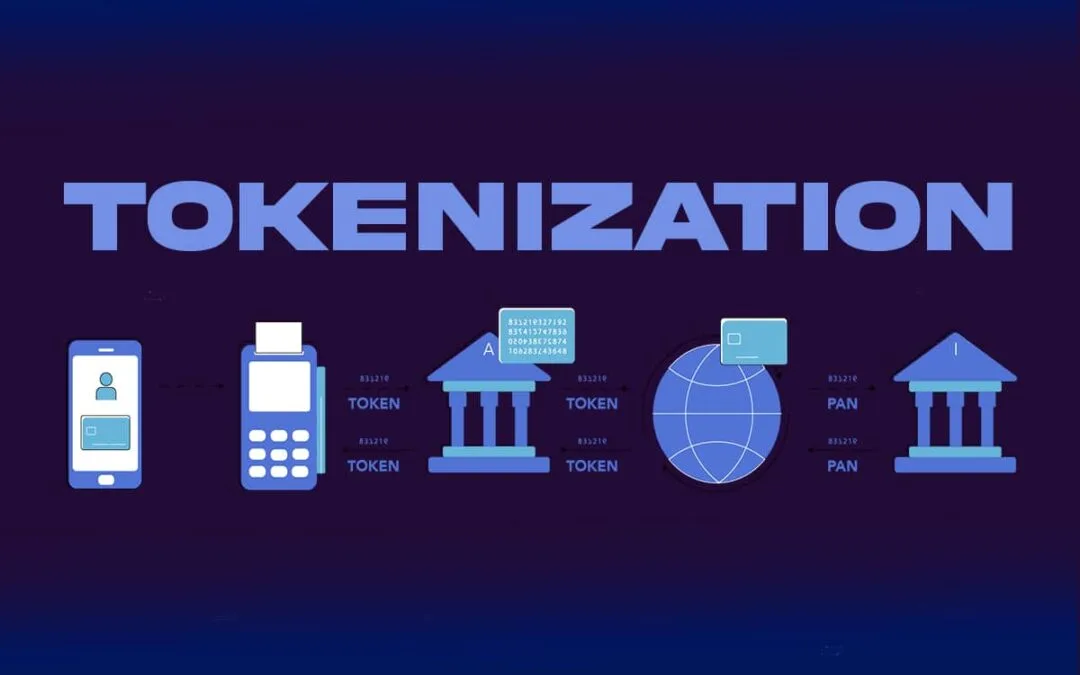
Citigroup is preparing to bring private company investments onto blockchain infrastructure through a new platform designed for wealthy and institutional clients, marking another step in Wall Street’s growing interest in tokenized assets.
The initiative will initially serve foreign investors and allow access to tokenized shares of private companies. According to a Wall Street Journal report, Citigroup is already in discussions with several major private firms about participating in the platform, although the bank has not disclosed specific names.
The development arrives as private companies continue delaying public listings, leaving investors with fewer opportunities to gain exposure before initial public offerings. Consequently, demand for alternative access routes has increased among institutions seeking stakes in some of the world’s most closely watched private businesses.
Citigroup’s latest project also reflects a broader strategy that has been taking shape for several years. The bank has consistently argued that blockchain technology can improve the efficiency of traditional financial markets. Moreover, Citi has repeatedly identified tokenization as one of the most practical applications of distributed ledger technology.
Also Read: Crypto market gains momentum on Friday as altcoins post triple-digit returns
Citi builds on years of tokenization investments
Citigroup’s new platform follows several blockchain initiatives launched by the bank in recent years. In 2023, Citi projected that tokenized securities could grow into a market worth as much as $4 trillion by 2030. At the time, the bank described tokenization as a potentially significant use case for blockchain within mainstream finance.
We're back on X.
— 36Crypto (@36Crypto1) August 21, 2026
Our previous account (36crypto2) is currently unavailable while we continue working through the appeal process. In the meantime, this is our new official account. While you are on this page, please support us by sharing and following.
During the same year, Citi introduced a pilot version of its Token Services platform. That system converted customer deposits into digital tokens operating on a private blockchain network. As a result, clients gained access to faster cross-border transfers and more efficient settlement processes.
More recently, Citigroup joined a consortium backed by JPMorgan that aims to launch a tokenized deposit network. According to reports, the project could begin operations during the first half of 2027. The network seeks to provide continuous settlement capabilities for large institutional clients operating across multiple markets.
Wall Street competition around tokenized private markets grows
Citigroup is entering a sector that has attracted increasing attention from financial firms and fintech companies. Several organizations have already explored ways to tokenize private market exposure and broaden investor access. Last year, Republic announced plans to offer blockchain-based tokens linked to shares of companies such as SpaceX, OpenAI, and Anthropic. The company stated that investors could participate with investments starting from as little as $50.
Additionally, Robinhood introduced tokenized exposure to OpenAI and SpaceX for European customers through the Arbitrum blockchain network. However, OpenAI later clarified that it neither approved nor endorsed those tokens.
Interest in the sector has continued to expand across financial markets. Bernstein analysts described the trend as an equity tokenization wave in July 2025, arguing that efforts from firms such as Robinhood signaled growing institutional support for blockchain-based equity products.
As more private companies remain outside public markets for longer periods, financial institutions are increasingly exploring tokenization as a way to connect investors with private market opportunities while improving liquidity and accessibility.
Conclusion
Citigroup’s latest platform demonstrates how major banks are moving beyond blockchain experimentation and into practical investment products. Furthermore, the project highlights growing competition among financial firms seeking to bring private market assets onto digital infrastructure.
Also Read: Crypto Trading Volumes Hit Two-Year Lows as Santiment Signals Relief Rally Potential
