

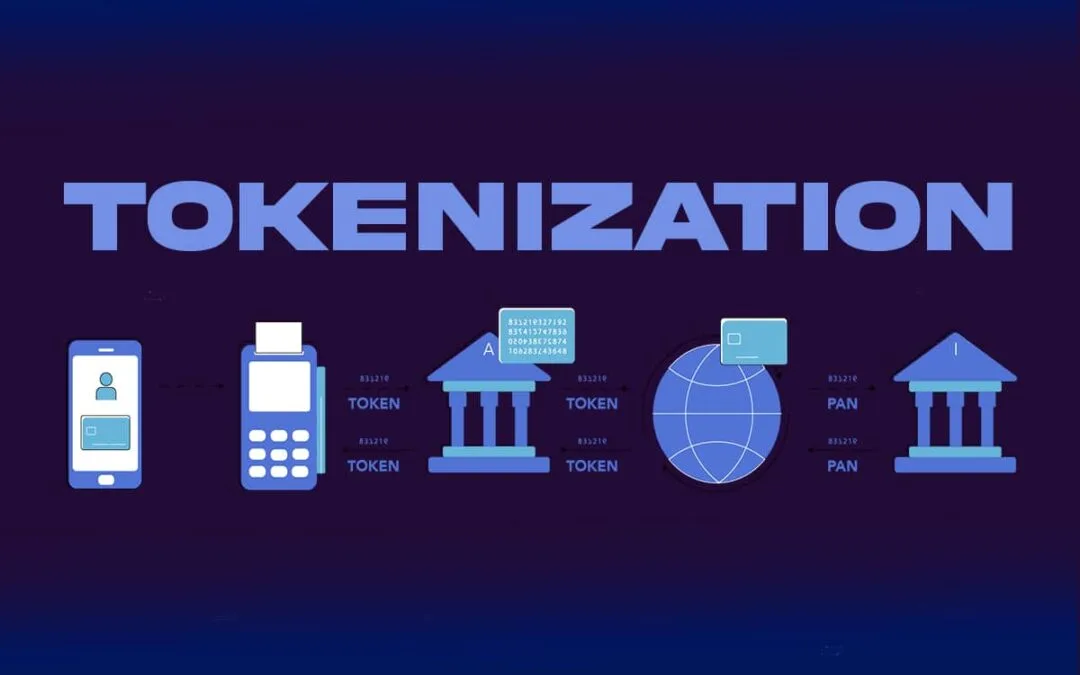
- The IMF warned tokenization’s success depends on strong policies, legal frameworks, and resilient market infrastructure as digital finance rapidly evolves.
- Tokenized deposits, stablecoins, and central bank reserves offer benefits while introducing distinct liquidity and operational risks.
- The report also stressed interoperability, smart contract oversight, and international coordination to reduce systemic risks and support sustainable tokenized markets.
The International Monetary Fund has warned that policy decisions will determine whether tokenization strengthens the financial system or creates new systemic risks. According to IMF Monetary and Capital Markets Director Tobias Adrian, governments and regulators must build strong legal frameworks and resilient market infrastructure as financial assets increasingly move onto shared digital ledgers.
Adrian explained that tokenization extends beyond faster payments and programmable assets. Instead, it changes how transactions are executed, cleared, and settled by allowing those processes to occur simultaneously through software. Consequently, financial institutions could improve efficiency while facing a different set of operational risks.
According to the IMF report, the shift also transfers key risks from traditional intermediaries to technology platforms, software providers, and market infrastructure operators. Therefore, policymakers must ensure governance standards evolve alongside the technology.
Also Read: Alert: XRP Wallet Flows on Binance Flips Negative After 1 Year – What Does this Mean?
Tokenized Assets Could Reshape Banking and Markets
The report identified three settlement assets emerging within a tokenized financial system. These include tokenized bank deposits, stablecoins, and tokenized central bank reserves. Each offers distinct benefits while presenting different policy and operational challenges.
Tokenized bank deposits preserve existing banking structures while supporting atomic settlement and more efficient liquidity management. However, continuous settlement also increases demand for real-time liquidity support across financial markets.
We're back on X.
— 36Crypto (@36Crypto1) August 21, 2026
Our previous account (36crypto2) is currently unavailable while we continue working through the appeal process. In the meantime, this is our new official account. While you are on this page, please support us by sharing and following.
Meanwhile, stablecoins provide programmability and broader global reach. Adrian noted that their reliability depends on reserve quality, market liquidity, and issuer resilience. Likewise, tokenized central bank reserves eliminate credit risk from settlement assets but require central banks to oversee programmable financial infrastructure.
Adrian also said tokenization will transform banks rather than replace them. Tokenized deposits could combine payments, treasury operations, and settlement services on shared ledgers. Additionally, tokenized lending could automate interest calculations, collateral management, and ongoing risk monitoring through smart contracts.
Infrastructure and Legal Standards Remain Essential
The IMF said capital markets could also benefit from tokenized securities that integrate issuance, trading, settlement, custody, and compliance within unified workflows. As a result, counterparty risk may decline, although liquidity demands and automated margin requirements could increase.
Adrian warned that permissioned shared ledgers may concentrate financial activity on fewer infrastructure providers. Consequently, cybersecurity failures or governance weaknesses could create broader systemic risks. He also stressed that interoperability between platforms remains essential because weak connections could trap liquidity and reduce market efficiency.
According to the report, regulators must also oversee smart contracts while legal systems clarify ownership rights, settlement finality, and jurisdictional standards. Adrian added that emerging economies could lower cross-border payment costs through tokenization. However, wider stablecoin adoption could accelerate capital flows and currency substitution without strong domestic regulations and international coordination.
The IMF said tokenization offers significant efficiency gains, but its long-term success will depend on effective regulation, resilient infrastructure, and coordinated global policies that balance innovation with financial stability.
Also Read: NOBLE Endorses CLARITY Act, Strengthening Support for Key Crypto Market Bill
