

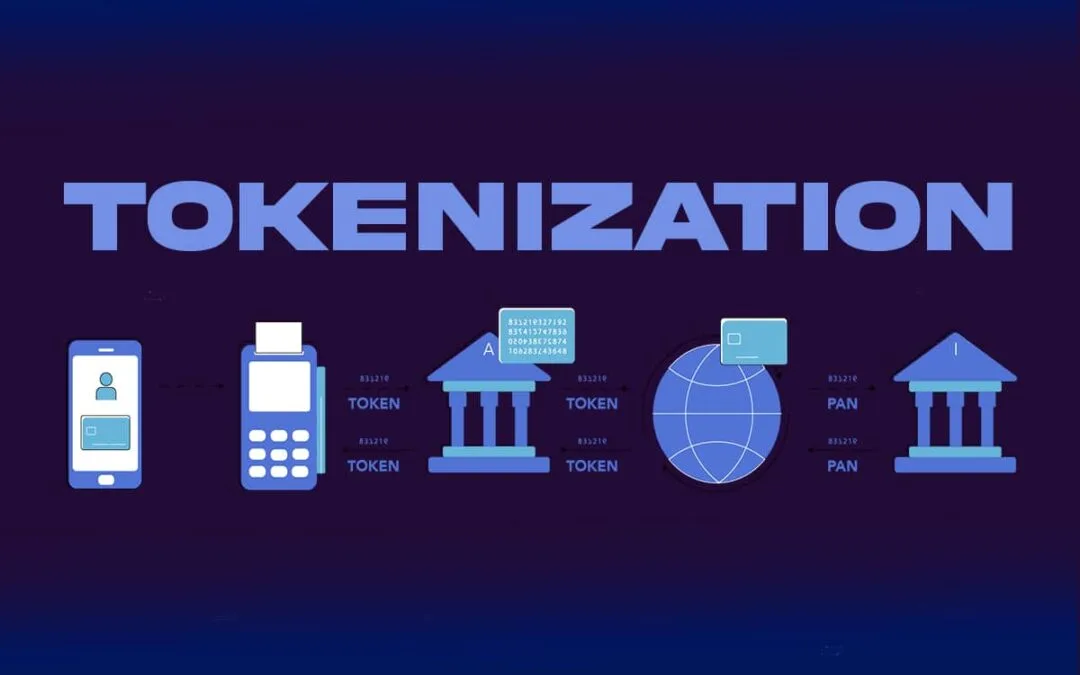
- Wells Fargo launches tokenized deposits for business clients, enabling continuous cross-border payments using digital representations of traditional bank deposits.
- The platform supports multiple blockchain networks, while planned expansion into additional currencies depends on customer demand and market adoption.
- WFUSD trademark filing covers blockchain payments, wallets, tokenization, staking, and smart contract services, highlighting a broader digital asset strategy beyond payments.
Wells Fargo will launch tokenized deposits for corporate and commercial clients this fall, expanding its blockchain-based payment services for cross-border transactions. According to The Wall Street Journal, the service will initially support U.S. dollar and British pound deposits, allowing businesses to transfer, program, and settle funds using digital representations of traditional bank deposits.
The new offering is designed for businesses that require faster international payments and greater flexibility when moving capital across markets. Moreover, tokenized deposits allow transactions to settle around the clock without depending entirely on conventional banking schedules.
According to The Wall Street Journal, Wells Fargo Chief Financial Officer Mike Santomassimo said the bank plans to add more currencies and expand into additional markets during 2027. However, the broader rollout will depend on customer demand and commercial adoption.
The initiative reflects the bank’s effort to strengthen payment infrastructure through blockchain technology while maintaining links to the traditional banking system. Consequently, corporate customers could gain more efficient treasury management and payment processing capabilities.
Also Read: XLM at $155B, XRP at $1.55T: Egrag Crypto Charts Interesting Upside Road Map
Wells Fargo aligns with growing bank tokenization efforts
We're back on X.
— 36Crypto (@36Crypto1) August 21, 2026
Our previous account (36crypto2) is currently unavailable while we continue working through the appeal process. In the meantime, this is our new official account. While you are on this page, please support us by sharing and following.
According to The Wall Street Journal, Wells Fargo joins a growing list of global banks adopting tokenized financial products. JPMorgan Chase and Citigroup have already introduced blockchain-based initiatives aimed at improving institutional payments and settlement efficiency.
Besides launching its own service, Wells Fargo confirmed that the platform will operate with the industry-backed tokenized deposit network expected to launch next year. Additionally, the system will remain compatible with other private blockchain networks, allowing businesses to access multiple settlement environments.
The broader banking industry has increasingly explored tokenization as institutions seek faster payment systems and improved operational efficiency. Hence, banks are investing in blockchain infrastructure that supports programmable transactions while reducing settlement delays.
Earlier this year, Wells Fargo also filed a trademark application for “WFUSD,” drawing attention across the digital asset industry. According to The Wall Street Journal, the application covers blockchain platforms, payment software, digital wallets, crypto trading, tokenization, staking, and smart contract services.
Although the filing sparked speculation about a potential U.S. dollar-backed stablecoin, Wells Fargo has not confirmed any plans to launch such a product. Instead, the trademark provides broad protection across several blockchain-related financial services.
Blockchain ambitions extend beyond payments
The tokenized deposit rollout highlights Wells Fargo’s broader investment in blockchain infrastructure for institutional banking. Moreover, compatibility with multiple blockchain networks provides flexibility as digital financial services continue evolving.
Growing participation from established financial institutions also demonstrates that tokenization is becoming a larger part of enterprise banking strategies. Businesses could benefit from faster settlements and more efficient cross-border payment capabilities as additional banks introduce similar services.
Conclusion
Wells Fargo is expanding its blockchain capabilities through tokenized deposits designed for corporate and commercial clients. The initiative strengthens its digital payments strategy while positioning the bank alongside major financial institutions investing in blockchain-powered banking infrastructure.
Also Read: Shiba Inu Whale Withdrawals Clash With Rising Exchange Balances as Key Resistance Holds
