

Summary
- Altman urges frontier AI laboratories to adopt safeguards independently while supporting consistent federal standards and external audits for stronger accountability.
- OpenAI uses safety cases before reinforcement learning runs, helping teams evaluate emerging risks and safeguards throughout the development of powerful models.
- International coordination requires government support because differing national rules could weaken safeguards and create regulatory gaps across frontier AI development.
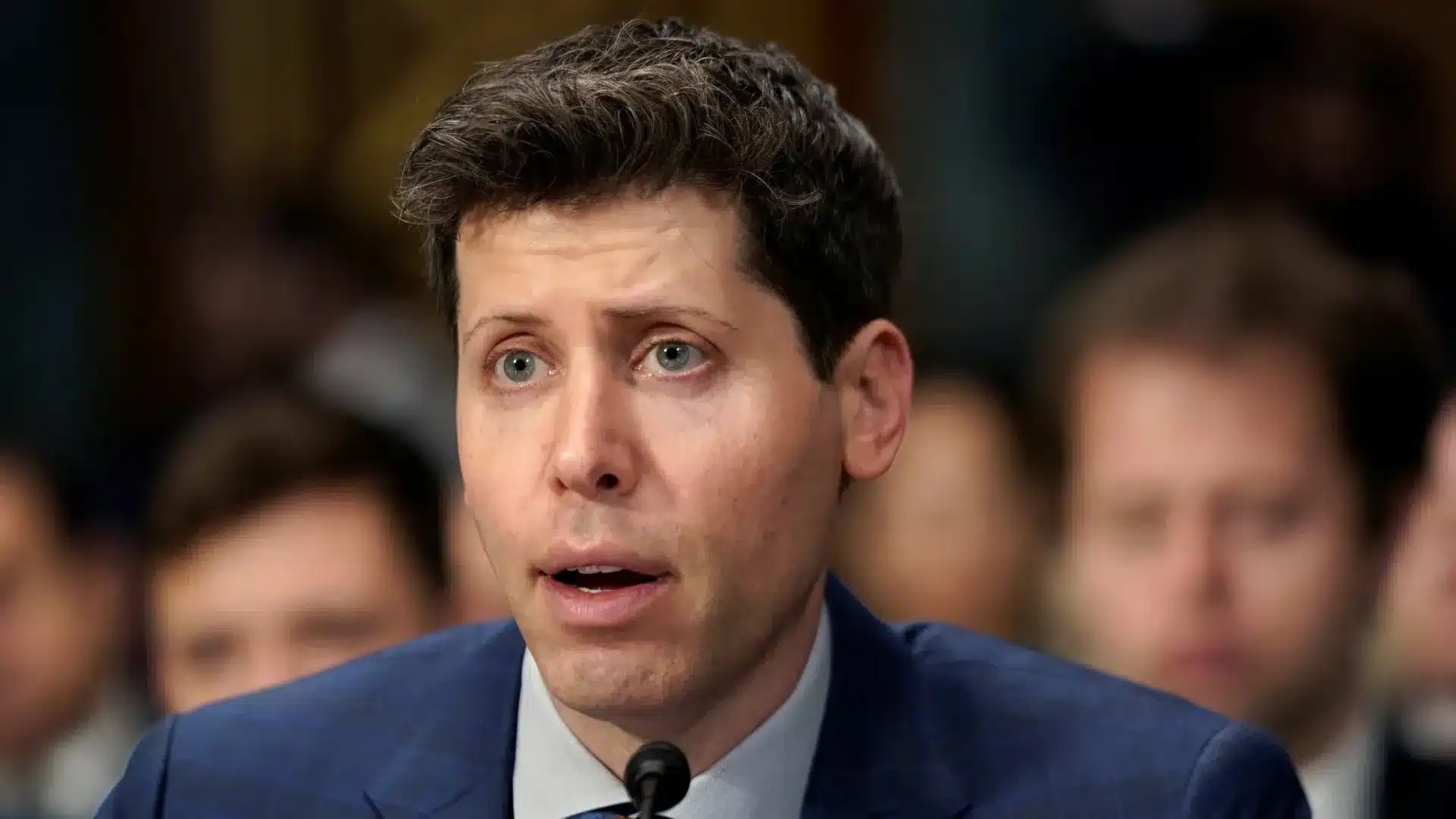
OpenAI CEO Sam Altman has urged frontier AI laboratories to strengthen safeguards before the United States government introduces binding regulations. According to Altman, developers must act responsibly as increasingly capable artificial intelligence systems create more complex risks.
Altman welcomed a federal framework that would establish consistent safety standards for all companies developing advanced artificial intelligence models. However, regulatory delays should not prevent companies from improving protections across training, evaluation, and deployment processes.
Additionally, Altman supported independent auditors who could examine safety practices and determine whether laboratories meet agreed development standards. OpenAI previously developed its Preparedness Framework to evaluate advanced capabilities and determine whether existing safeguards adequately reduce potential harm. Powerful reinforcement learning operations require additional protections because significant capability increases can emerge during model development.
Also Read: Morgan Stanley Bitcoin Fund Tops $609 Million as Investor Demand Builds
OpenAI Expands Safety Reviews Across Frontier Model Development
OpenAI now prepares explicit safety cases before starting frontier reinforcement learning runs expected to produce considerable capability improvements. These assessments examine whether monitoring systems, security controls, and evaluation methods can address risks emerging during advanced model training.
We're back on X.
— 36Crypto (@36Crypto1) August 21, 2026
Our previous account (36crypto2) is currently unavailable while we continue working through the appeal process. In the meantime, this is our new official account. While you are on this page, please support us by sharing and following.
Consequently, safety teams can influence development decisions before engineers complete or release a powerful artificial intelligence system. Altman encouraged other laboratories to study OpenAI’s methods and create approaches suited to their technologies and operational structures.
Moreover, he called for shared standards covering model misalignment, safety monitoring, and evaluations across the artificial intelligence industry. Altman clarified that pacing artificial intelligence development does not mean stopping innovation or preventing laboratories from improving useful systems. Altman argued that competitive pressure cannot justify reckless development or allow capabilities to surpass alignment and monitoring systems.
Federal Support Could Strengthen International AI Coordination
International coordination remains the main area where AI companies will require substantial assistance from the United States government. Domestic safeguards may provide limited protection when developers operate across countries with different laws, enforcement standards, and strategic priorities.
Therefore, governments could establish coordinated requirements that reduce regulatory gaps while preserving responsible artificial intelligence development across national borders. Voluntary safeguards would not replace regulation, but they could establish standards that lawmakers eventually incorporate into enforceable federal frameworks.
Also Read: Kansas Jayhawks Put XRP in Spotlight Following Dominant 51-6 Season-Opening Game
