
Summary
- Cardano founder Charles Hoskinson is developing a programming language combining transaction intents, proof-carrying data, and Groth16 cryptographic proofs for blockchain applications.
- The proposed language could strengthen transaction verification and privacy capabilities, while Cardano already supports Plutus, Aiken, and Midnight’s Compact language.
- Hoskinson previously considered Clojure before selecting Haskell for Cardano, while the new programming language remains without specifications or release details.
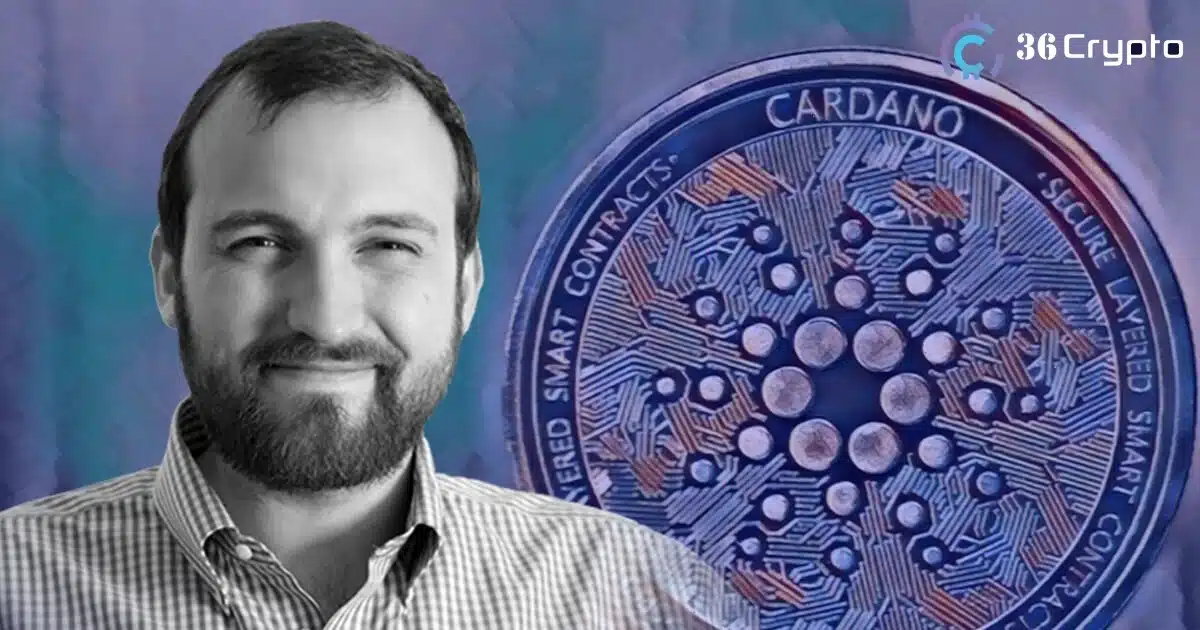
Cardano founder Charles Hoskinson is developing a new programming language designed to introduce advanced cryptographic capabilities into the blockchain ecosystem. According to Hoskinson’s recent X post, the language will combine transaction intents with proof-carrying data through Groth16 cryptographic proofs.
The project introduces another programming approach for Cardano, which already supports several languages for building decentralized applications and smart contracts. Hoskinson disclosed the development while responding to a community member seeking clarification about Cardano’s advantages as a decentralized blockchain platform.
“I’m actually personally developing a programming language for Cardano. It’s the first of its kind enabling intents + PCD via Groth16 proofs,” Hoskinson wrote.
Also Read: Anthropic’s $2 Trillion IPO Valuation Faces 25% Cut as AI Spending Concerns Grow
New Cardano Language Targets Transaction Intents and Cryptographic Proof Verification
The proposed language will incorporate transaction intents, allowing blockchain applications to express desired outcomes through defined execution conditions. Additionally, proof-carrying data enables information to include cryptographic evidence supporting its validity without exposing every underlying detail.
We're back on X.
— 36Crypto (@36Crypto1) August 21, 2026
Our previous account (36crypto2) is currently unavailable while we continue working through the appeal process. In the meantime, this is our new official account. While you are on this page, please support us by sharing and following.
Groth16 proofs are another component of the proposed architecture, offering a way to generate compact zero-knowledge cryptographic proofs. These capabilities could support applications requiring transaction verification, privacy protections, and more complex execution conditions within Cardano’s ecosystem.
Still, Hoskinson has not explained how the proposed features will interact with Cardano’s existing smart contract infrastructure. Cardano currently supports Plutus, which builds on Haskell, alongside Aiken, another language designed for smart contract development.
Meanwhile, Midnight, a privacy-oriented blockchain associated with Cardano, uses Compact for developing applications involving confidential information. Hoskinson recently disclosed work on a separate Midnight concept, describing the initiative as a major personal undertaking.
Hoskinson’s Previous Programming Language Choices Shape Cardano Development
Hoskinson’s programming language experience extends to Cardano’s original development architecture, which relied heavily on Haskell. In 2022, Hoskinson publicly recommended Haskell during an exchange about programming language preferences involving Elon Musk and Jack Dorsey.
By May 2024, Hoskinson revealed that Clojure had also received consideration during Cardano’s early architectural planning. The eventual selection of Haskell reflected available technologies, including Cloud Haskell, Liquid Haskell, and Agda.
During an April 2025 interview, Hoskinson acknowledged that a complete Cardano redesign might involve choosing another programming language. The newly disclosed project expands Cardano’s programming initiatives, although Hoskinson has not announced technical specifications, development milestones, or a release date.
Also Read: Jack McDonald: Early Life and Net Worth – The Ripple Executive Leading Stablecoin Operations
