

Summary
- Blockstream CEO Adam Back criticized Ethereum’s original architecture, arguing that Bitcoin’s UTXO model demonstrates stronger distributed systems design principles.
- Ethereum researchers explored transaction authorization improvements through EIP-8141, which introduces Frame Transactions to support account abstraction and cryptographic upgrades.
- Justin Drake warned about potential AI threats to cryptographic signatures, while Vitalik Buterin discouraged immediate wallet migrations despite security concerns.
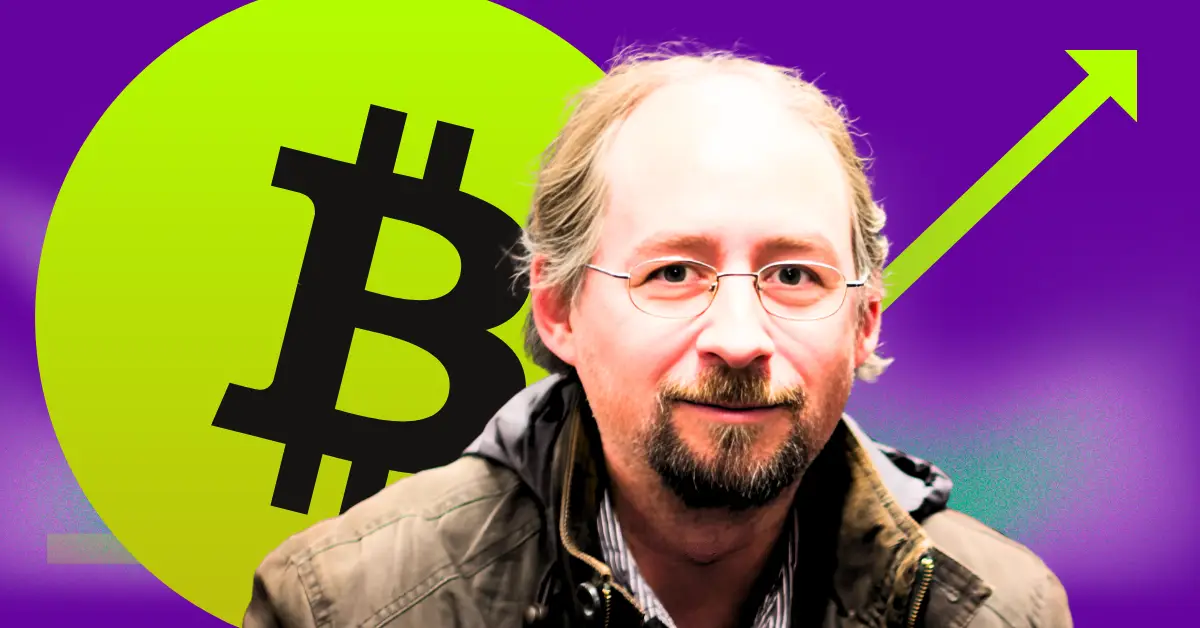
Blockstream CEO Adam Back criticized Ethereum’s blockchain architecture, accusing its early developers of disregarding warnings about design weaknesses. According to Back’s X post, Ethereum developers built their network around an architecture he considered flawed despite objections.
His criticism emerged alongside warnings from Ethereum researchers that artificial intelligence could threaten the cryptographic signatures securing cryptocurrency wallets. Back defended Bitcoin creator Satoshi Nakamoto’s choice of the Unspent Transaction Output (UTXO) model. He argued that Bitcoin’s design reflected an understanding of distributed systems and peer-to-peer networks.
Also Read: Ripple Prime Wins Major Brokerage Award at 2026 Hedgeweek US Awards
Bitcoin’s Transaction Model Draws Back’s Support
Bitcoin uses UTXOs to track spendable transaction outputs, which users consume when creating transactions that generate new outputs. Ethereum instead uses an account-based model, where transactions update balances and the states of smart contracts.
Back criticized Ethereum’s early architectural choices rather than identifying an exploit affecting its account system. His remarks referenced attempts to warn developers about the design decisions made during development.
We're back on X.
— 36Crypto (@36Crypto1) August 21, 2026
Our previous account (36crypto2) is currently unavailable while we continue working through the appeal process. In the meantime, this is our new official account. While you are on this page, please support us by sharing and following.
Ethereum researchers have explored changes to transaction authorization through proposals including EIP-8141, which introduces a format called Frame Transactions. That proposal aims to support native account abstraction and flexible authorization mechanisms for future cryptographic upgrades.
Justin Drake and Vitalik Buterin Address AI Risks
Ethereum researcher Justin Drake warned that artificial intelligence might accelerate mathematical breakthroughs capable of undermining existing digital signature schemes. According to Drake’s X post, a worst-case development could arrive within months rather than years, preceding practical quantum threats.
Drake encouraged large cryptocurrency holders to consider gradual transfers into new addresses as a precaution against potential exposure. Ethereum co-founder Vitalik Buterin opposed rushing into wallet migrations while recognizing the need to investigate emerging cryptographic risks.
Buterin urged developers to minimize exposure to cryptography vulnerable to quantum computing or potentially accelerated mathematical attacks involving AI. Neither researcher presented evidence that artificial intelligence had already compromised Bitcoin or Ethereum’s signature systems.
Their exchange addressed future threats, while Back’s criticism concerned the architectural foundations chosen by Ethereum’s developers. The debate highlighted separate questions about transaction design, wallet authorization, and how blockchain networks prepare for changes in cryptographic security.
Also Read: XRP Ledger Bug Could Have Allowed Hackers to Create Unlimited XRP, Developers Reveal
