

What to know:
- Brian Armstrong pushes tokenization expansion alongside uninterrupted global blockchain trading infrastructure.
- Stablecoin payments and AI advisory systems could reshape international financial accessibility.
- The Coinbase CEO urges crypto-friendly regulations supporting startups, wallets, and capital formation.
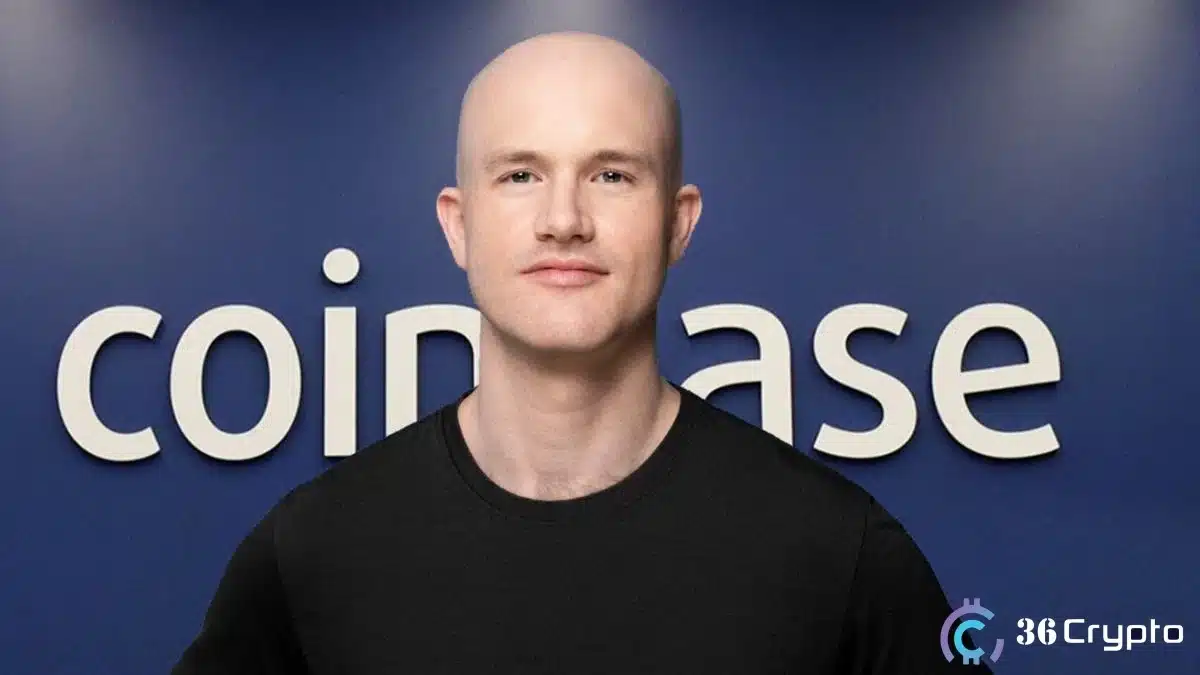
Coinbase CEO Brian Armstrong has outlined eight major areas where the global financial system still requires modernization through blockchain technology and digital assets. According to Armstrong, tokenization, stablecoin payments, and AI-driven finance remain largely underdeveloped despite growing crypto adoption worldwide.
Armstrong stated that blockchain infrastructure still lacks several important components needed for wider financial integration. He explained that technology innovation and policy development remain necessary before digital asset systems achieve broader adoption across global markets. Furthermore, he stressed that open financial access could eventually expand opportunities for users worldwide.
Tokenization and Stablecoin Payments Remain Major Blockchain Priorities
In his statement, Armstrong explained that tokenization could eventually transform ownership of assets, including stocks, bonds, real estate, and investment funds. He stated that on-chain settlement systems would improve transaction speed while also enabling fractional ownership for broader investor participation. Consequently, more users could gain exposure to markets previously dominated by institutions and wealthy investors.
Also Read: Dogecoin Reclaims $0.10 Ahead of Major DOGE Payment App Beta Launch
Armstrong also emphasized the need for an uninterrupted global trading infrastructure operating beyond traditional market hours. According to his remarks, blockchain networks could support continuous liquidity while improving capital efficiency across international markets. Moreover, he noted that global access to trading remains limited under current financial structures.
We're back on X.
— 36Crypto (@36Crypto1) August 21, 2026
Our previous account (36crypto2) is currently unavailable while we continue working through the appeal process. In the meantime, this is our new official account. While you are on this page, please support us by sharing and following.
Additionally, Armstrong highlighted stablecoins as a critical component of future payment systems. He explained that near-instant international transfers could significantly reduce costs for businesses and consumers. Besides that, he pointed toward growing interest surrounding agentic payments powered through artificial intelligence technologies.
Armstrong Calls for AI Integration and Crypto-Friendly Policies
Armstrong further argued that artificial intelligence could improve credit systems, compliance operations, and fraud prevention across financial markets. According to Armstrong, AI-powered advisory tools may eventually provide broader access to financial guidance previously available mainly to wealthier individuals. Consequently, more users could access capital and financial planning services globally.
Meanwhile, Armstrong criticized regulatory systems that continue to apply broad restrictions across blockchain companies regardless of risk differences. He stated that policymakers should adopt innovation-friendly frameworks encouraging competition while protecting consumers appropriately. Furthermore, he argued that outdated regulations continue to slow technological development within digital asset markets.
Blockchain Access and Startup Funding Remain Key Priorities
In addition to regulation, Armstrong stressed the importance of open blockchain protocols and self-custodial wallets for financial inclusion. He explained that reducing dependence on intermediaries could expand access to financial tools for users globally. Moreover, he stated that anyone with a smartphone could eventually participate more directly within modern financial systems.
Armstrong also linked blockchain infrastructure to startup funding and capital formation opportunities. He explained that lower fundraising costs could help entrepreneurs launch businesses more efficiently across different regions. Additionally, he described sound money as an important safeguard during periods of inflation and weakening discipline in fiat currencies.
In conclusion, Armstrong stated that significant technological progress and policy development remain necessary before these systems achieve wider adoption. His latest remarks reinforced growing expectations surrounding blockchain integration within traditional financial markets.
Also Read: Crypto Market Holds Firm as XRP and Bitcoin Extend Weekend Momentum
