

Summary:
- Japan’s regulatory clarity enabled banks to integrate XRP into financial products, creating practical blockchain services beyond speculative cryptocurrency trading.
- Evernorth’s analysis links SBI Ripple Asia and supportive regulations to deposit rewards, retail bonds, and XRP Ledger payment adoption.
- RLUSD integration and consistent regulation reinforced Japan’s long-term blockchain strategy, strengthening institutional confidence across banking, investments, and commercial payments.
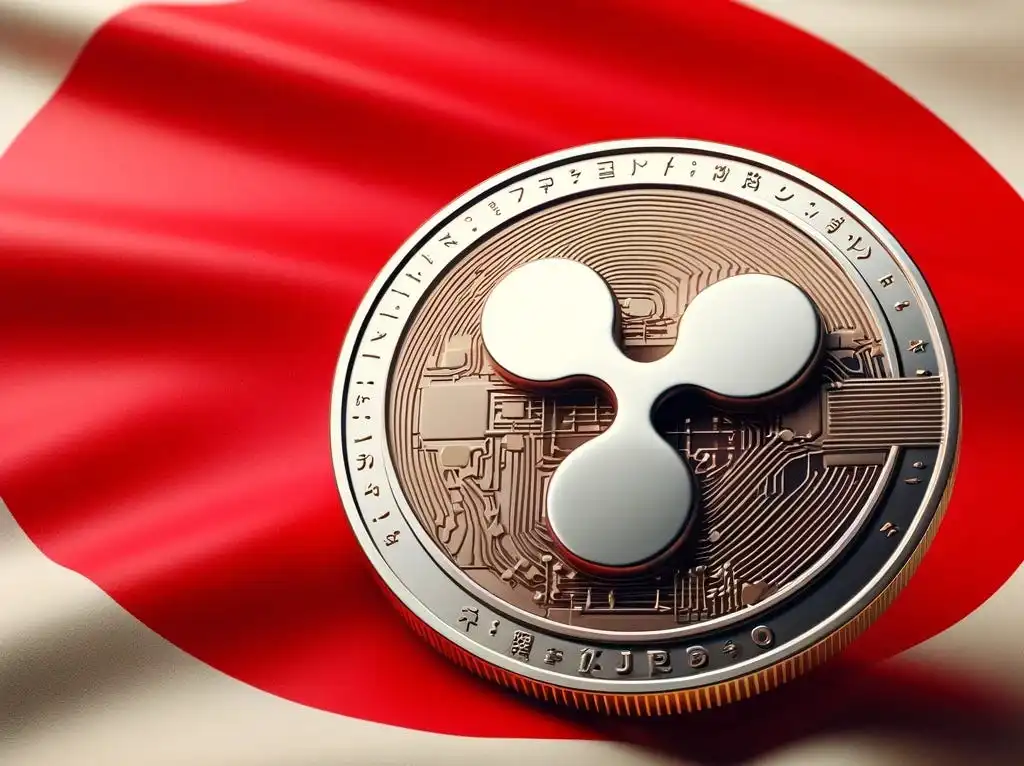
Japan built a banking framework around XRP years before many countries introduced clear cryptocurrency regulations, according to Evernorth. The firm’s latest analysis explains how early regulatory decisions allowed financial institutions to integrate XRP into practical financial services instead of limiting its use to speculative trading.
According to Evernorth, Japan’s strategy started in 2016 with the formation of the SBI Ripple Asia consortium. Moreover, XRP entered the Japanese financial market in 2017, allowing banks and businesses to develop blockchain-based payment solutions within a defined regulatory framework.
Japan’s Financial Services Agency also introduced clear digital asset regulations during the industry’s early development. Consequently, financial institutions gained confidence to invest in blockchain infrastructure without prolonged legal uncertainty. Meanwhile, many overseas markets spent years debating cryptocurrency regulation before approving broader institutional participation.
That regulatory approach encouraged banks and companies to develop services around XRP rather than delaying innovation. As a result, Japan steadily expanded blockchain adoption across financial products and commercial payment systems.
Also Read: Tether partners with Nairobi Securities Exchange to advance tokenized securities
Evernorth outlines XRP’s role in Japan’s banking sector
We're back on X.
— 36Crypto (@36Crypto1) August 21, 2026
Our previous account (36crypto2) is currently unavailable while we continue working through the appeal process. In the meantime, this is our new official account. While you are on this page, please support us by sharing and following.
According to Evernorth, regulatory certainty allowed XRP to move beyond investment markets into practical banking and business applications. Financial institutions introduced products incorporating XRP, while companies adopted blockchain technology for payment processing.
SBI Shinsei Bank allows eligible customers to receive returns on standard bank deposits in XRP. Additionally, SBI Holdings distributed retail bonds worth 10 billion yen, approximately $64 million, while rewarding investors with XRP incentives.
Besides investment products, businesses have also integrated XRP Ledger technology into commercial operations. Tobu Top Tours uses the network for domestic prepaid settlement services, helping reduce transaction costs through lower network fees and faster processing.
According to Evernorth, these developments demonstrate how legal certainty encouraged institutions to invest in blockchain infrastructure. Consequently, businesses and financial firms expanded digital asset services across different sectors of Japan’s economy.
RLUSD strengthens Japan’s digital asset ecosystem
The analysis also notes that Japan treated XRP as payment infrastructure rather than simply another cryptocurrency for trading. That distinction allowed banks and corporations to evaluate blockchain technology based on operational efficiency instead of market speculation.
Moreover, Japan has expanded its regulated digital asset ecosystem by supporting RLUSD integration on locally licensed platforms. According to Evernorth, that addition reflects the country’s long-term strategy of combining regulatory clarity with practical blockchain adoption across financial services.
The report argues that consistent regulation helped financial institutions develop blockchain products with greater confidence. Besides supporting innovation, the framework reduced uncertainty for companies seeking long-term digital asset investments.
Conclusion
Evernorth concludes that Japan’s decade-long commitment to regulatory clarity created an environment where XRP supports banking products, investment offerings, and commercial payments. That long-term strategy has positioned the country ahead of many markets that spent years resolving regulatory uncertainty before expanding institutional blockchain adoption.
Also Read: SEC Ready to Issue Crypto Rules if CLARITY Act Fails, Chair Atkins Says
