
Summary
- Litecoin’s controversial XRP joke sparked criticism from community members who questioned LTC’s declining market performance and relevance within cryptocurrency markets.
- Previous clashes between Litecoin and XRP supporters resurfaced, alongside Litecoin’s earlier defense of its decentralized structure and longstanding market presence.
- Litecoin trades around $56 despite recording substantial blockchain activity, while XRP remains near $1.30 amid broader cryptocurrency market weakness.
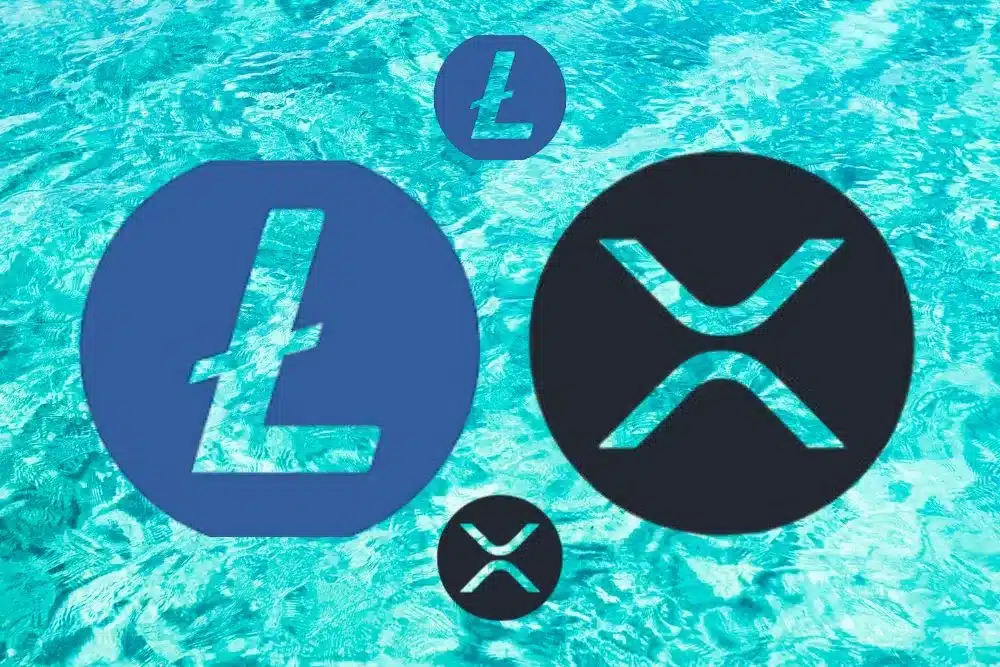
Litecoin has reignited its rivalry with XRP through a controversial November 5 social media post mocking the cryptocurrency, prompting criticism from supporters who questioned LTC’s declining market performance and relevance.
XRP Community Fires Back at Litecoin’s Latest Post
According to Litecoin’s official X account, the project shared a reaction clip featuring a controversial caption targeting XRP. The caption read, “Me finding out I can’t use the word retarded for XRP anymore.”
Also Read: Ripple Co-Founder Backed Crypto Project Faces XRP Community Backlash Over Token Sales
XRP supporters responded by criticizing Litecoin’s market performance, with several users comparing LTC against other established cryptocurrencies. One community member highlighted Zcash’s stronger performance, arguing that Litecoin has struggled to maintain its former market position.
Comparative market data shows Zcash has gained approximately 138% in 2026, while Litecoin has declined nearly 30%. Another supporter questioned Litecoin’s relevance, suggesting that its network had experienced limited adoption over the previous decade.
Litecoin’s Previous XRP Attacks Resurface
We're back on X.
— 36Crypto (@36Crypto1) August 21, 2026
Our previous account (36crypto2) is currently unavailable while we continue working through the appeal process. In the meantime, this is our new official account. While you are on this page, please support us by sharing and following.
The controversy follows similar exchanges between Litecoin and XRP supporters during August 2025. During that period, Litecoin mocked XRP’s banking ambitions and questioned expectations surrounding its potential role in international payments.
The account also ridiculed comparisons between XRP and SWIFT while calling Ripple CEO Brad Garlinghouse “Brad Garlicmouse.” Those remarks triggered criticism from XRP supporters, who accused Litecoin of repeatedly targeting their cryptocurrency community. Litecoin subsequently defended its posts, explaining that similar jokes had targeted Solana and Litecoin itself.
Litecoin Previously Defended Its Position in Crypto Market
As previously reported by 36Crypto, Litecoin’s official account defended its longstanding position within the cryptocurrency industry. In an October 2025 X post, Litecoin emphasized its history while rejecting comparisons with newer cryptocurrency projects.
The account declared that Litecoin existed before many competing projects and would remain operational regardless of criticism. Additionally, Litecoin described itself as sound money rather than a venture capital-backed project designed to generate investor profits.
Litecoin and XRP Market Performance Draws Comparisons
Meanwhile, the latest disagreement has revived comparisons between both cryptocurrencies as their prices remain considerably below historical peaks. Litecoin trades around $56, approximately 86% below its 2021 record, reflecting its prolonged struggle to recover earlier valuations.
Similarly, XRP trades near $1.30, representing a decline of approximately 29% since the beginning of 2026. Despite its weaker market performance, Litecoin maintains considerable blockchain activity, challenging claims that the cryptocurrency has become irrelevant.
According to BitInfoCharts, Litecoin recently processed approximately 154,000 transactions and recorded more than 218,000 active addresses. Additionally, the Litecoin Foundation reports that its blockchain has processed over 418 million transactions throughout its history.
Litecoin’s latest XRP joke has renewed tensions between both communities, bringing cryptocurrency performance and network adoption into their disagreement.
