
- Ripple partners Kyobo to bring tokenized bond settlement into Korea
- Tokenized bonds enable faster settlements and improved efficiency for institutions
- Ripple expands Asia presence through Korea deal and regional partnerships
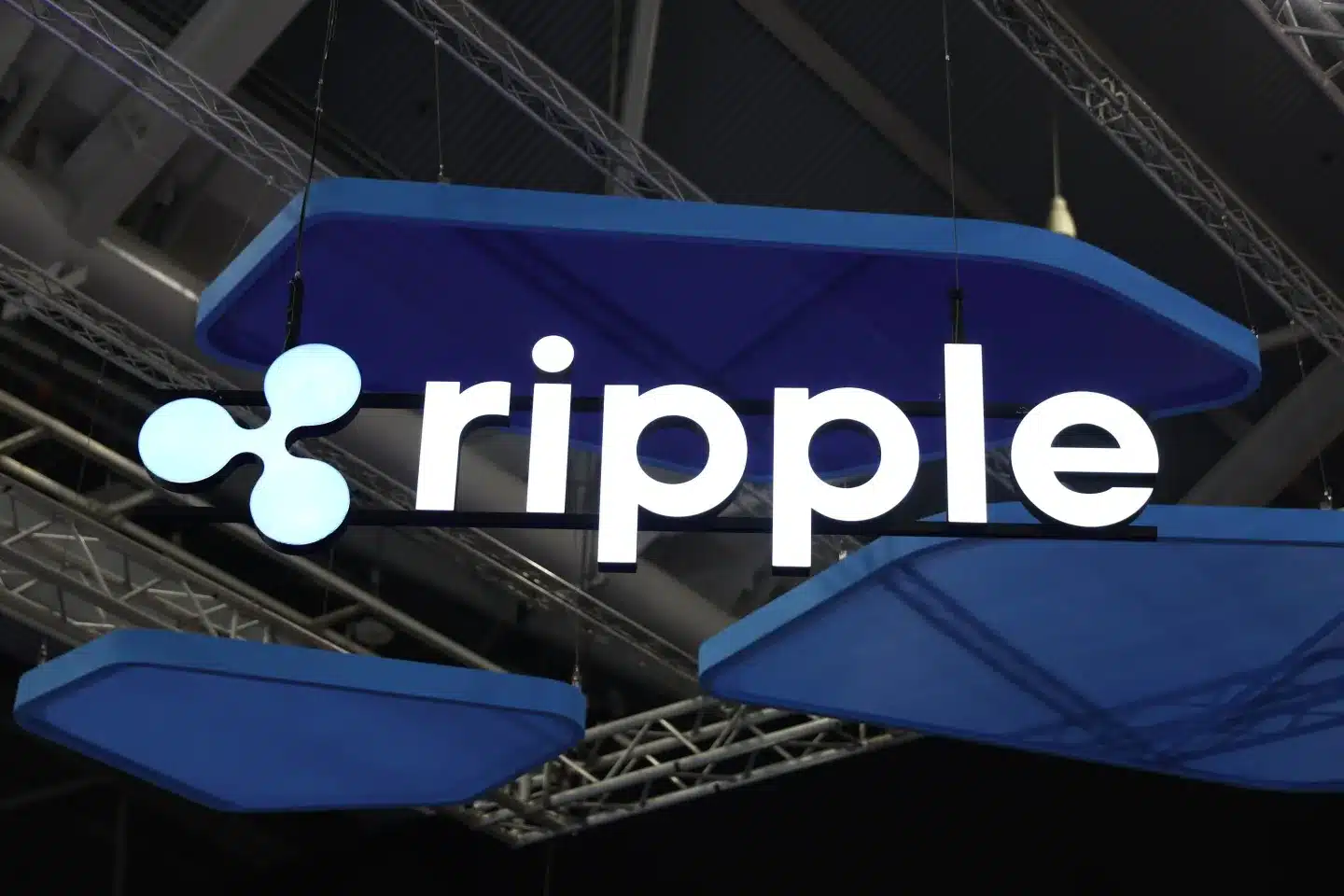
Ripple is strengthening its position in South Korea after securing a partnership with Kyobo Life Insurance. The collaboration focuses on introducing tokenized government bond transactions through Ripple’s custody infrastructure, marking a notable step toward modernizing financial market operations in the country.
According to a statement released on Wednesday, both firms will deploy Ripple Custody to manage digital representations of government bonds. This system will handle storage, transfers, and settlement processes, replacing traditional manual workflows. Consequently, the initiative aims to improve efficiency while reducing operational complexity across bond transactions.
Moreover, Ripple highlighted that its technology can reduce settlement times from the standard two-day window to near real-time execution. This shift could significantly lower counterparty risk, which often arises during delayed settlements. Additionally, faster processing may enhance capital efficiency for institutions, as funds become available sooner for reinvestment or other financial activities.
‘Also Read: Bitmine’s $3.8B Loss Deepens as Ethereum Bet Expands Despite Revenue Surge
Ripple Deepens Regional Strategy Through Institutional Blockchain Adoption
Ripple’s expansion into South Korea forms part of a broader strategy to strengthen its footprint across the Asia Pacific region. The company has continued to secure partnerships and regulatory pathways to support institutional blockchain adoption. In March, Ripple announced plans to acquire BC Payments to obtain an Australian Financial Services License, reinforcing its regulatory presence.
Meanwhile, the firm has also engaged with Singapore’s central bank through the BLOOM initiative. This program focuses on testing programmable cross-border settlements using blockchain infrastructure. Ripple contributed its XRP Ledger and its dollar-pegged stablecoin RLUSD to support these developments. Consequently, the company continues to position itself within key financial hubs across the region.
We're back on X.
— 36Crypto (@36Crypto1) August 21, 2026
Our previous account (36crypto2) is currently unavailable while we continue working through the appeal process. In the meantime, this is our new official account. While you are on this page, please support us by sharing and following.
In addition, Ripple revealed plans to explore stablecoin-based payment systems with Kyobo. These solutions could enable continuous transaction processing beyond standard banking hours. As a result, institutions may benefit from greater flexibility and improved liquidity management.
At the same time, adoption of XRP continues to grow across Asia. Japanese e-commerce firm Rakuten has integrated XRP into its Rakuten Wallet platform. Users can now purchase XRP using reward points and use it for payments across supported merchants. This development reflects increasing real-world utility for digital assets beyond trading.
XRP traded slightly lower over the past 24 hours, reaching $1.36. Despite the decline, it remains one of the largest cryptocurrencies by market capitalization, maintaining strong market relevance. Ripple’s partnership with Kyobo signals a steady shift toward tokenized financial infrastructure in South Korea, as institutions move to adopt faster and more efficient settlement systems.
Also Read: Ledger Unveils AI Security Roadmap to Keep Humans in Control
