

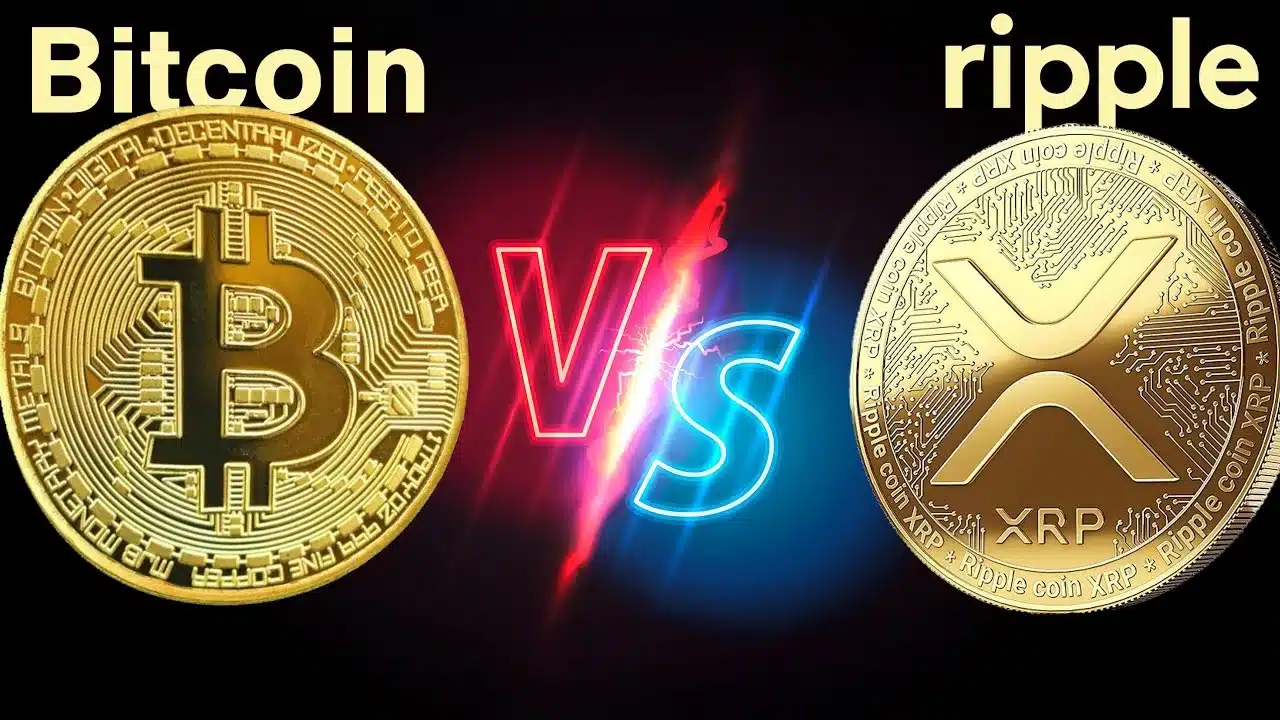
- Both XRP and Bitcoin pulled back after 2025 highs, but The Motley Fool argues Bitcoin is better positioned for a 2026 recovery.
- XRP has real payment utility, yet its upside is limited because Ripple Payments can function without XRP.
- Bitcoin’s store-of-value narrative and spot ETF adoption continue to drive institutional demand, giving it a structural advantage over XRP.
Both XRP and Bitcoin reached new record highs in 2025, but neither asset has been able to sustain that momentum. As investors scaled back their exposure to cryptocurrencies toward the end of the year, prices retreated, leaving markets to question which asset is better positioned for a recovery in 2026.
According to an analysis published by popular finance website The Motley Fool, the answer is clear. While XRP benefits from a real-world use case tied to global payments, Bitcoin’s growing role as a store of value continues to give it a structural advantage as it heads into the next market cycle.
Ripple Payments Gives XRP a Functional Edge
Ripple developed Ripple Payments, a global payments network designed to help banks move money across borders instantly. The system allows financial institutions using different payment infrastructures to transact directly, removing intermediaries that traditionally slow settlement times and increase costs.
XRP was created as a bridge currency within this system, standardizing transactions between institutions. By using XRP, banks can also reduce foreign exchange expenses.
Instead of converting U.S. dollars to euros, for example, a bank can transfer XRP with a transaction fee of just 0.00001 tokens, a fraction of a cent. This functionality makes XRP one of the few cryptocurrencies with a clearly defined utility beyond speculation.
Also Read: Bitcoin Slides Below Key Levels as Analyst Flags Risk-Off Shift and Fragile Market Structure
Regulatory Uncertainty Weighed on XRP for Years
We're back on X.
— 36Crypto (@36Crypto1) August 21, 2026
Our previous account (36crypto2) is currently unavailable while we continue working through the appeal process. In the meantime, this is our new official account. While you are on this page, please support us by sharing and following.
Despite its technical advantages, XRP’s growth was hindered by regulatory challenges. In 2020, the U.S. Securities and Exchange Commission filed a lawsuit against Ripple, arguing that XRP should be classified as a security.
Because Ripple distributes XRP to banks and institutions, the SEC claimed the token resembled traditional financial instruments such as stocks or bonds.
The lawsuit placed sustained pressure on XRP’s price for several years. Investor sentiment improved following Donald Trump’s election victory in November 2024, as he campaigned on a pro-crypto platform.
By July 2025, XRP reached a new high for the first time in seven years, fueled by expectations of a settlement with the SEC. That settlement was finalized in August 2025, removing a major legal overhang. Even so, XRP has since fallen roughly 45% from its peak, raising questions about its long-term upside.
Bitcoin’s Store-of-Value Narrative Gains Strength
Bitcoin’s appeal is rooted in a different narrative. While it is rarely used for everyday payments, it has increasingly been embraced as a digital store of value. This perception has been reinforced by the launch and rapid adoption of spot Bitcoin exchange-traded funds (ETFs).
These ETFs have given financial advisors and institutional investors a regulated and familiar way to gain exposure to Bitcoin. Previously, investors were forced to rely on digital wallets or centralized exchanges, both of which carry risks ranging from hacking to platform failures.
ETFs have significantly lowered those barriers, broadening Bitcoin’s investor base. According to The Motley Fool, this structural shift has been a major catalyst for Bitcoin’s gains in recent years and is unlikely to reverse in 2026.
Why Ripple’s Success May Not Lift XRP
While Ripple Payments continues to gain attention, its growth does not necessarily translate into higher demand for XRP. The network allows banks to settle transactions using fiat currencies, meaning institutions can benefit from faster payments without holding the cryptocurrency itself.
Additionally, Ripple introduced its own stablecoin, RLUSD, in late 2024. Designed for transactions, RLUSD avoids the volatility that characterizes XRP.
Since XRP’s price can fluctuate significantly even within short timeframes, banks face potential losses during holding periods. The availability of a stable alternative may reduce incentives to use XRP for payments. This dynamic may help explain XRP’s recent underperformance despite positive regulatory developments.
So, Which is the Better Buy?
According to The Motley Fool, XRP’s real-world use case is not enough to guarantee price appreciation in 2026. The ability to use Ripple Payments without XRP, combined with the rise of Ripple USD, limits the token’s upside potential.
Bitcoin, by contrast, continues to benefit from growing institutional acceptance as a store of value. That trend has been a consistent driver of demand and is expected to remain intact next year. For those reasons, the analysis concludes that Bitcoin is a stronger buy than XRP for 2026, regardless of how the broader cryptocurrency market performs.
Also Read: The XRP Quiet Shift Few Are Watching – Ripple CTO Gives Insight
