

What to know:
- Banking lobby influence reshapes stablecoin rules, limiting user yield opportunities
- Peter Schiff warns new laws weaken stablecoin adoption and appeal
- Crypto firms resist regulations as banks tighten control over digital assets
A new Senate provision introduced strict limits on how stablecoin issuers distribute yield to users across digital dollar platforms. As a result, the shift has triggered strong reactions across the crypto sector while also drawing renewed attention to the growing influence of traditional financial institutions over policy direction.
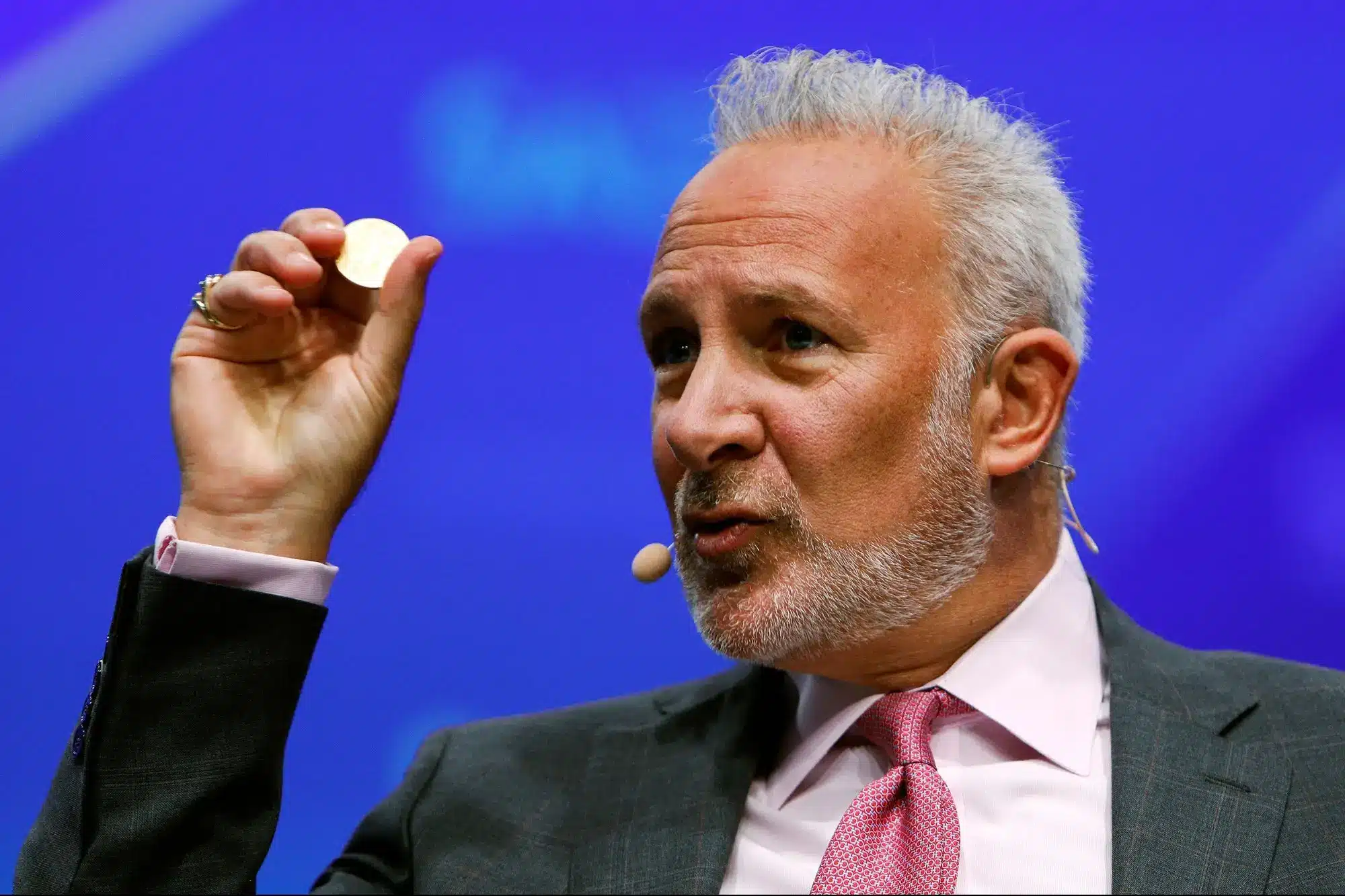
According to Peter Schiff, the latest legislative changes signal a decisive victory for banks, as he stated on X, that the banking lobby has successfully outweighed the influence of the crypto industry in Washington. His remarks reinforce the argument that regulatory outcomes are increasingly shaped by concerns from legacy financial systems rather than innovation within digital asset markets.
Schiff further explained that the proposed rules prevent stablecoin issuers from paying interest directly to users holding these assets, which significantly alters the value proposition of stablecoins as financial tools. Instead of passing returns to holders, issuers will retain any yield generated from reserves, which consequently reduces the attractiveness of stablecoins for users seeking passive income opportunities.
Moreover, he noted that allowing issuers to share yield with users could have accelerated adoption across both retail and institutional segments, as competitive returns would likely attract more capital into stablecoin ecosystems. However, the current framework limits that possibility, reinforcing his view that the policy shift represents a structural setback for crypto-based financial innovation.
Also Read: Alert: Binance to Delist XRP and Other Altcoin Trading Pairs – Details
Stablecoin Restrictions Reinforce Banking Sector Influence Over Crypto Growth
We're back on X.
— 36Crypto (@36Crypto1) August 21, 2026
Our previous account (36crypto2) is currently unavailable while we continue working through the appeal process. In the meantime, this is our new official account. While you are on this page, please support us by sharing and following.
Meanwhile, Coinbase has openly opposed the revised Senate compromise, with reports indicating that the company informed lawmakers it cannot support the legislation in its current form due to concerns over its long-term impact on the industry. This resistance highlights a widening gap between crypto firms and policymakers as regulatory clarity continues to evolve under pressure from competing interests.
Additionally, the updated provisions only allow activity-based rewards rather than traditional yield on stablecoin balances, which directly affects major products such as USDC issued by Circle, thereby limiting their ability to function as yield-generating instruments. Following the announcement, Circle’s stock declined by approximately 15%, reflecting investor concerns about reduced growth potential under the new regulatory environment.
Furthermore, traditional banks have consistently opposed yield-bearing stablecoins because of the risk that customers could shift deposits away from conventional accounts into digital assets offering higher returns, which would directly impact bank liquidity. Consequently, lawmakers appear to have balanced innovation with financial stability, although critics argue that this balance heavily favors established institutions.
At the same time, Donald Trump’s administration has expressed confidence that negotiations will still produce a workable outcome, suggesting that ongoing discussions may lead to adjustments in the final framework. Patrick Witt, a senior advisor involved in digital asset policy, also pushed back against rising concerns by describing the current market reaction as driven by uninformed fear while maintaining an optimistic outlook.
Conclusion
The evolving regulatory landscape highlights an ongoing struggle between financial innovation and traditional banking influence, with stablecoin yield restrictions emerging as a key battleground that could shape how digital assets integrate into regulated markets.
Also Read: Crypto Market Slides as Major Coins Drop While Select Altcoins Surge
