

In brief:
- Ripple CEO Brad Garlinghouse urged Congress to pass the Clarity Act despite Senate resistance, backing stronger consumer protections and regulatory certainty.
- Alderoty argued that the bill strengthens AML KYC standards while expanding enforcement powers against bad actors nationwide through clearer federal rules.
- Coinbase CEO Brian Armstrong backed Senate consideration, warning that regulatory uncertainty pushes innovation offshore while harming consumer protection.
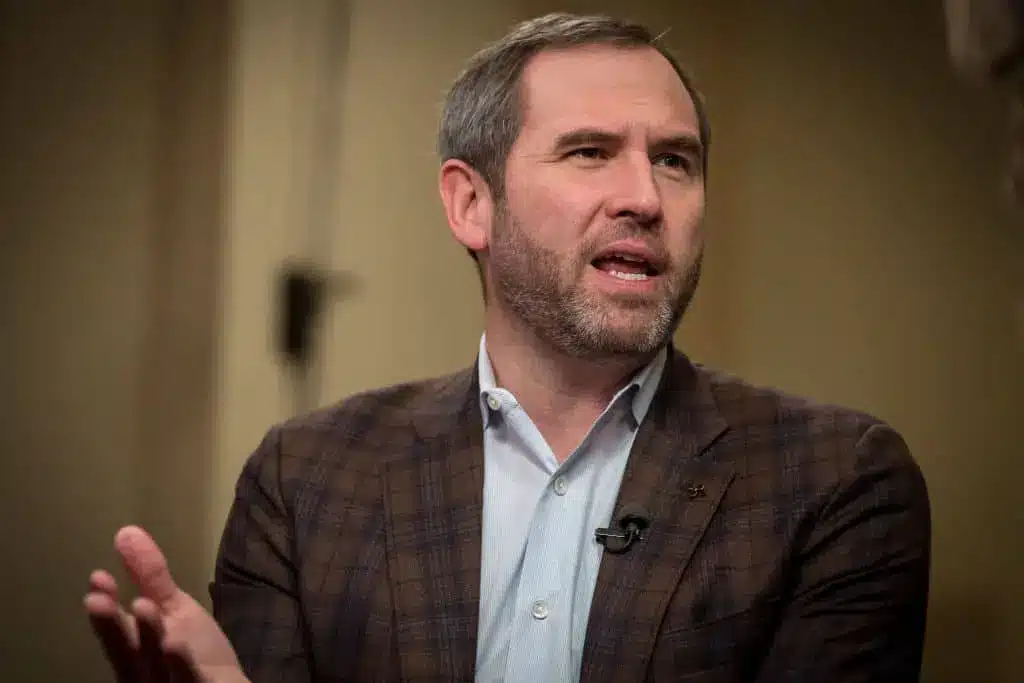
Ripple CEO Brad Garlinghouse has urged Congress to pass the Digital Asset Market Clarity Act despite growing resistance in the Senate. According to Ripple Chief Legal Officer Stuart Alderoty, lawmakers should not allow political disagreements to block legislation that would establish clear rules for the digital asset industry.
Garlinghouse voiced his support in response to Alderoty’s post on X, agreeing that lawmakers should move the bill forward instead of waiting for a perfect proposal.
“My thoughts exactly. Perfect can’t be the enemy of good. Let’s get this done!” Garlinghouse wrote.
According to Alderoty, the Clarity Act would strengthen consumer protection by introducing federal standards for digital assets. He explained that the legislation also includes stronger anti-money laundering and know-your-customer requirements alongside expanded enforcement authority for law enforcement agencies and state attorneys general.
Moreover, Alderoty argued that failing to pass the bill would leave consumers exposed to unclear regulations. He added that regulatory gaps would allow bad actors to exploit the existing system once again.
Also Read: AFX Offers Hacker a 30% Bounty Following $24M Bridge Exploit on Arbitrum
Industry leaders defend the legislation
Garlinghouse’s comments arrived as the legislation faces increasing political resistance in the Senate. Several Democratic senators have opposed the latest version of the bill, creating fresh uncertainty over its prospects.
The lawmakers include Maryland Senator Angela Alsobrooks, New Jersey Senator Cory Booker, Nevada Senator Catherine Cortez Masto, and Arizona Senator Ruben Gallego. Additionally, expectations for the legislation have weakened, with estimates placing its chances of becoming law this year slightly above 40% as per Polymarket data.
According to Joshua Riezman of GSR, disagreements outside the bill’s primary objective should not prevent broader market structure reforms. He argued that rejecting the proposal would preserve regulatory uncertainty instead of improving oversight.
Furthermore, Riezman warned that prolonged delays could push digital asset innovation beyond the United States. He also noted that lawmakers risk wasting years of bipartisan negotiations if they fail to advance the legislation.
Coinbase joins push for Senate approval
Coinbase CEO Brian Armstrong also backed the Clarity Act and urged senators to bring the legislation to a full floor vote. According to Armstrong, the proposal reflects thousands of hours of bipartisan negotiations between lawmakers and industry participants.
He argued that the current regulatory framework has failed to protect consumers while encouraging many digital asset businesses to operate outside the United States. Besides, Armstrong pointed to FTX as an example of the consequences created by regulatory uncertainty. He maintained that a clear federal framework would improve consumer protection and strengthen oversight.
He also argued that digital assets have become a permanent part of the financial system. Therefore, he urged lawmakers to establish consistent federal rules that support innovation while protecting consumers.
Garlinghouse, Alderoty, Armstrong, and other industry figures have united behind the Clarity Act as Senate opposition grows. Although political divisions remain, supporters argue that passing the legislation would provide long-awaited regulatory clarity and stronger consumer protections for the U.S. digital asset market.
Also Read: South Korea Mirae Asset Raises Korbit Stake to 97% After Acquisition Deal Closes
