

Summary
- Vitalik Buterin highlighted how Bitcoin mining divides expenses between hardware and electricity, while AI inference costs mainly involve computing equipment.
- Bitcoin miners rely on specialized ASIC machines and substantial electricity supplies to secure the network and compete for mining rewards.
- AI inference providers prioritize advanced computing infrastructure to process requests, reflecting different operational requirements and spending patterns across both industries.
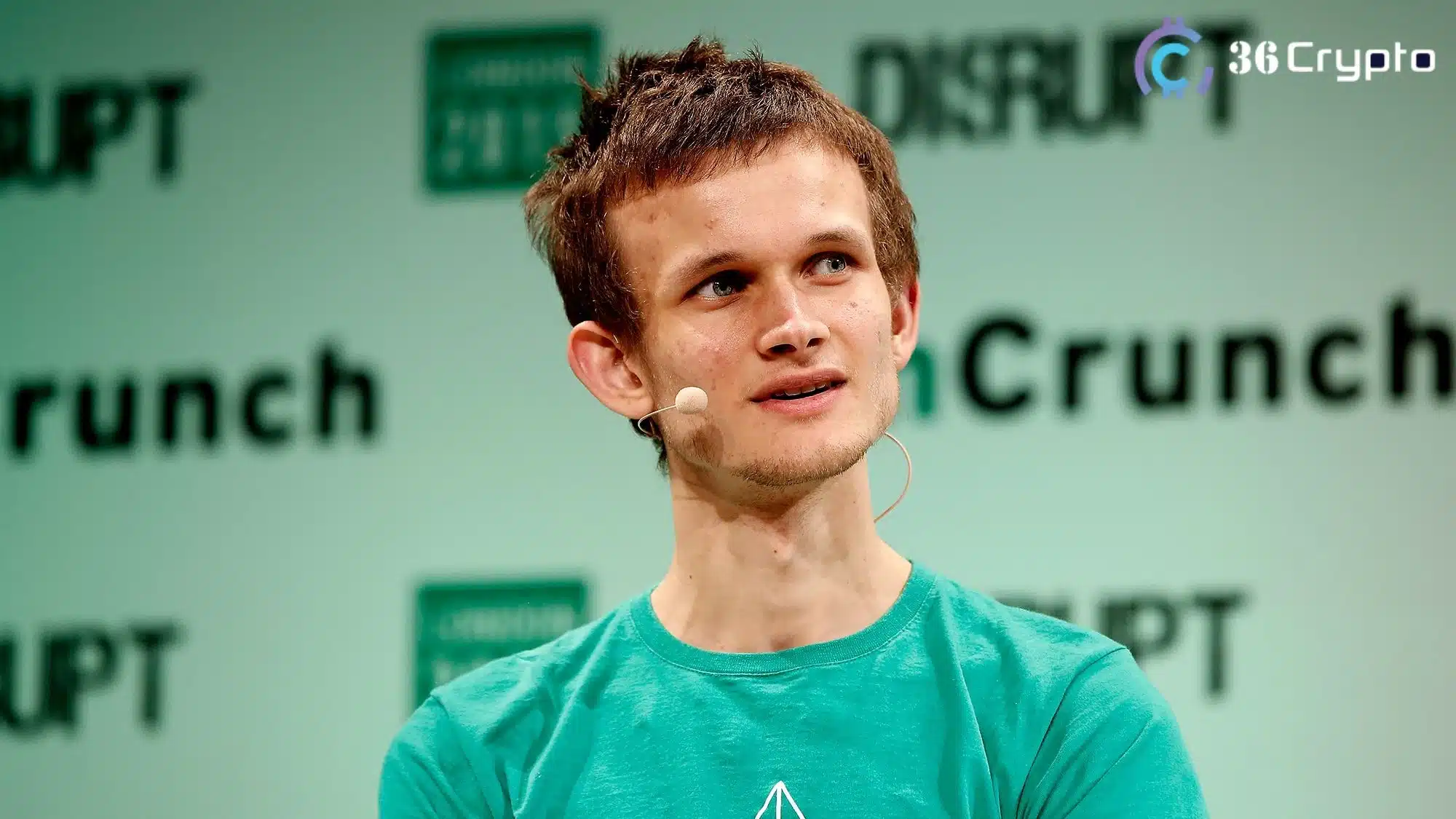
Ethereum co-founder Vitalik Buterin has highlighted a major difference in how Bitcoin mining and AI operations allocate computing costs. The comparison reveals how hardware investments and electricity costs influence the financial structures of both industries.
According to Buterin, Bitcoin mining expenses are divided almost equally between computing equipment and electricity consumption. AI inference operates differently, with hardware investments accounting for nearly all computing costs under Buterin’s comparison.
This distinction highlights how industries that depend on powerful computing systems face different financial requirements despite relying on similar resources.
Bitcoin miners must invest in specialized machines while maintaining reliable electricity supplies to support their operations. Meanwhile, AI companies allocate a larger share of inference expenses toward computing equipment and supporting infrastructure.
Also Read: XRP Google Searches Plunge 90% as Retail Interest Fades Despite Price Stability
Bitcoin Mining Faces Higher Electricity Costs Than AI Inference
We're back on X.
— 36Crypto (@36Crypto1) August 21, 2026
Our previous account (36crypto2) is currently unavailable while we continue working through the appeal process. In the meantime, this is our new official account. While you are on this page, please support us by sharing and following.
Buterin explained that Bitcoin mining requires substantial hardware investments alongside electricity payments to support its proof-of-work consensus mechanism. Mining companies purchase application-specific integrated circuits, commonly known as ASICs, to perform the calculations required for Bitcoin mining.
These machines compete to solve cryptographic problems, allowing successful miners to earn block rewards and transaction fees. Electricity represents another major expense because mining equipment operates continuously while competing against participants across the Bitcoin network.
As a result, miners must consider equipment purchases and energy consumption when calculating operational expenses and potential profitability. Higher electricity prices can increase mining costs, while more efficient machines can reduce the energy required for computational work.
In contrast, AI inference involves running trained artificial intelligence models to generate responses, process information, and complete computing tasks. Buterin identified computing hardware as the dominant expense in this process, distinguishing AI inference from Bitcoin mining’s more balanced spending structure.
AI companies rely on advanced processors and computing systems that can handle large numbers of requests across their platforms. Consequently, hardware investments account for a larger proportion of AI inference expenses than electricity consumption in Buterin’s comparison.
Hardware Investments Shape Bitcoin and AI Operating Costs
The comparison also highlights how Bitcoin mining and AI inference use computing resources to achieve different operational objectives. Bitcoin miners dedicate computational power to securing the blockchain and competing for rewards through the network’s consensus mechanism.
AI inference providers instead use computing infrastructure to process requests through models that have already completed their training stages. Both industries require substantial infrastructure investments, but their spending patterns differ because their computing activities serve separate purposes.
Significantly, Buterin’s comparison identifies electricity as a major financial consideration for Bitcoin miners, while hardware spending dominates AI inference economics. The distinction shows how computing requirements influence infrastructure spending across Bitcoin mining and artificial intelligence operations.
Also Read: XRP Ledger Bug Could Have Allowed Hackers to Create Unlimited XRP, Developers Reveal
