

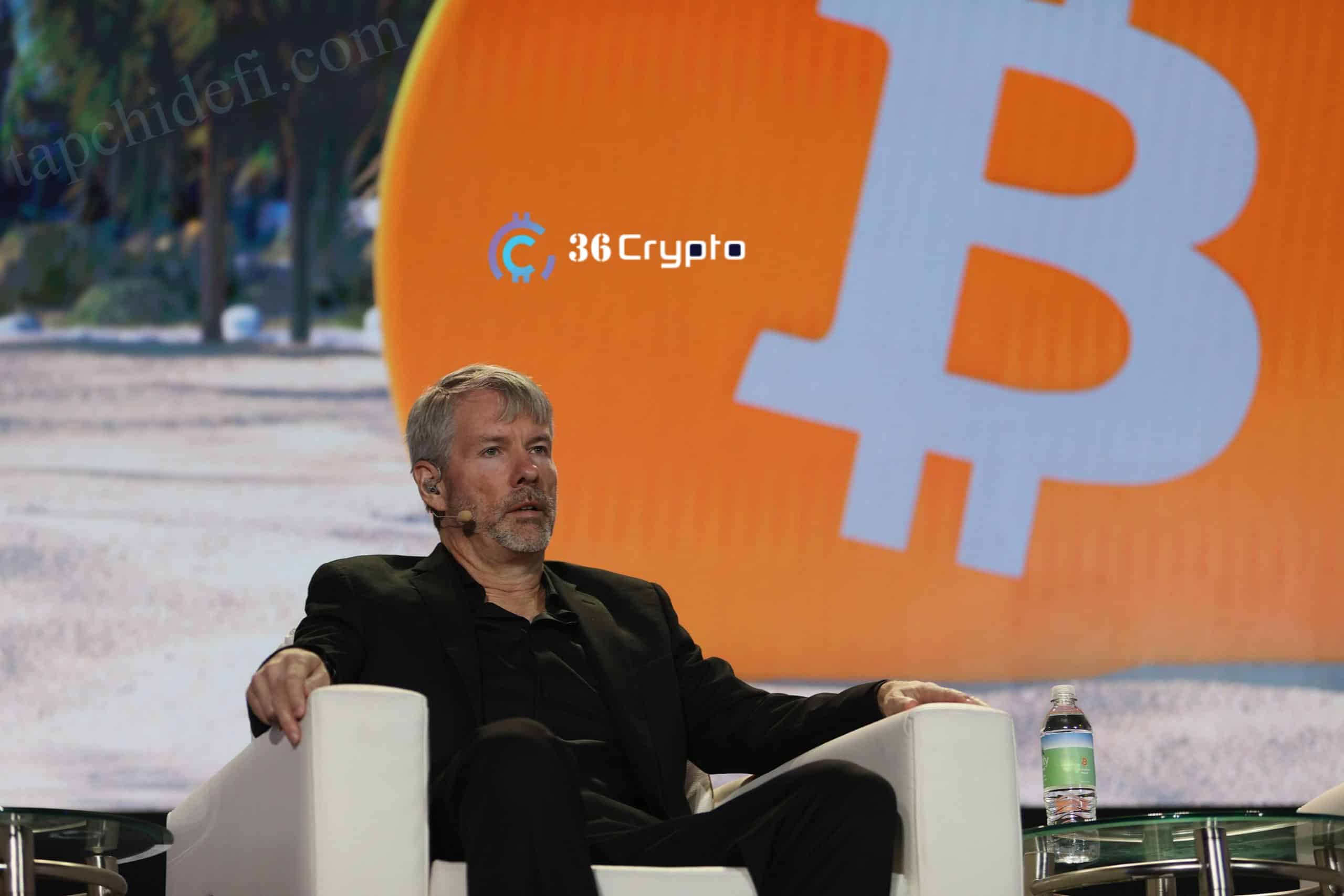
- Saylor urged Bitcoin holders to prioritize unity over ongoing disputes.
- Quantum computing concerns revived discussions about Bitcoin’s future security.
- Developers proposed new safeguards while adoption remains Saylor’s priority.
Michael Saylor is urging the Bitcoin community to remain united, saying disagreements over a small fraction of issues should not distract from the cryptocurrency’s global adoption opportunity. According to the Strategy executive chairman, Bitcoin supporters agree on the principles and goals that have defined the network for more than a decade. However, he warned that ongoing disputes over a handful of topics risk drawing attention away from the bigger picture.
In a message shared on X, Saylor stated that Bitcoiners agree on “99% that matters.” He added that the remaining differences should not create division while Bitcoin continues attracting new participants across the world. According to Michael Saylor, most global capital has yet to enter Bitcoin’s monetary network. Consequently, he believes the industry’s primary focus should remain on adoption and growth rather than internal disagreements.
“Bitcoiners agree on the 99% that matters. We shouldn’t let the 1% divide us while nearly all global capital has yet to enter Bitcoin’s monetary network. The opportunity is bigger than the argument,” Saylor wrote.
Also Read: Crypto Mom Hester Peirce to Exit SEC as Digital Asset Rules Take Shape in US Now
Quantum Computing Debate Gains Attention
Saylor’s comments come as discussions surrounding Bitcoin’s long-term security continue across the developer community. One of the most debated issues involves the potential impact of quantum computing on Bitcoin. Researchers and developers have spent months examining how future advances in computing technology could affect the network’s security framework.
The discussion gained momentum following research from Google Quantum AI. The study suggested that sufficiently powerful quantum computers could eventually derive private keys from exposed public keys within a matter of minutes.
We're back on X.
— 36Crypto (@36Crypto1) August 21, 2026
Our previous account (36crypto2) is currently unavailable while we continue working through the appeal process. In the meantime, this is our new official account. While you are on this page, please support us by sharing and following.
As a result, attention has shifted toward Bitcoin addresses that may face risks if quantum technology advances significantly in the future. Estimates indicate that nearly 6.9 million BTC are held in addresses with exposed public keys.
Developers Advance Protection Proposals
Several developers have proposed solutions designed to address potential quantum-related risks. Among the most notable proposals is BIP-361, developed by Jameson Lopp and other contributors. The proposal would allow users to prove ownership of migrated Bitcoin through quantum-resistant methods without exposing private keys.
Additionally, Paradigm researcher Dan Robinson introduced PACTs. The proposal would allow holders to create timestamped ownership claims today and move funds later without publicly revealing sensitive information. Supporters view these initiatives as proactive measures that could strengthen Bitcoin’s long-term security. Nevertheless, developers continue debating the most effective path forward.
Saylor Keeps Attention on Adoption
Despite the differing opinions, Saylor believes the debate should remain secondary to Bitcoin’s broader mission. He argued that the community remains united on the issues that have contributed to Bitcoin’s success over the years. Moreover, he stressed that the network still has substantial room for expansion as institutional and retail adoption continues to grow.
For Saylor, preserving unity is essential as Bitcoin moves through the next phase of its development. While technical discussions will continue, he believes the opportunity ahead is far greater than the disagreements currently dividing participants.
Saylor’s latest message highlights a growing effort to keep the Bitcoin community focused on long-term adoption rather than internal disputes. Although the quantum computing debate remains active, he maintains that Bitcoin’s shared vision and future growth potential remain the priorities that matter most.
Also Read: Shiba Inu Sees 28 Billion SHIB Leave Exchanges as Accumulation Grows
