

- BIS warns stablecoins behave like ETFs, raising global regulatory concerns
- $300B stablecoin market growth sparks fears over financial stability risks
- Global regulators push coordination as stablecoin adoption accelerates worldwide
Rising activity in the stablecoin market has prompted renewed warnings from global financial authorities. The Bank for International Settlements has signaled that the sector’s rapid growth could introduce new risks. According to Reuters, the institution views stablecoins as instruments that behave more like financial assets than money.
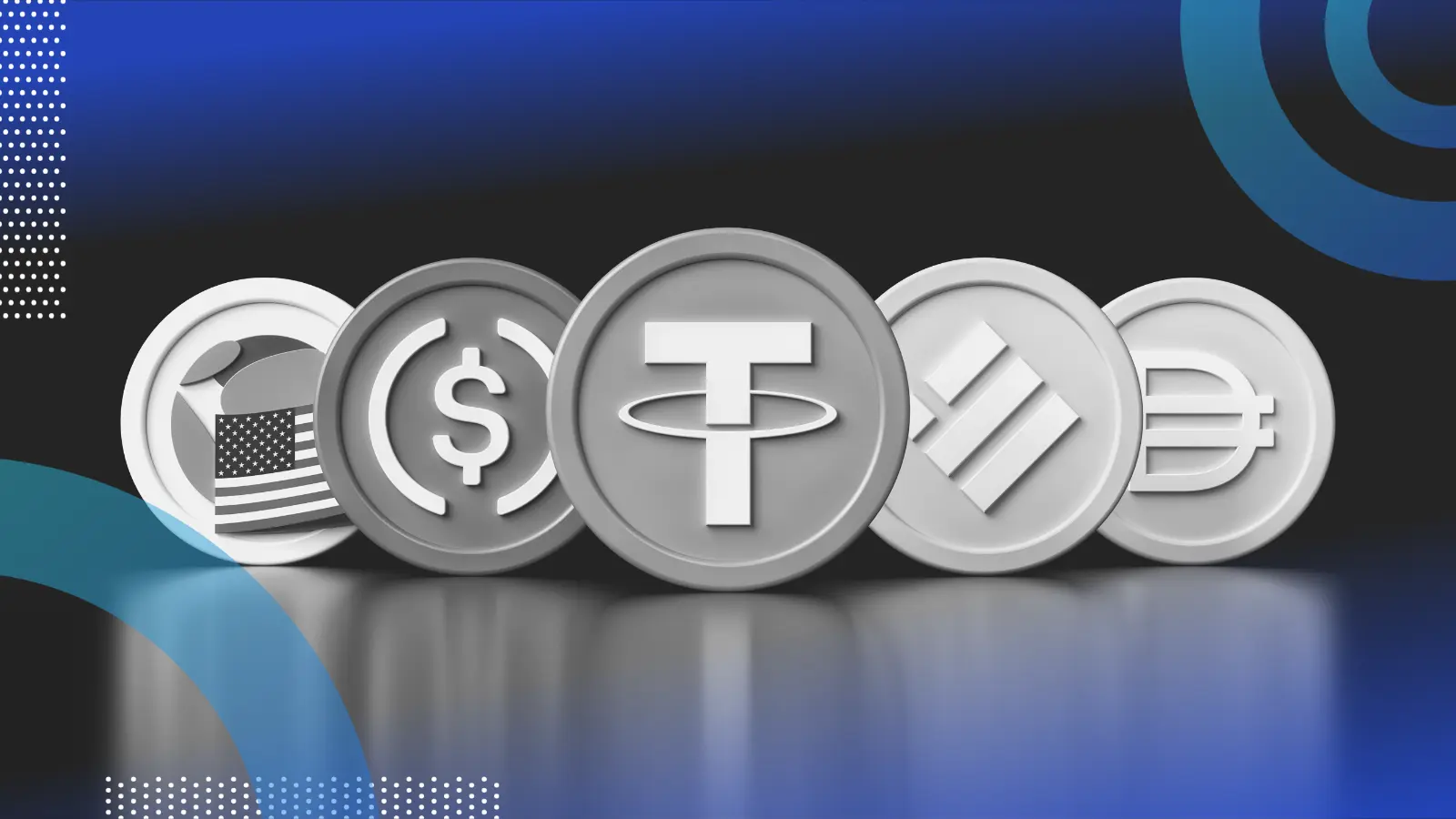
Importantly, these concerns emerge as the total supply of dollar-pegged stablecoins exceeds $300 billion. Tether’s USDT and Circle’s USDC dominate the market, controlling a large share of global circulation. Consequently, regulators see this concentration as a point of vulnerability within the broader financial system.
According to BIS General Manager Pablo Hernandez de Cos, stablecoins display features similar to exchange-traded funds. He highlighted price inconsistencies and redemption delays as key issues. Moreover, these characteristics can reduce reliability during periods of high demand or stress.
Additionally, de Cos warned that widespread stablecoin use could weaken monetary policy effectiveness. As users shift away from traditional bank deposits, central banks may face challenges managing liquidity. Besides, sudden redemption waves could trigger instability across interconnected markets.
Also Read: Former Ripple CTO Warns $290M DeFi Hack Exposes Critical Bridge Risks
Global coordination gains urgency as stablecoin adoption expands
At the same time, the BIS has emphasized the need for coordinated international regulation. According to de Cos, inconsistent frameworks across regions may lead to regulatory gaps. Consequently, companies could exploit these differences, increasing systemic risk exposure. Meanwhile, stablecoin adoption continues to rise across real-world use cases. A recent survey conducted with Coinbase and BVNK showed that many users already rely on these assets. Furthermore, a significant number of respondents plan to increase their stablecoin holdings in the near future.
We're back on X.
— 36Crypto (@36Crypto1) August 21, 2026
Our previous account (36crypto2) is currently unavailable while we continue working through the appeal process. In the meantime, this is our new official account. While you are on this page, please support us by sharing and following.
Freelancers and online sellers have also integrated stablecoins into their income streams. The study indicated that a notable share of their earnings comes from such payments. However, policymakers are also debating currency dominance within the market. European officials have raised concerns about the limited role of euro-backed stablecoins. As a result, they are encouraging local financial institutions to expand offerings in this area.
Industry leaders continue to explore alternatives beyond dollar-linked tokens. Circle CEO Jeremy Allaire recently pointed to the potential for yuan-based stablecoins. Nevertheless, regulatory restrictions in China currently limit such developments. Global attention on stablecoins continues to intensify as the market expands. While adoption grows across industries, regulators remain focused on addressing risks tied to concentration, stability, and policy impact.
Also Read: Coinbase Expands $5M Crypto Loan Service to UK With Instant USDC Access
