

Key Takeaway:
- Ripple CTO David Schwartz argued that banning XRP sports advertisements violates First Amendment protections for lawful commercial speech, citing Supreme rulings.
- The University of Kansas partnership with Ripple sparked criticism over cryptocurrency promotions across college athletics, while Garlinghouse called the collaboration meaningful.
- Schwartz maintained that legal products deserve equal advertising rights under constitutional protections, while XRP sponsorship remained legally protected commercial speech principles.
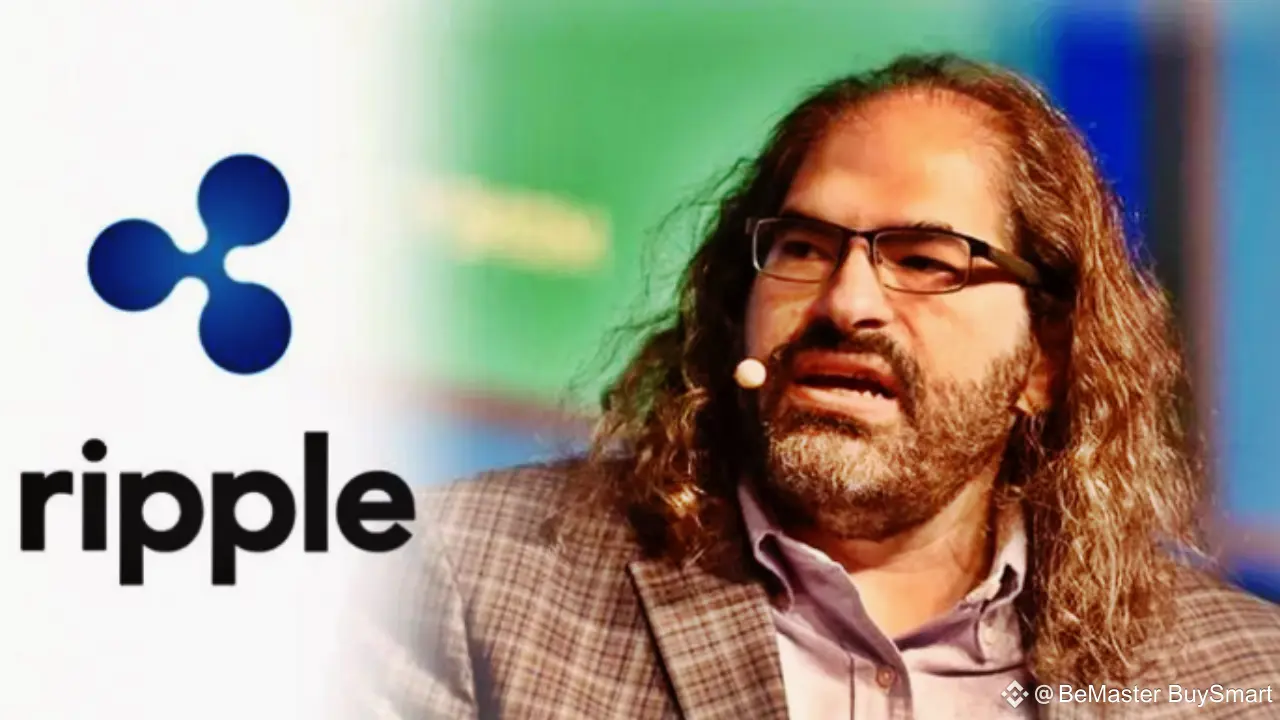
Ripple CTO Emeritus David Schwartz has argued that banning XRP sports advertisements would violate the U.S. Constitution, responding to criticism surrounding Ripple’s partnership with the University of Kansas athletics program.
According to Schwartz, the First Amendment protects truthful commercial speech involving lawful products, making restrictions on XRP advertising difficult to justify. The debate began after the University of Kansas introduced uniforms displaying the XRP logo through its partnership with Ripple.
While many welcomed the sponsorship, others argued that cryptocurrency promotions should receive the same treatment as gambling, alcohol, and tobacco advertising. However, Schwartz rejected those comparisons and said the legal issue extends beyond digital assets. Instead, he maintained that constitutional protections apply equally to lawful commercial speech regardless of the industry involved.
Schwartz Cites Supreme Court Rulings
According to Schwartz, governments cannot prohibit truthful advertising simply because they regulate a particular product. He explained that businesses retain the right to promote legal goods under the First Amendment, even when those products generate public debate.
Moreover, Schwartz noted that Western governments generally do not ban advertising for lawful businesses on college campuses. He argued that if consumers may legally purchase a product, companies should also retain the right to market it.
We're back on X.
— 36Crypto (@36Crypto1) August 21, 2026
Our previous account (36crypto2) is currently unavailable while we continue working through the appeal process. In the meantime, this is our new official account. While you are on this page, please support us by sharing and following.
Also Read: Alert: XRP Is Experiencing Heavy Withdrawals From Major Platforms – Details
To support his position, Schwartz referenced 44 Liquormart v. Rhode Island, where the U.S. Supreme Court struck down restrictions on alcohol advertising. Additionally, he cited Greater New Orleans Broadcasting Association v. United States, which strengthened constitutional protections for casino advertising.
Furthermore, Schwartz said those rulings reinforce a consistent legal principle. Governments cannot suppress truthful commercial speech simply because officials disapprove of lawful consumer choices.
Rather than debating cryptocurrency itself, Schwartz framed the controversy as a constitutional matter. According to him, the same legal standards protecting other lawful industries should also apply to digital assets.
The United States has the First Amendment. If you want to restrict or can speech, you need to find some exception it fits into. I don’t think there is one here. See the cases I cited including one involving liquor and one involving gambling.
— David ‘JoelKatz’ Schwartz (@JoelKatz) July 14, 2026
Kansas Partnership Sparks Online Criticism
Ripple’s partnership with the University of Kansas attracted widespread reactions across social media. The agreement placed the XRP logo on Kansas Jayhawks athletic uniforms, making Ripple one of the university’s visible commercial partners.
Ripple CEO Brad Garlinghouse, a University of Kansas alumnus, described the partnership as a meaningful milestone. Nevertheless, critics argued that universities should avoid promoting cryptocurrencies because students could interpret such sponsorships as endorsements.
Supporters disagreed and pointed out that cryptocurrency remains a lawful industry operating within existing regulatory frameworks. Consequently, they argued that banning advertisements based solely on the product category raises broader legal concerns.
According to Schwartz, any restriction would require compelling constitutional justification rather than public disagreement with digital assets. He maintained that lawful products deserve the same commercial speech protections already recognized by U.S. courts.
Commercial Speech Remains the Central Issue
Schwartz emphasized that the legal status of XRP remains central to his argument. He stated that if XRP is legally recognized as a commodity, prohibiting its advertising could amount to unconstitutional censorship instead of legitimate regulation.
His comments shifted the conversation away from cryptocurrency marketing and toward established constitutional principles governing commercial speech. As a result, the debate has expanded beyond Ripple’s university sponsorship into a wider discussion about the limits of government authority over lawful advertising.
Conclusion
The criticism surrounding Ripple’s University of Kansas partnership has evolved into a broader constitutional debate over commercial speech. Schwartz maintains that banning XRP sports advertisements would conflict with First Amendment protections, arguing that lawful digital assets should receive the same advertising rights as other legal products under U.S. law.
Also Read: XRP Eyes New Target After Reclaiming $1.08 Resistance – Here’s What Comes Next
