

What to know:
- Stuart Alderoty said 67 million Americans own cryptocurrency, urging lawmakers to recognize the industry’s growing political influence through clearer regulation.
- National Cryptocurrency Association data showed women and working-class Americans increasingly adopting digital assets while adding 12 million new holders annually.
- A Politico poll found mixed support for the CLARITY Act, while Alderoty argued that clearer rules would strengthen consumer protections and innovation.
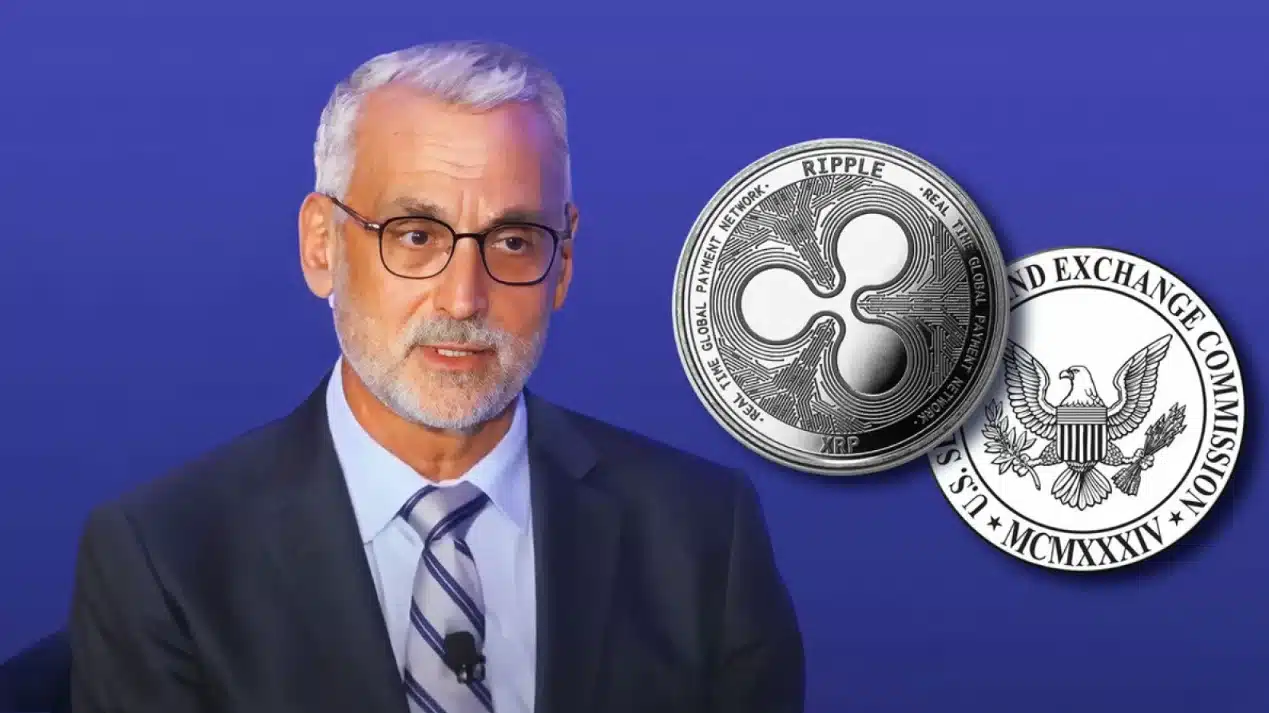
Ripple executive and National Cryptocurrency Association President Stuart Alderoty has urged U.S. lawmakers to recognize cryptocurrency holders as a significant voting bloc instead of treating them as a fringe movement.
According to a statement he shared on X, 67 million American adults now own digital assets, underscoring the industry’s growing influence across the country. His comments came as debate surrounding the CLARITY Act intensified following a recent Politico poll.
While only 27% of respondents expressed support for the proposed legislation, Alderoty argued that the figure reflects the percentage of Americans who already own cryptocurrency rather than weak public interest.
According to Alderoty, one in four American adults now holds digital assets. He said that the level of adoption places the crypto community among the country’s largest constituencies and deserves greater attention from federal lawmakers.
Alderoty also highlighted the industry’s continued expansion over the past year. Data from the National Cryptocurrency Association showed that approximately 12 million Americans became crypto holders during that period, increasing the sector’s reach across the United States.
We're back on X.
— 36Crypto (@36Crypto1) August 21, 2026
Our previous account (36crypto2) is currently unavailable while we continue working through the appeal process. In the meantime, this is our new official account. While you are on this page, please support us by sharing and following.
Also Read: Bitwise CEO Says Bitcoin Wants Higher Prices as Strategy Sale Fails to Shake Market
Crypto ownership spreads across broader demographics
Alderoty challenged the long-standing perception that cryptocurrency mainly attracts wealthy technology professionals and speculative investors. Instead, he pointed to data showing broader participation across different income groups and occupations.
Women now account for 42% of all new cryptocurrency holders. Additionally, nearly one-quarter of holders earn less than $75,000 annually, reflecting growing adoption among middle and working-class Americans.
Construction and manufacturing employees now represent more than 21% of all cryptocurrency holders. Moreover, the latest figures indicate that digital assets continue attracting users from industries traditionally viewed as outside the technology sector.
Alderoty also noted that more Americans now own cryptocurrency than own dogs. He argued that such numbers demonstrate the industry’s growing presence in everyday financial life rather than within a limited investment community.
CLARITY Act debate continues
The Politico survey also found that 45% of Americans still view cryptocurrency as risky. However, Alderoty maintained that concerns about investment risk should not be interpreted as opposition to digital assets or regulatory reform.
He argued that the CLARITY Act does not require lawmakers to endorse any specific cryptocurrency or blockchain project. Instead, the proposal seeks to establish clearer consumer protections while providing greater regulatory certainty for the digital asset industry.
Supporters of the legislation believe a defined legal framework could encourage responsible innovation while improving protections for consumers and businesses. Meanwhile, lawmakers continue weighing different approaches to regulating the rapidly growing sector.
Alderoty’s latest remarks reinforce the argument that cryptocurrency has become a mainstream financial issue in the United States. As digital asset ownership expands across demographics and professions, he maintains that Congress should reflect that reality when considering future crypto legislation.
Also Read: BonkDAO Confirms $20M Treasury Exploit as Stolen BONK Moves to Exchanges
