

What to know:
- Bitcoin Depot halted operations while regulators tightened crypto ATM compliance requirements globally.
- Cybersecurity breaches and falling revenue deepened Bitcoin Depot’s worsening financial troubles significantly.
- Rising enforcement actions now threaten broader crypto ATM businesses across the United States.
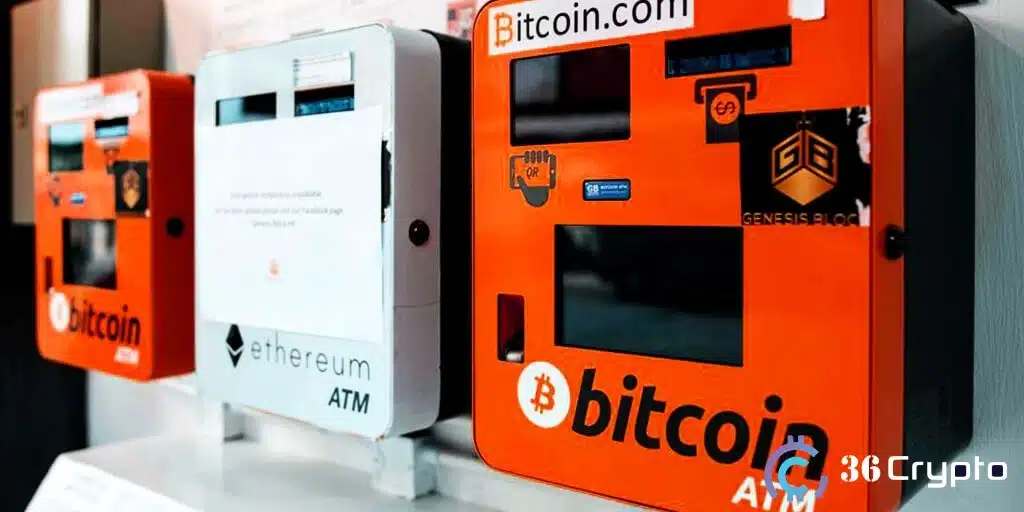
Bitcoin Depot has filed for Chapter 11 bankruptcy protection in the Southern District of Texas, bringing an abrupt halt to one of the largest crypto ATM networks in North America. The Nasdaq-listed company confirmed that it has already taken its bitcoin ATMs offline while preparing an orderly wind-down of operations and asset sales.
According to the company’s press release, stricter regulations across multiple US states created mounting pressure on bitcoin ATM operators. Management explained that growing compliance costs, transaction limits, and enforcement actions weakened the company’s financial position over recent months.
Chief Executive Officer Alex Holmes stated that several jurisdictions introduced tighter operating restrictions, while others moved toward outright bans targeting crypto ATM businesses. Consequently, Bitcoin Depot determined that its current operating model could no longer remain sustainable under existing regulatory conditions.
Founded in 2016, Bitcoin Depot expanded aggressively during the crypto market boom and eventually operated more than 9,000 Bitcoin ATMs globally. The company allowed users to convert cash into bitcoin through kiosk-based transactions across the United States, Canada, and other international markets. Besides shutting down US operations, Bitcoin Depot also confirmed that its overseas entities, including Canadian operations, will close during the restructuring process.
Also Read: Ripple’s Embedment Into DTCC’s $4 Quadrillion System Could Send XRP Over $10: AI Founder
Financial Losses and Security Problems Accelerated the Collapse
Bitcoin Depot’s bankruptcy arrived months after the company began facing deeper operational problems. Earlier in March 2026, the firm replaced senior leadership and appointed Holmes as CEO following the suspension of its money transmission license in Connecticut.
We're back on X.
— 36Crypto (@36Crypto1) August 21, 2026
Our previous account (36crypto2) is currently unavailable while we continue working through the appeal process. In the meantime, this is our new official account. While you are on this page, please support us by sharing and following.
At the time, management warned investors that tightening regulations could reduce annual revenue between 30% and 40% during 2026. Moreover, the company acknowledged that several states introduced stricter compliance standards targeting crypto ATM operators specifically.
Operational setbacks intensified in April when Bitcoin Depot disclosed a cybersecurity breach involving its internal systems. The incident reportedly resulted in approximately $3.7 million being stolen from company-controlled crypto wallets, adding further pressure to its balance sheet.
Additionally, Bitcoin Depot delayed the release of its first-quarter 2026 earnings because of accounting concerns tied to cash-in-transit reconciliation. The company disclosed a material weakness in its internal reporting controls and required additional time to finalize financial statements.
Preliminary unaudited results showed that first-quarter revenue declined 49.2% compared with the previous year. Furthermore, Bitcoin Depot recorded a net loss of $9.5 million during the quarter, reversing the $12.2 million profit reported one year earlier.
Despite the bankruptcy filing, company shares closed 5.4% higher Friday at $2.93. However, the stock has remained down nearly 80% during the past six months, reflecting weakening investor confidence surrounding the company’s future.
Bitcoin Depot Collapse Signals Wider Pressure on Crypto ATM Industry
Bitcoin Depot’s shutdown reflects the growing regulatory pressure surrounding crypto ATM businesses across the United States. Regulators have increasingly targeted kiosk operators over compliance concerns tied to fraud prevention, transaction monitoring, and money transmission rules.
Consequently, several operators now face rising operational costs alongside declining profitability. Bitcoin Depot’s collapse now highlights how regulatory tightening and financial instability continue to reshape the broader crypto ATM industry.
Also Read: Verus Bridge Hack Drains $11.5M in Ethereum Assets Through Exploit Attack
